Your Journey to Lasting Spinal Wellness
Nearly everyone experiences back pain at some point. Whether it’s a dull ache after a long day at a desk or a sharp twinge from an old injury, spinal discomfort is one of the most common health challenges people face.
At West Buffalo Chiropractic, Dr. Francisco Vaquero, D.C., believes that pain is not your normal. His mission is to listen to each patient’s unique story, understand their specific health challenges, and provide care tailored to their body, lifestyle, and goals.
This article serves as a personalized roadmap to spinal health. Rather than offering generic advice, it guides you through the steps of understanding your condition, exploring treatment options, and building daily habits that support lasting wellness.
The approach at West Buffalo Chiropractic goes beyond symptoms. By assessing posture, movement patterns, and overall function, Dr. Vaquero and his team aim to restore mobility, reduce pain, and give each patient the tools they need to live better.
Spinal health is a journey, not a destination. With the right support and a plan built around your individual needs, lasting relief and improved quality of life are within reach.
What Exactly Is West Buffalo Chiropractic?
 West Buffalo Chiropractic is a comprehensive clinic at 455 Niagara St., Buffalo, NY, led by Dr. Francisco Vaquero, D.C. With over two decades of experience, Dr. Vaquero uses techniques such as Gonstead, Diversified, and Chiropractic Biophysics to improve spinal alignment and nerve function. His philosophy focuses on listening to each patient, understanding their unique health challenges, and delivering care that restores function and reduces pain.
The clinic offers a full spectrum of services beyond standard adjustments: spinal decompression (a non-surgical therapy that relieves pressure on discs and nerves), soft tissue therapy, rehabilitation, and ultrasound therapy. This range allows the team to treat everything from herniated discs and migraines to chronic back pain and auto injuries. Each patient receives a personalized treatment plan that goes beyond symptoms to address lifestyle, posture, and movement patterns as part of the clinic's whole-person approach.
Flexible financing is available through CareCredit, enabling patients to start care immediately with a simple application process that does not affect credit scores for checking eligibility. Online appointment booking is also available for convenience. Whether you are dealing with a sports injury, recovering from an auto accident, or managing chronic pain, West Buffalo Chiropractic aims to help you break free from pain and return to the activities that matter most.
| Service | Description | Common Uses |
|---|---|---|
| Spinal Adjustments | Hands-on manipulation to realign joints and improve motion | Lower back pain, neck pain, headaches |
| Spinal Decompression | Gentle traction to relieve disc and nerve pressure | Herniated discs, sciatica, chronic back pain |
| Soft Tissue Therapy | Massage, trigger point, and myofascial release | Muscle tension, injury recovery, improved circulation |
| Rehabilitation Therapy | Targeted exercises and stretches | Posture correction, core strengthening, mobility |
| Ultrasound Therapy | Sound waves to reduce inflammation and promote healing | Soft tissue injuries, joint pain, chronic conditions |
| Auto & Sports Injury Care | Specialized treatment for trauma and overuse | Whiplash, sprains, sports rehabilitation |
Your First Visit: From Consultation to Custom Plan
 Your first chiropractic visit typically lasts 30 to 60 minutes. This initial investment of time allows for a thorough evaluation, which is the foundation for a personalized treatment plan. The process begins with a detailed discussion of your health history, including past injuries, lifestyle, stress levels, diet, and sleep habits. You will also be asked about any specific symptoms like numbness, tingling, or weakness, as this information is critical for your safety and effective treatment.
Following the consultation, the chiropractor performs a physical exam to assess spinal mobility, alignment, and muscle function. Depending on your condition, diagnostic imaging such as X-rays, a CT scan, or an MRI may be ordered to get a clear picture of your spine's structure. This comprehensive assessment allows Dr. Vaquero to identify the root cause of your pain and set realistic goals for your recovery. At West Buffalo Chiropractic, this collaborative process ensures that the treatment plan is built around your specific needs and lifestyle.
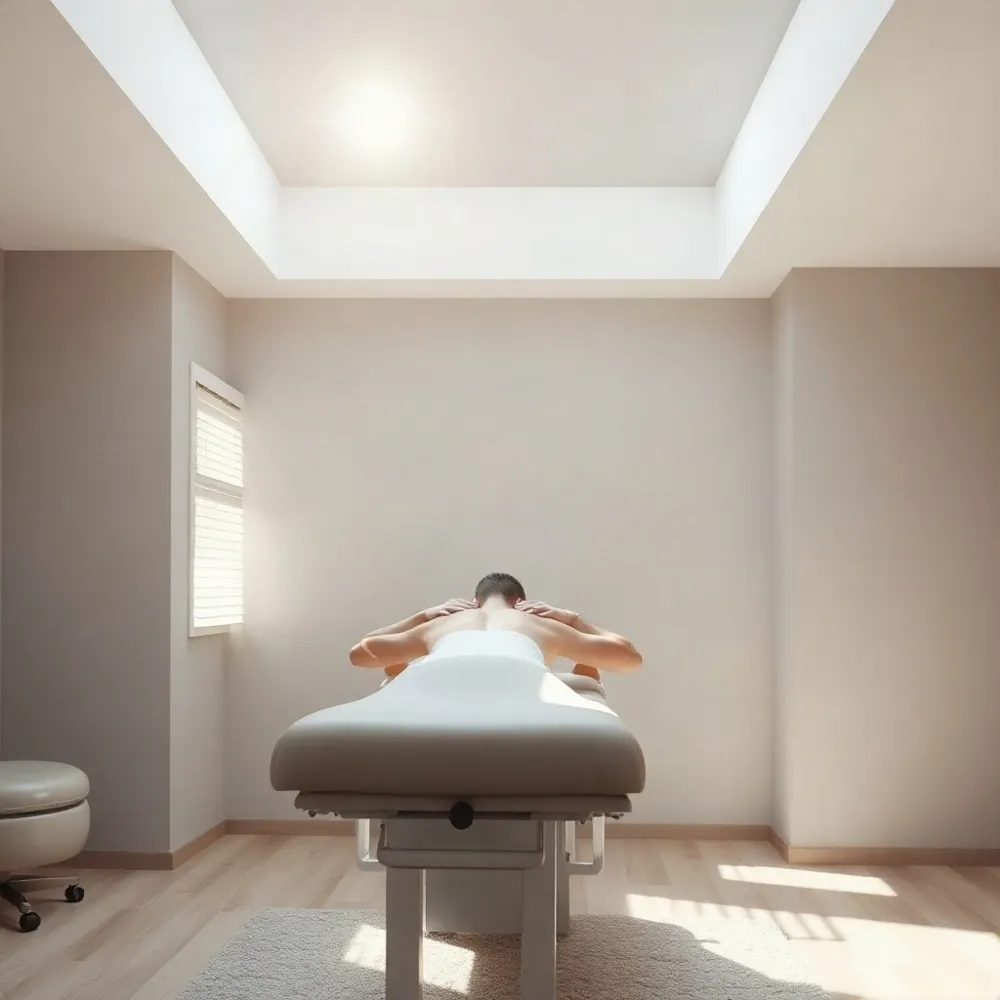
The actual chiropractic adjustment (or spinal manipulation) is a controlled procedure. You lie face down on a padded table, and the chiropractor uses their hands or a small instrument to apply a quick, precise force to a specific joint. The popping sound you may hear is simply gas being released from the joint, similar to cracking your knuckles, and is generally not painful.
Cost is a common concern. Nationally, an initial consultation and exam averages around $152, with follow-up visits averaging $76. New patient specials can reduce this significantly. At West Buffalo Chiropractic, we work to make care accessible by accepting most major insurance plans and offering flexible financing through CareCredit, allowing you to start care immediately and pay over time.
Can Chiropractic Fix Your Spine Problems?
Chiropractic care is designed to treat a wide range of spine-related conditions, but its effectiveness depends on the nature of the problem. Research supports spinal manipulation for relieving acute low-back pain and improving function, making it a strong first-line option for many people.
Chiropractors treat conditions affecting the nervous and musculoskeletal systems, including lower back pain, neck pain, headaches, sciatica, arthritis, and injuries like whiplash. At West Buffalo Chiropractic, Dr. Francisco Vaquero combines precise spinal adjustments with non-surgical therapies such as spinal decompression and soft tissue therapy to address these issues. For many patients, chiropractic care serves as an effective, non-opioid alternative to surgery or medication.
Chiropractic care is not recommended for everyone. The Mayo Clinic advises against it for individuals with severe osteoporosis, bone fractures, bone infections, or severe nerve compression with numbness or weakness in the arms or legs. A thorough screening during the first visit helps determine if chiropractic adjustment is a safe fit. When a condition requires care beyond chiropractic, Dr. Vaquero can refer patients to physical therapists, spine surgeons, or other specialists to ensure they receive the right treatment.
Benefits, Risks and Side Effects You Should Know
Chiropractic care offers a wide range of benefits for patients seeking relief without medication. It effectively addresses back pain, neck pain, and headaches, improves joint mobility, and aids recovery from auto and sports injuries. Treatments like spinal adjustments can help manage chronic conditions such as arthritis and sciatica. For patients who prefer to avoid prescription drugs, chiropractic adjustments are the most common alternative treatment option in the United States.
Common Temporary Side Effects
After an adjustment, some patients experience mild, short-lived symptoms as their body adapts to a new alignment. The Mayo Clinic notes that minor side effects like local soreness, stiffness, fatigue, or a mild headache can occur for a few days. The popping sound heard during treatment is simply gas (oxygen, nitrogen, carbon dioxide) being released from the joint, similar to cracking knuckles. Feeling tired afterward is normal — it indicates the nervous system is recalibrating and the body is clearing built-up metabolic waste.
Rare but Serious Risks
Serious complications from chiropractic adjustments are extremely rare, occurring in only a fraction of a percent of all manipulations. However, potential risks include a herniated disk, nerve compression in the lower spine (cauda equina syndrome), or a type of stroke following neck manipulation. These risks increase significantly if adjustments are performed by an unlicensed individual. Chiropractic adjustment is not recommended for people with severe osteoporosis, spinal cancer, or an increased risk of stroke.
Red Flags: When to Seek Medical Attention
Certain symptoms signal a need for immediate medical evaluation rather than a spinal adjustment. Warning signs include progressive weakness in an arm or leg, numbness in the saddle area, loss of bowel or bladder control, or severe back pain accompanied by fever. If any unusual symptoms like weakness, numbness, or worsening pain occur after an adjustment, contact a healthcare provider immediately.
At West Buffalo Chiropractic, Dr. Francisco Vaquero emphasizes patient safety through thorough initial screenings. During the first visit, the team discusses medical history and performs a physical exam to identify any pre-existing conditions that might make chiropractic care unsafe. This careful approach ensures that treatment is applied only when it is the appropriate and safe choice for each patient.
Daily Habits and Exercises to Support Your Spine
Building a strong core is one of the most effective ways to protect your lower back. Experts recommend a routine known as the "big three" — the curl-up, the side plank, and the bird-dog — which engage all the core muscles at once to improve spine stability and reduce pressure on the low back, as Harvard Health notes. A simple starting sequence is five repetitions of each exercise, then three, then one, performed two or three days per week.
Regular low-impact activities like walking, swimming, or cycling improve circulation, strengthen the muscles that support the spine, and reduce pressure on spinal discs. Always include a 5 to 10 minute warm-up before exercise to prepare your muscles, and a cool-down of the same length afterward to reduce stiffness.
Posture, Ergonomics, and Lifting
Good posture means keeping a neutral spine — chin up, shoulders back — which distributes weight evenly across the vertebrae and reduces disc pressure. At a desk, position your screen at eye level and use a chair that supports your lower back. Stand and stretch every 30 minutes to relieve pressure from prolonged sitting. When you lift anything heavy, bend your knees, keep your back straight, and use your leg muscles to do the work.
Hydration, Nutrition, and Supplements
Spinal discs act as shock absorbers and need water to stay pliable; aim for at least 8 cups of water daily. An anti-inflammatory diet — including salmon, nuts, olive oil, leafy greens, berries, and turmeric — helps reduce inflammation that can contribute to disc degeneration. Calcium and vitamin D work together to strengthen spinal bones, while magnesium aids bone density and muscle relaxation. Omega-3 fatty acids and collagen also support the connective tissues and reduce nerve irritation.
| Focus Area | Key Habits | Examples / Sources |
|---|---|---|
| Core strength | Exercises for spine stability | Curl-ups, side planks, bird-dog |
| Activity | Low-impact movement + warm-up/cool-down | Walking, swimming, cycling; 5–10 min each |
| Posture | Neutral spine, ergonomic workspace | Screen at eye level, stands & stretches every 30 min |
| Lifting | Proper body mechanics | Bend knees, keep back straight, use legs |
| Hydration | Maintain disc pliability | At least 8 cups of water daily |
| Nutrition | Anti-inflammatory diet | Salmon, nuts, olive oil, leafy greens, berries, turmeric |
| Supplements | Bone & tissue support | Calcium, vitamin D, magnesium, omega-3s, collagen, phosphorus |
Dr. Francisco Vaquero at West Buffalo Chiropractic can help you integrate these daily habits into a personalized plan that addresses your specific needs, lifestyle, and goals.
Sleep, Stress and Lifestyle: The Whole-Person Connection
 The habits you carry out at night and the way you manage daily stress directly affect your spine's health and recovery. Sleep posture, stress levels, and lifestyle choices can either support or undermine the work done during chiropractic adjustments.
Optimizing Sleep for Spinal Alignment
How you sleep matters. Sleeping on your back or side supports the spine's natural curves, reducing pressure on discs. Stomach sleeping forces the neck into a twisted position and should be avoided. A firm mattress helps distribute body weight evenly; back sleepers can place a pillow under their knees, and side sleepers can place one between their knees to keep the pelvis aligned.
Managing Stress and Muscle Tension
Chronic stress triggers cortisol release, which increases inflammation throughout the body. Deep breathing, meditation, and yoga can lower cortisol levels and ease muscle tension that contributes to back pain. Therapeutic massage also helps by reducing muscle tightness and improving circulation. These tension-relieving strategies align with West Buffalo Chiropractic's whole-person approach, which assesses lifestyle factors alongside spinal health to tailor care.
Lifestyle Factors That Affect Spinal Tissues
Smoking and vaping deprive spinal tissues of oxygen and nutrients, accelerating disc degeneration. Smokers are nearly 50% more likely to need spinal surgery than non-smokers. For acute injuries, ice therapy within the first 24 to 48 hours reduces swelling; heat therapy later promotes blood flow and relaxes tense muscles. Regular foam rolling improves flexibility and reduces muscle soreness. For those over 50 or with risk factors, a baseline bone density assessment (DXA scan) can detect osteoporosis early and prevent spinal fractures.
Beyond Adjustments: The Full Spectrum of Care at Your Clinic
Spinal adjustments are the centerpiece of chiropractic care, but a comprehensive clinic like West Buffalo Chiropractic offers far more. The range of treatments available allows patients to address pain, dysfunction, and recovery from multiple angles — rather than relying on manipulation alone.
Non-Surgical Disc Relief: Spinal Decompression Therapy
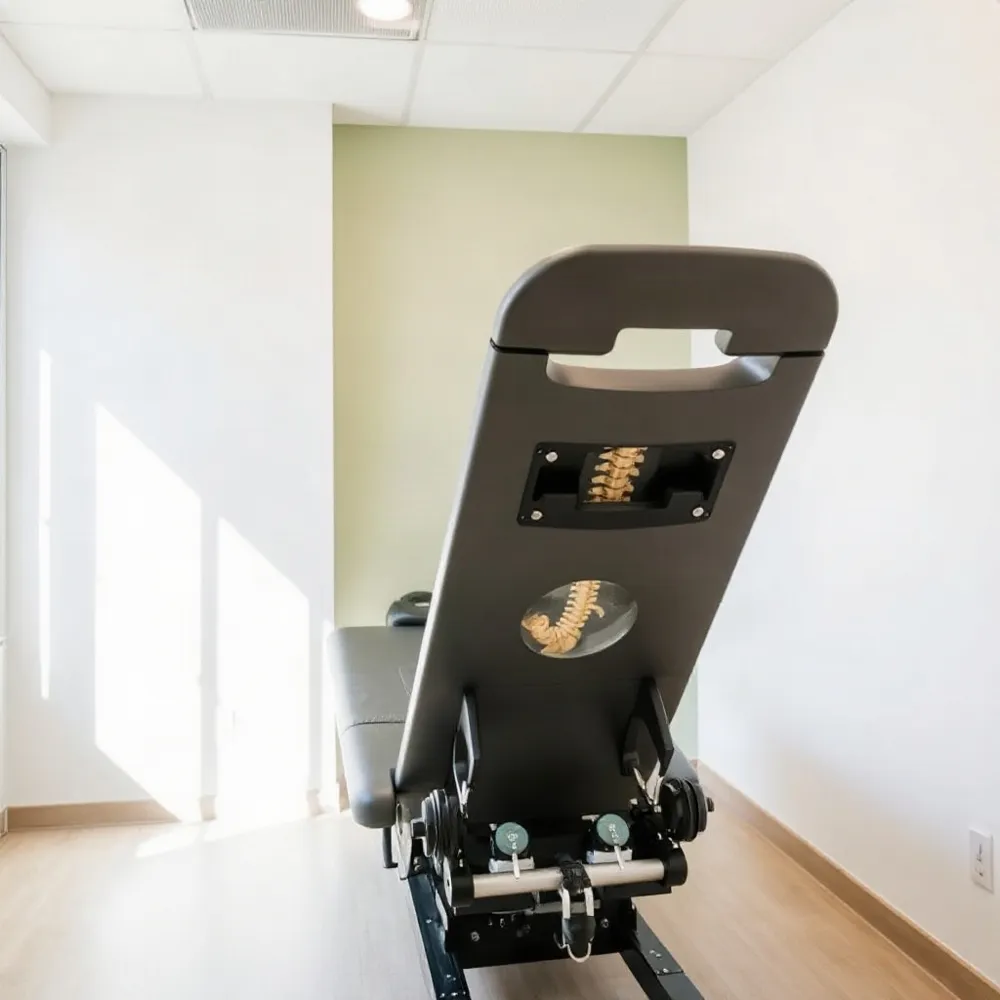
Though often associated with surgery, the term "decompression" can also describe a gentle, non-invasive mechanical therapy. Spinal decompression therapy uses a traction table to gently stretch the spine, creating negative pressure within the discs. This can help relieve pressure on compressed discs and nerves, addressing one of the most common sources of chronic back pain.
Soft Tissue Therapy and Instrument-Assisted Adjustments
Pain and stiffness aren't limited to the vertebrae. Soft tissue therapy — which includes massage, trigger point therapy, and myofascial release — targets tight, painful muscles and ligaments that support the spine. For patients who prefer a lighter touch, some chiropractors use a device called the Activator Adjusting Instrument, which delivers a quick, low-force impulse to the spine. This approach can be as effective as a manual adjustment while offering a gentler experience.
Supportive Modalities and Collaborative Care
Ultrasound therapy. Uses sound waves to reduce inflammation, improve blood flow, and promote tissue repair. The heat generated by the sound waves can help relax tense muscles.
Electrical stimulation (E-Stim). Applies mild electrical pulses to the skin near the affected area. It can relieve pain, reduce muscle spasms, and gently stimulate healing.
Cold laser therapy (LLLT). A low-level laser applied directly to the skin, penetrating deep tissue to stimulate cellular repair and reduce inflammation without heat.
Chiropractors often work alongside other healthcare providers. If a condition requires more specialized care, they may refer patients to a physical therapist, a physiatrist, or a spine surgeon. At West Buffalo Chiropractic, Dr. Francisco Vaquero takes a collaborative, whole-person approach — assessing lifestyle, posture, movement, and overall function to address the root cause of pain.
Education and At-Home Care
The care you receive in the clinic is only half the story. Chiropractors invest time in teaching patients about proper posture, ergonomic setups at work and home, and lifting mechanics to prevent future injuries. Many also offer guidance on nutrition and stress management — since anti-inflammatory foods, hydration, and relaxation techniques all affect recovery.
After a visit, patients may receive "homework" — exercises, stretches, or self-care routines like icy/heat therapy. One commonly prescribed set of exercises is the "big three" (curl-up, side plank, and bird-dog) developed by spine biomechanics expert Dr. Stuart McGill and shared by Harvard Health. These movements stabilize the core from all sides, reducing the load on the lower back over the long term.
Your Personalized Roadmap: Putting It All Together
The most effective path to spinal health is one built around your specific body, lifestyle, and goals. At West Buffalo Chiropractic, Dr. Francisco Vaquero designs each treatment plan to address the root cause of pain, not just the symptoms. This starts with a thorough consultation and physical exam that considers your health history, daily activities, and any past injuries, following the approach recommended by Cleveland Clinic for developing a unique treatment plan.
A personalized plan at West Buffalo Chiropractic integrates more than spinal adjustments. It includes targeted exercises, posture education, lifestyle advice, and soft tissue therapy to support long-term recovery. For example, the clinic may combine spinal decompression therapy for disc issues with core-strengthening exercises recommended by Harvard Health to stabilize the lower back.
Recovery goals are set in realistic, achievable steps. Treatment frequency is flexible — starting with several short sessions per week and tapering as you improve, a pattern supported by MedlinePlus. For many patients, conservative chiropractic care resolves back pain without the need for injections or surgery, as research from Duke Health shows that spinal manipulation is often enough.
The long-term focus is on maintenance and prevention. West Buffalo Chiropractic empowers patients with at-home exercises, ergonomic tips, and stress management techniques so you can stay active and pain-free. Contact the clinic today to start your personalized roadmap and take the first step toward lasting relief.
Start Your Path to a Pain-Free Life Today
The personalized roadmap to lasting spinal health begins with recognizing that persistent pain is not something you have to live with. At West Buffalo Chiropractic, led by Dr. Francisco Vaquero, the approach starts with a thorough consultation to understand your medical history, lifestyle, and specific pain points. From there, a custom plan is built that addresses the root causes, not just the symptoms.
This whole-person care model integrates spinal adjustments, soft tissue therapy, rehabilitation exercises, and lifestyle guidance to restore function and reduce discomfort. Dr. Vaquero's philosophy is simple and direct: "Pain Isn't Your Normal. Let's Change That." This belief drives every treatment plan, helping patients move better, feel stronger, and return to the activities that matter most.
Taking the first step is straightforward. West Buffalo Chiropractic offers flexible financing through CareCredit and accepts most major insurance plans, making high-quality care accessible. An initial appointment can be booked online or by calling (716) 248-2825. At the first visit, you will receive a full consultation, a personalized exam, and a clear explanation of your condition and next steps.
No one should have to accept chronic pain as a permanent part of life. With the right guidance, targeted care, and a commitment to small daily habits, real change is possible. Your journey to a pain-free, active life starts with a single appointment.