The Power of Personalized Healing Strategies
Moving away from standard treatment models toward individualized recovery plans is a significant shift in modern care. While generic protocols often fail by attempting a one-size-fits-all solution, personalized strategies address the root cause of an injury rather than masking symptoms. This approach ensures that interventions reflect the patient's specific health history, physical capabilities, and personal recovery goals.
Research highlights that high adherence to tailored exercise plans leads to reduced pain and successful attainment of therapeutic goals. At West Buffalo Chiropractic, this philosophy drives every aspect of our care. Unlike clinics that apply broad templates, Dr. Francisco Vaquero builds each recovery plan through a collaborative process, often integrating specialized spinal decompression, soft tissue therapy, and rehabilitation exercises.
True healing requires more than just passive treatment. Because patient compliance and understanding are vital for long-term recovery, we prioritize open communication and flexible scheduling at www.716chiropractic.com to remove barriers to progress. By matching our manual therapies to your unique anatomy, we provide a sustainable path forward that generic, non-customized programs cannot replicate.
The Core Advantages of Personalized Healthcare Plans
 Moving away from standardized treatment models toward individualized recovery plans represents a shift in modern care. Unlike generalized approaches that focus solely on symptom suppression, a personalized medical strategy identifies the root cause of discomfort to provide lasting relief. At West Buffalo Chiropractic, practitioners prioritize a whole-person assessment that integrates a patient’s medical history, specific health goals, and unique physical capabilities into every stage of the recovery process.
What are the benefits of personalized healthcare plans in chiropractic care?
Personalized healthcare plans in chiropractic care foster higher patient satisfaction by ensuring treatment is tailored to the specific needs of the individual rather than a one-size-fits-all approach. By prioritizing a whole-person perspective, these plans account for unique physical histories, lifestyle factors, and specific clinical goals. This individualized strategy strengthens the clinical interaction, as patients feel heard and valued throughout their recovery journey.
Furthermore, these tailored strategies contribute to better clinical outcomes by directly addressing the physical root causes of pain and dysfunction specific to each patient. According to research on improving patient compliance in chiropractic care, creating patient-specific programs increases engagement and motivation. This level of customization at West Buffalo Chiropractic builds deep trust, as clinical adjustments reflect the evolving progress of the patient rather than static protocols. Regular re-evaluations ensure that every intervention remains aligned with the patient's changing health status, effectively bridging the gap between initial diagnosis and long-term functional recovery.
Integrating Spinal Decompression for Herniated Discs
 Spinal decompression therapy offers a non-surgical approach to managing discomfort by utilizing controlled traction to gently stretch the spine. This mechanical process creates negative pressure within the spinal discs, which helps facilitate the retraction of herniated material and reduces significant compression on nerves. By improving the flow of essential nutrients and oxygen to damaged tissues, this technique addresses the physical root causes of pain rather than relying on masking symptoms.
Can spinal decompression therapy effectively treat a herniated disc? Yes, this intervention is a recognized treatment option for herniated discs. It is particularly effective for many patients with mild or moderate spinal conditions, though it is often utilized as part of a broader, integrative approach. At www.716chiropractic.com, we evaluate your unique spinal health and specific physical capabilities to determine if spinal decompression fits within your personalized care plan.
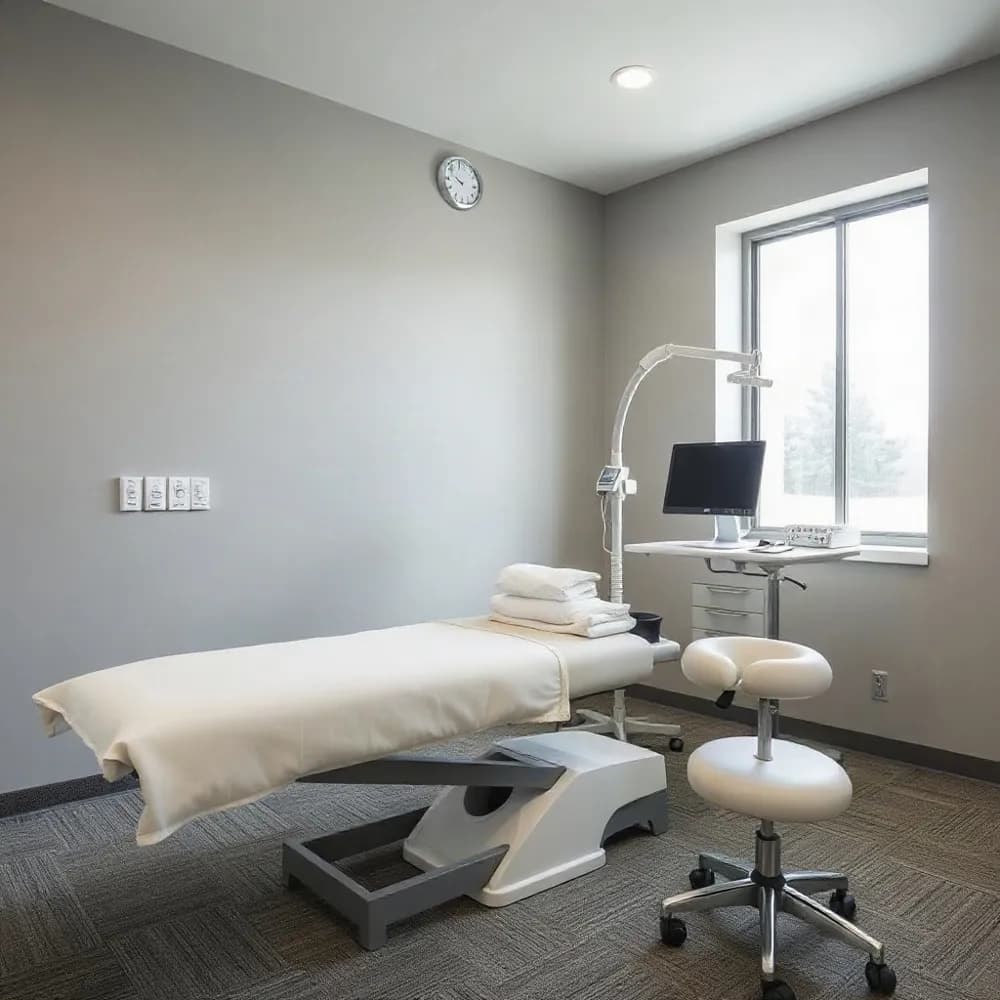
Modern clinical environments often employ advanced, computer-controlled systems to ensure the safety and precision of each session. These devices allow clinicians to adjust the precise force and angle of the traction, tailoring the intensity to an individual patient's anatomical needs. By offering this high level of customization, practitioners can maintain a patient's comfort and optimize recovery outcomes throughout the duration of their treatment series.
| Feature | Mechanism | Clinical Purpose |
|---|---|---|
| Negative Pressure | Gentle traction | Disc retraction |
| Computer Control | Feedback loops | Safety adjustments |
| Integrated Care | Multi-modal use | Faster healing |
Navigating the Healing Timeline and Recovery Expectations
 How long is the typical healing process for spinal decompression therapy? It is important to distinguish between non-surgical chiropractic spinal decompression therapy and invasive surgical procedures. At West Buffalo Chiropractic, our non-surgical spinal decompression is a gentle, office-based treatment, and most patients do not require a formal recovery period or downtime, allowing them to resume normal activities shortly after their sessions. While surgical recovery can span several weeks or months, our personalized, non-invasive approach focuses on gradual, steady relief over a series of scheduled treatments. Every patient’s healing timeline is unique, often depending on the specific condition being addressed and their body's response to the therapy. We will work closely with you to monitor your progress and ensure your care plan is tailored to your specific recovery needs.
The Role of Active Participation in Long-Term Health
Achieving lasting results requires more than just showing up for in-office treatments. Research suggests that patient adherence to prescribed home exercises is essential for preventing plateaus and ensuring steady improvements in mobility and pain reduction. By actively participating in your recovery, you shift from a passive recipient of care to an informed partner in your wellness. At West Buffalo Chiropractic, we provide guided rehabilitation plans that empower you to maintain gains between sessions and build a stronger foundation for long-term spinal support.
Ensuring Progress Through Consistent Follow-Up
Consistent communication is vital because recovery is rarely linear. According to clinical standards, regular follow-up evaluations allow providers to monitor progress, identify barriers to healing, and modify your plan as your tissues respond to treatment. These check-ins are not mere status updates; they are opportunities to adjust mechanical forces, change exercise intensities, or introduce new modalities to keep your healing trajectory moving forward. By integrating home exercise into your routine and attending your scheduled evaluations, you protect your investment in health and prevent minor setbacks from impacting your overall success.
Holistic Approaches to Complex Musculoskeletal Issues
Musculoskeletal health often relies on the functional integrity of the entire body rather than isolated joints. A common example is overpronation, where the excessive inward rolling of the foot disrupts the kinetic chain, sending compensatory stress upward into the knees, hips, and lower back. At West Buffalo Chiropractic, practitioners evaluate how foot alignment influences your broader skeletal structure, ensuring that interventions address the root cause of discomfort rather than suppressing symptoms.
Can a chiropractor address musculoskeletal issues like overpronation?
Yes, doctors of chiropractic are well-equipped to manage these complexities through a whole-person diagnostic approach. Treating conditions like overpronation often requires a multimodal strategy. This frequently involves performing specific manual adjustments to the spine and extremities to restore joint mobility and proper alignment. By correcting mechanical imbalances at the base of your structure, West Buffalo Chiropractic helps alleviate the secondary pain patterns that commonly emerge elsewhere in the body.
Beyond manual adjustments, long-term structural stabilization is essential to prevent injury recurrence. Patients may receive custom orthotics, which provide the supportive arc needed to correct gait and maintain healthy alignment during daily activities. This is paired with targeted rehabilitation exercises designed to strengthen the muscles stabilizing the ankle and foot, turning the patient into an active participant in their own recovery process as noted in research on compliance. Providing patients with this education ensures they understand how these daily habits support their structural integrity over time.
Nervous System Regulation and Stress Reduction
Spinal alignment is intimately connected to the autonomic nervous system, which governs involuntary functions like heart rate and digestion. When subluxations or spinal misalignments occur, they can contribute to persistent nervous system interference. This state often traps the body in sympathetic dominance, or a chronic fight-or-flight response, which keeps the body prepared for immediate danger at the expense of long-term recovery and restorative processes.
Can chiropractic care influence physiological stress markers such as cortisol levels?
Yes, research suggests that chiropractic care can influence physiological stress markers, including cortisol levels. By addressing spinal misalignments, chiropractic adjustments held at West Buffalo Chiropractic help reduce physical tension and systemic interference. This mechanical correction shifts the body away from a sympathetic state toward parasympathetic restoration, which is the body's natural state for healing and calm.
This transition facilitates a measurable reduction in cortisol, the body’s primary stress hormone. High levels of circulating cortisol are often associated with systemic inflammation and muscle tension, which often complicate musculoskeletal recovery. At www.716chiropractic.com, managing this stress response is treated as a component of a comprehensive recovery strategy, helping patients move past the physiological impact of chronic anxiety.
Unlike generalized wellness programs that may ignore the neurological components of pain, our approach at West Buffalo Chiropractic ensures the nervous system is optimized to support recovery. Regular adjustments serve as a foundational intervention to mitigate the cumulative effect of daily stressors, eventually allowing the body to sustain internal balance more effectively long after a treatment session concludes.
The Critical Role of Patient Compliance
Patient compliance refers to an individual's commitment to their established care plan, which includes attending scheduled appointments, performing prescribed home exercises, and making necessary lifestyle adjustments. This adherence is vital to the success of chronic pain management as it directly influences disease control and clinical outcomes. When patients consistently follow through with their rehabilitation routines, they often experience reduced pain levels and lower health-related anxiety, per research in the PMC.
At West Buffalo Chiropractic, we recognize that non-compliance can lead to treatment plateaus or even the reversal of previous gains. Common barriers to adherence, such as scheduling difficulties or financial strain, are mitigated through practical solutions. Our team provides CareCredit financing to ensure that every patient can maintain their treatment cadence without interruption.
Motivating long-term recovery
To keep recovery on track, we utilize several motivational tools designed to empower patients as active members of their own care team. Behavioral contracts are effective for outlining responsibilities and setting clear expectations for both the provider and the patient. Furthermore, celebrating milestones through positive reinforcement helps maintain momentum throughout the healing process, as noted by The American Chiropractor.
- Educate patients on the rationale behind specific interventions to foster a deeper understanding of their health journey.
- Use visual aids like computerized printouts or posture scans to make complex health data more accessible.
- Conduct regular follow-up evaluations to adjust treatment strategies based on individual progress.
Navigating Administrative and Financial Hurdles
Managing chiropractic care requires attention to both therapeutic results and the logistical framework supporting them. Administrative complexity often poses a barrier to consistent care, particularly when patients encounter unexpected insurance denials or unclear billing policies. At www.716chiropractic.com, the focus remains on simplifying these processes to prevent disruptions in a patient's recovery journey.
What are common challenges regarding chiropractic reimbursement and billing?
Chiropractic billing remains increasingly complex due to frequent changes in insurance policies and strict medical necessity guidelines. One of the most prevalent challenges is the high rate of claim denials caused by incorrect coding or the omission of mandatory modifiers. Clinics often face hurdles with insurance eligibility verification, as coverage details like visit limits and deductibles fluctuate throughout the plan year. These administrative burdens frequently stall progress, yet at www.716chiropractic.com, clear documentation protocols are used to firmly establish medical necessity and reduce these friction points for patients.
Financial barriers should never dictate the trajectory of a recovery plan. When administrative processes create uncertainty, transparency becomes the most effective antidote. To ensure that treatment plans remain accessible and uninterrupted, www.716chiropractic.com offers flexible financing through CareCredit. This approach allows individuals to prioritize their long-term health outcomes over the immediate pressures of out-of-pocket costs, ensuring that rehabilitation remains consistent and sustainable according to the structured goals established during the initial assessment.
Committing to Your Long-Term Wellness Journey
Achieving lasting musculoskeletal health relies on a strong professional partnership where patients and practitioners collaborate to track recovery milestones. Consistent adherence to a care plan reduces the risk of recovery plateaus, as noted in research regarding the necessity of home-based exercise routines for reaching therapeutic goals.
Success comes from active engagement, which includes attending every scheduled appointment and maintaining transparent communication with your provider. At West Buffalo Chiropractic, we prioritize building this trust through empathy and active listening, which helps foster the compliance necessary to turn clinical plans into sustainable, everyday health improvements.
You do not need to navigate complex pain management alone. Visit www.716chiropractic.com to book your personalized assessment today and begin the transition toward a more mobile, pain-free life.