Recovery Begins With the Right Movement
A sports injury can affect muscles, tendons, ligaments, bones, or joints, and the right rehabilitation depends on what was injured and how severely. Strains, sprains, fractures, and other injuries may need different care, so a general exercise routine is not a safe substitute for assessment and guidance from a qualified health professional. Cleveland Clinic’s overview of sports injuries explains why treatment varies with the injury.
Symptoms, healing progress, and the demands of an athlete’s activity all shape exercise choice and progression. A rehabilitation plan may aim to restore movement and strength while protecting healing tissue, then build toward sport-related tasks. Research on sports injury rehabilitation emphasizes individualized, gradual progression rather than one protocol for every athlete.
At West Buffalo Chiropractic in Buffalo, care can include rehabilitation alongside services such as soft tissue therapy and spinal adjustments, with the approach tailored to the person’s needs. The sections ahead explain how rehabilitation is commonly organized, what exercise categories may contribute, and how to stay active and progress toward sport without rushing recovery.
Understanding Sports Injuries
 Sports injuries affect different tissues, so the same symptoms can have different causes. A sprain stretches or tears a ligament, which connects bones at a joint. A strain affects a muscle or tendon, the tissue that connects muscle to bone. Cleveland Clinic’s overview of sports injuries also describes fractures, tendinitis, bursitis, and dislocations.
A fracture is a break in a bone. Stress fractures can develop gradually from repeated loading, while other fractures may follow a sudden impact. Repetitive irritation can also contribute to tendinitis. Bruises, which involve damage to soft tissue, and bursitis, or irritation of a cushioning sac near a joint, may also occur. A dislocation happens when bones move out of their normal joint position. Blows to the head or body can cause a concussion, which needs appropriate medical assessment.
Some injuries happen suddenly; others build over time through repeated stress. Their cause, location, and severity all shape the rehabilitation approach. At West Buffalo Chiropractic, care includes assessment and services such as rehabilitation and soft tissue therapy, with treatment guided by the person’s needs rather than a one-size-fits-all routine.
Seek professional assessment for persistent or severe pain, marked swelling, visible deformity, or difficulty moving or bearing weight. These signs may need more than exercise guidance. West Buffalo Chiropractic also provides specialized care for sports injuries, helping patients discuss symptoms and suitable next steps with a clinician.
What Rehabilitation Is Designed to Do
Sports injury rehabilitation is a personalized process that aims to restore movement, strength, flexibility, and everyday function while supporting a safe return to activity. The plan depends on the injured tissue, the person’s symptoms, and the physical demands of their sport. A review of sports rehabilitation describes individualized care and functional progress as central principles, rather than one routine for every athlete (sports injury rehabilitation review).
Care may involve a physician and physical therapist, with other professionals included when needed. A team can assess the injury, monitor progress, and adjust activity as healing continues. At West Buffalo Chiropractic, care may include an assessment of musculoskeletal function, spinal adjustments, soft tissue therapy, and therapeutic exercises tailored to the person’s needs.
These approaches may help address mobility, flexibility, strength, and movement patterns that place extra strain on an injured area. Exercises should be selected and progressed with guidance, since loading too much or too soon can irritate healing tissue. A review of rehabilitation principles emphasizes balancing appropriate activity with protection and monitoring the tissue’s response (individualized rehabilitation guidance.
Chiropractic care can be one part of recovery, not a substitute for medical assessment or treatment when an injury needs it. West Buffalo Chiropractic provides care for sports injuries and can recommend referral for further evaluation when appropriate. Persistent or severe symptoms, or an injury that limits movement or weight-bearing, warrant assessment by a qualified healthcare professional.
How Rehabilitation Progresses
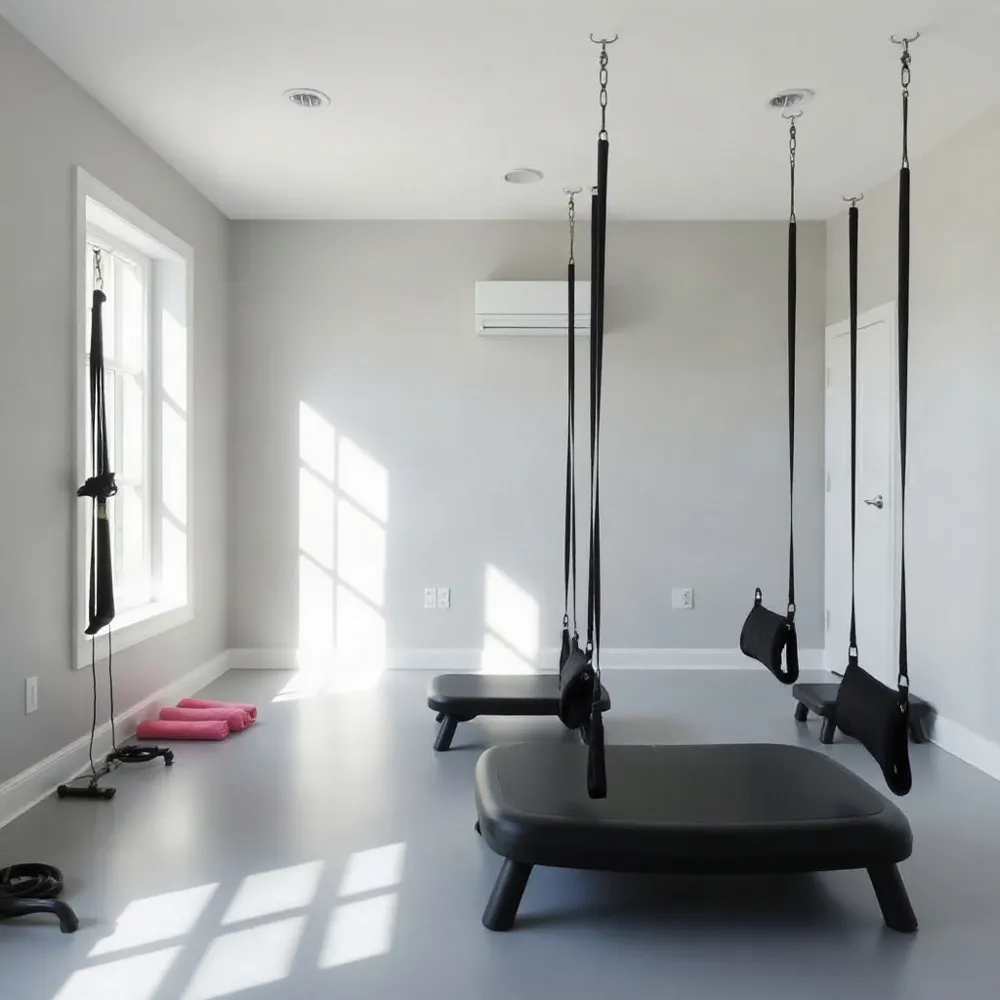 Rehabilitation often moves through four broad stages, but they are a framework rather than a fixed timetable. The pace depends on the injury, how healing is going, the person’s symptoms, and guidance from a qualified health professional. A review of sports injury rehabilitation describes progression based on functional progress and tissue response, not simply the time passed since injury (rehabilitation principles.
Protection and symptom management
Early care protects the injured area while pain and swelling are managed. Protection does not always mean complete inactivity. When appropriate, carefully guided movement or loading can support recovery, while placing too much stress on healing tissue may cause irritation or set progress back. At West Buffalo Chiropractic, care may include rehabilitation alongside services such as soft tissue therapy, with the approach tailored to the person’s needs.
Restore movement and physical capacity
As symptoms allow, the focus shifts to comfortable movement and rebuilding flexibility, strength, and endurance. Exercise selection should match the injury and the person’s tolerance rather than follow a universal routine. A clinician can help decide when to progress and which activities are appropriate; Cleveland Clinic’s sports injury guidance also emphasizes provider guidance when restarting movement.
Build toward sport-specific demands
Later rehabilitation may add balance, coordination, and functional movements that reflect the demands of the person’s sport. West Buffalo Chiropractic offers rehabilitation as part of its broader chiropractic care, allowing exercise and other treatment to be considered together. If pain or swelling increases, the plan may need to pause or return to an earlier stage before progressing again.
Return gradually
The final stage is a gradual return to sport, rather than an immediate jump to full participation. Progress should reflect the ability to perform relevant movements and meet appropriate strength goals without worsening symptoms. A health professional can help guide the transition and adjust activity as recovery continues.
Exercise Categories and Their Purpose
Rehabilitation exercises serve different purposes, and a plan may combine several categories as recovery progresses. Activation work helps keep selected muscles engaged, while mobility exercises and stretching address how freely a joint or muscle can move. Strengthening gradually builds the capacity to manage everyday and sport-related demands.
Core stability exercises target trunk control, while balance and coordination work train the body to manage position and movement. These areas can be relevant to rehabilitation, but they are not interchangeable or automatically needed for every injury. The exercise choice depends on the affected area, symptoms, healing status, and the activity a person hopes to resume. Rehabilitation resources commonly organize exercises around areas such as the knee, ankle, thigh, wrist, and shoulder, but that does not make one routine suitable for everyone.
Plyometric exercises, including jumping, hopping, and bounding, place greater demands on the body and are generally considered in later stages, when appropriate. They are not a starting point simply because an athlete wants to return quickly. A review of sports-injury rehabilitation supports individualized, criteria-based progression rather than a single protocol for every athlete (sports injury rehabilitation review.
At West Buffalo Chiropractic, rehabilitation is among the clinic’s services, alongside personalized care such as soft tissue therapy. Exercise examples are categories, not a prescription: a clinician should guide the choice, amount, and progression of movement for the specific injury. Cleveland Clinic also advises that a provider can help determine when to begin movement and a physical therapist may create a customized exercise plan (sports injury guidance).
Keeping Active Without Overloading
Recovery does not always mean stopping every form of exercise. When a clinician considers it safe, maintaining conditioning in uninjured areas may help limit deconditioning while the injured tissue heals. The right balance depends on the injury and should protect, rather than challenge, the affected area.
Depending on the injury and individual circumstances, lower-impact options such as swimming, biking, yoga, or walking may help a person stay active. These activities are not automatically suitable for everyone: even gentle movement can place stress on a healing joint or muscle. A clinician can help decide what is appropriate and how to modify it.
Training can sometimes shift to an unaffected area. For example, a person recovering from a knee injury might work the upper body while the lower body heals, if a clinician approves. At West Buffalo Chiropractic, care may include rehabilitation and soft tissue therapy, with activity choices considered in the context of the person’s injury and recovery.
Running, jumping, abrupt changes of direction, and other high-impact movements may aggravate some injuries. Do not push through worsening pain, swelling, or other symptoms; pause and ask a qualified healthcare professional whether the plan needs to change. Cleveland Clinic’s sports injury guidance notes that rehabilitation and activity should be matched to the injury rather than treated as one routine for everyone.
There is no single schedule for staying active during recovery. Progress depends on the injury’s severity and how the person responds over time, so an activity that is manageable one day may need adjusting later. West Buffalo Chiropractic’s personalized approach can account for those differences without assuming a fixed timeline.
A Gradual Return to Sport
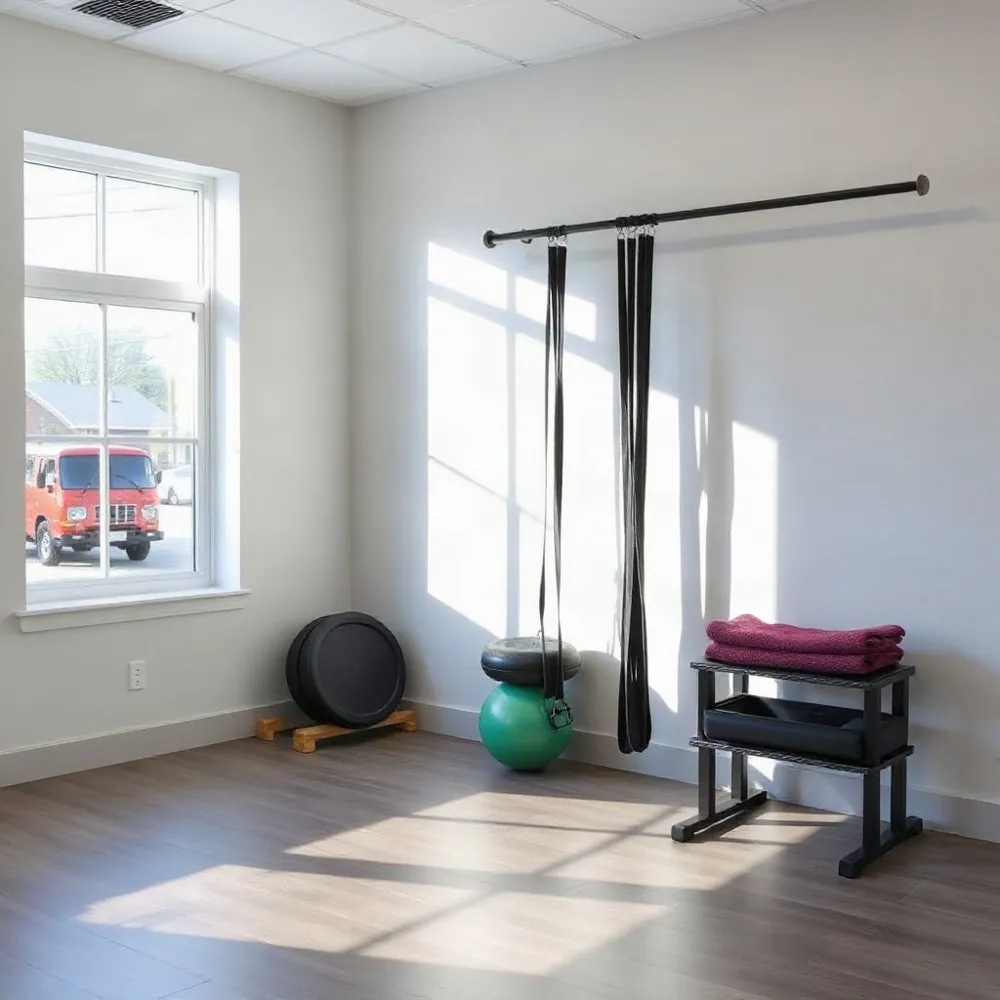 Returning to sport is a progression, not a single clearance point. Athletes typically move from rehabilitation to lower-intensity training, then sport-specific movements, practice, and eventually competition. The stages should reflect how the injury responds, rather than a fixed timetable.
Before activity increases, a qualified healthcare professional should assess healing, symptoms, range of motion, strength, and function. Pain and swelling should be minimal, and the person should be able to manage the demands of the next stage. West Buffalo Chiropractic provides personalized care that may include rehabilitation and soft tissue therapy, with treatment guided by the individual’s needs.
Progress gradually and monitor for pain, stiffness, or swelling during and after activity. If symptoms return or worsen, stop advancing and seek guidance rather than trying to train through them. Pain-masking medication should not be used to make continued activity seem safe. A clinician can adjust the plan to the injury and the athlete’s goals.
Functional tests can help assess readiness for sport-specific demands. Depending on the activity, assessment may include balance, strength, jumping, agility, or controlled changes of direction. The sports injury return-to-play guidance from UT Southwestern describes using functional tests and physical milestones to guide progression. The appropriate criteria vary by athlete, injury, and sport.
Return decisions should also account for confidence and readiness, not just physical measures. A review of rehabilitation principles emphasizes individualized, criteria-based progression and consideration of both physical and psychological readiness (sports injury rehabilitation review. West Buffalo Chiropractic’s whole-person approach considers recovery in the context of each person’s activity and function, while a qualified provider can help determine when more demanding exercise is appropriate.
Rebuilding Confidence Alongside Fitness
Physical progress does not always erase the worry of getting hurt again. Fear of reinjury, hesitation, or concern about performing below a previous level can affect an athlete’s readiness to return, so recovery should account for mental as well as physical demands. A review of sports injury rehabilitation emphasizes assessing psychological readiness alongside physical function before return to sport (sports injury rehabilitation review.
Confidence can grow through a gradual plan guided by a qualified healthcare professional. Set small, realistic goals, such as moving comfortably, practicing basic skills, and then building toward competition. Notice each step forward rather than treating full participation as the only sign of progress.
Visualization, positive self-talk, and a consistent pre-activity routine may help an athlete feel more focused, but they are not guaranteed treatments. At West Buffalo Chiropractic, care can include rehabilitation and guidance tailored to sports injuries, with progress considered in the context of the individual’s symptoms and activity goals.
Persistent pain, uncertainty about a movement, or anxiety about returning deserves a conversation with a qualified healthcare professional. A sports mental health specialist may also help address ongoing fear or hesitation. Guidance from the care team can help an athlete decide when to maintain, adjust, or advance activity without rushing the process.
Progress Carefully and Seek Guidance
Rehabilitation works best when exercises and progress are matched to the injury, the person, and the demands of their sport. A routine that suits one athlete may not suit another, so seek guidance from a qualified healthcare professional about symptoms, safe exercises, and when to advance. At West Buffalo Chiropractic, care can include personalized rehabilitation and soft tissue therapy alongside other services.
Progress should reflect both physical recovery and confidence, not pressure to return quickly. If pain or swelling worsens, ask your provider to reassess the plan. Sports injury rehabilitation guidance emphasizes individualized progression and functional assessment, helping athletes work toward activity without rushing healing.