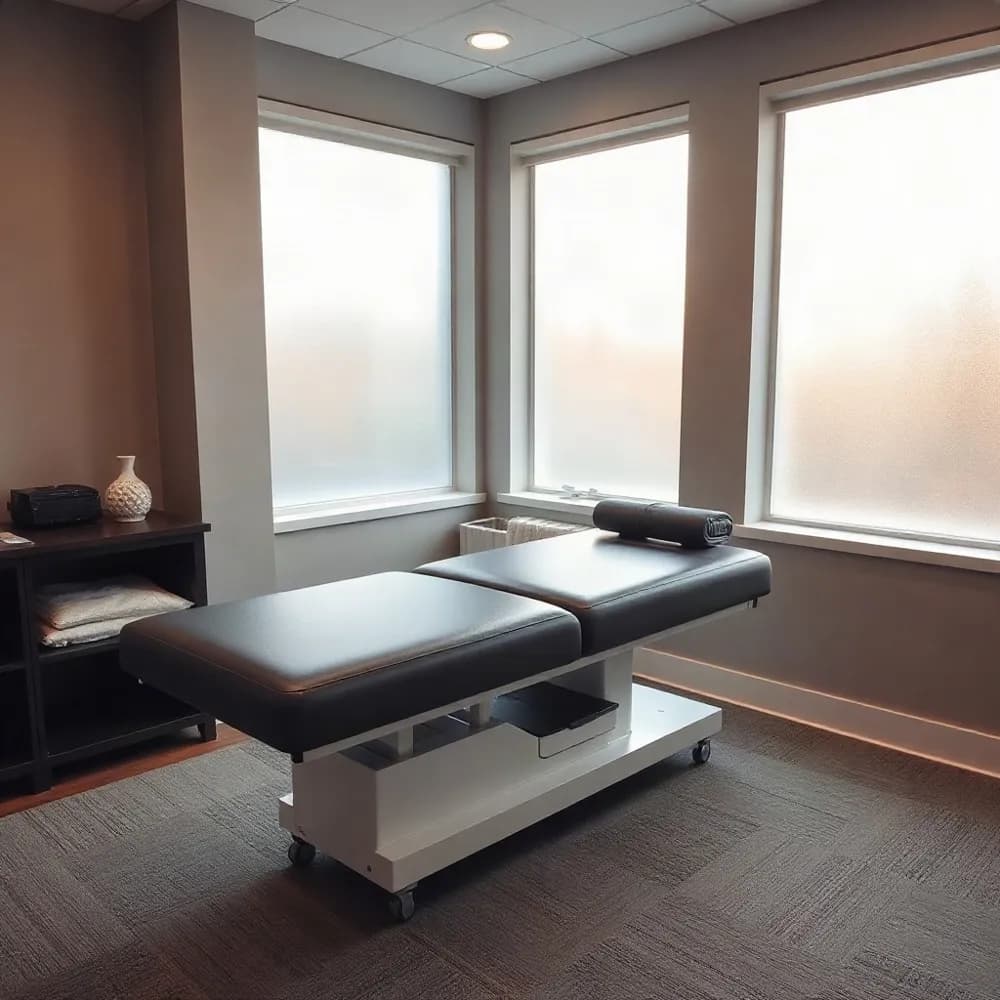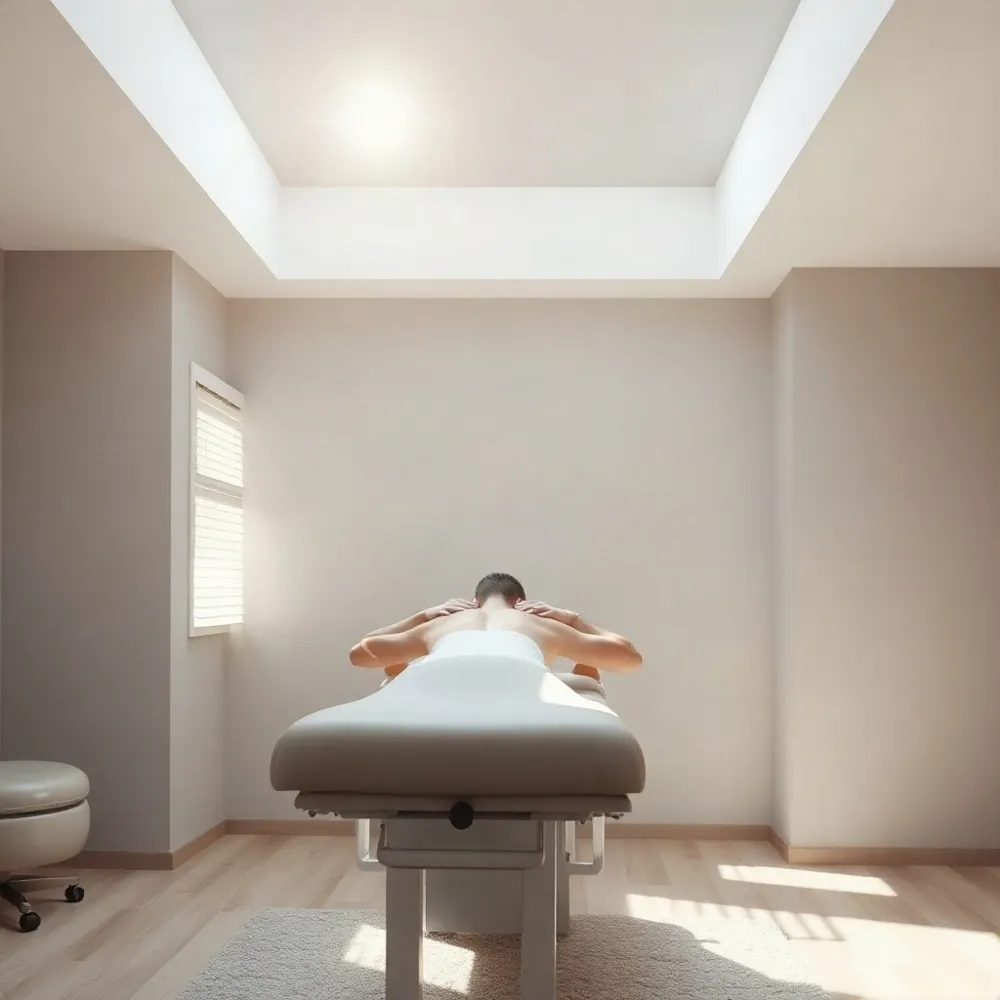
The Pelvic Foundation of Spinal Stability
The human pelvis serves as a critical junction, balancing the weight of the trunk while anchoring the lower extremities. Because the pelvis and lumbar spine share complex anatomical ties, including nerves, ligaments, and deep muscle groups, any slight misalignment at this base can manifest as stiffness or chronic discomfort in the lower back. According to researchers, the pelvic floor is often described as the bottom of the core because these muscles must act in synergy with your abdominals to stabilize the spine and manage internal abdominal pressure.
When the pelvis tilts out of its neutral alignment, it forces the lumbar spine to compensate, often leading to unnatural curves and increased mechanical stress. Studies indicate that pelvic-tilt imbalance is frequently associated with greater disability and limited hip rotation. At West Buffalo Chiropractic, we address these postural issues by performing detailed physical assessments that evaluate the entire lumbo-pelvic complex rather than focusing on a single point of pain.
Neglecting pelvic health directly compromises your daily movement, as even simple tasks like standing or sitting become difficult when the pelvic floor muscles fail to coordinate properly. Many patients find that standard back pain treatments provide only temporary relief because they fail to address these underlying foundational shifts. Our team utilizes chiropractic adjustments alongside targeted corrective exercises to restore proper alignment and ensure the core system functions as a cohesive unit, ultimately moving you away from repetitive strain and toward long-term stability.
Can chiropractic care help realign a tilted or misaligned pelvis?
 Effective management of a tilted or misaligned pelvis begins with identifying the root cause of the shift. Because the pelvis serves as the vital foundation of your spine, even subtle misalignments can lead to chronic pain, restricted hip mobility, and compensatory stress throughout the musculoskeletal system. At West Buffalo Chiropractic, Dr. Francisco Vaquero utilizes precise physical assessments to determine the nature of the imbalance before developing a recovery path.
- Visual analysis and inclinometer measurements to confirm the pelvic angle.
- Manual assessments to identify tension in the glutes, hamstrings, and hip flexors.
- Diagnostic screening for associated lumbar or sacroiliac joint discomfort.
Chiropractic care addresses these issues through targeted spinal manipulative therapy, often involving gentle adjustments to restore symmetry to the pelvic structure. These manual adjustments help relieve pressure on the surrounding muscles, nerves, and joints, which significantly improves overall function. If a patient is seeking a less forceful approach, alternative mobilization techniques can provide similar benefits without the use of high-velocity thrusts.
Restoring balance is a collaborative process that extends beyond the clinic. Experts at West Buffalo Chiropractic emphasize that consistent care includes teaching patients how to break old postural habits. By combining clinical adjustments with corrective exercise routines, individuals can retrain their bodies to maintain proper alignment naturally. This proactive strategy prevents the long-term postural abnormalities that commonly exacerbate lower back pain and limit daily physical activity.
Exploring the Link Between Pelvic Alignment and Back Pain
The human pelvis acts as a vital bridge between the trunk and lower extremities, meaning its position deeply influences overall spinal stability. Clinical research confirms that imbalances in pelvic tilt are often significantly associated with higher scores on the Oswestry Disability Index, suggesting that those with pelvic deviations frequently experience greater functional limitations. When the pelvis tips too far forward or backward, it alters the natural curvature of the spine, placing unnatural stress on the lumbar vertebrae.
Much of this instability stems from our modern lifestyle. Prolonged sitting is a primary driver of pelvic tilt, as it weakens the glutes and abdominals while shortening the hip flexors. Because these muscles serve as the foundation for the core, their imbalance forces the lower back to compensate, which eventually manifests as chronic pain. At West Buffalo Chiropractic, we understand that treating the spine in isolation is rarely enough. By addressing these muscle imbalances alongside the pelvis, we help patients restore the necessary strength for long-term mobility.
Adopting a whole-person approach is essential for accurate assessment. A 2018 study revealed that roughly 95% of individuals reporting lumbopelvic pain also exhibited signs of pelvic floor dysfunction, proving that the source of agony is rarely just one structural point. While clinical practice guidelines frequently recommend spinal manipulative therapy for non-specific pain, this is most effective when integrated with patient education and corrective exercises. Our team at West Buffalo Chiropractic focuses on evaluating your unique biomechanics, ensuring our care plans move beyond temporary relief to address the root of your discomfort.
Recognizing Symptoms of Anterior Pelvic Tilt
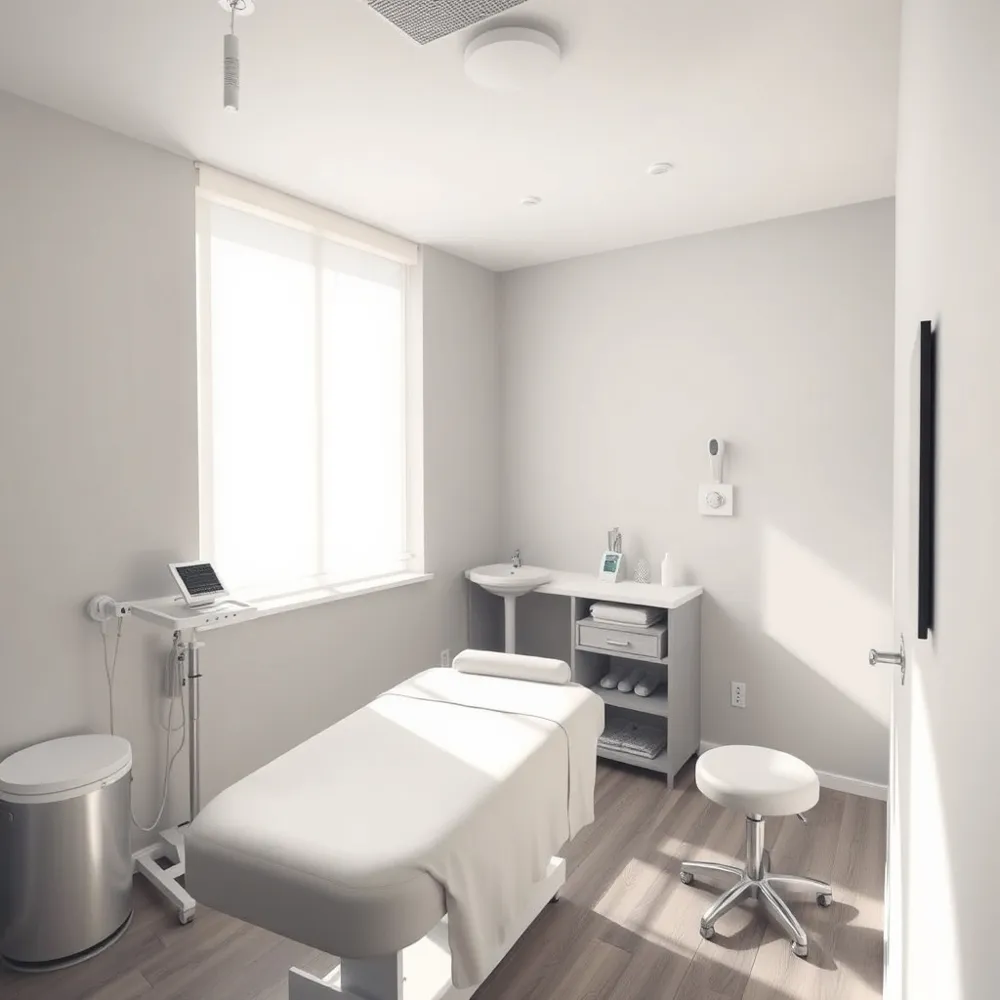 Anterior pelvic tilt describes a postural condition where the pelvis rotates forward, pulling the lower back into an exaggerated inward curve called hyperlordosis. When the pelvis tips downward toward the toes, the gluteal muscles often become underactive while the hip flexors tighten, forcing the lumbar spine to bear unnatural stress. This misalignment frequently results in localized muscular fatigue and mechanical strain.
What are the common symptoms of anterior pelvic tilt?
The most frequent indicators include persistent lower back pain caused by the structural shift in the lumbar vertebrae. Beyond spinal discomfort, individuals often notice an arched back with the buttocks tilting outward. Over time, this imbalance weakens core and gluteal stability, as the muscles struggle to hold the hips in a neutral position. Chronic sitting further exacerbates these patterns by shortening the hip flexors, which may require soft tissue therapy or focused rehabilitation.
At West Buffalo Chiropractic, we help patients identify these imbalances through physical assessment and measurements of the pelvic angle. Because pelvic tilt often masks itself as generic back pain, our diagnostic approach looks past localized surface discomfort to address the root mechanical issues. If you notice persistent pain that disrupts your daily routine, our team uses specialized chiropractic adjustments combined with corrective exercises to restore proper alignment. This approach allows the muscles to recover their natural length and tone, reducing the reliance on compensatory movements that perpetuate chronic tension.
Gynecological Factors and Pelvic Discomfort in Women
Women possess a unique pelvic anatomy, featuring a wider pelvis and smaller sacroiliac joints than men, which changes how upper body weight transfers to the lower extremities Back Pain in Women: Causes and Prevention. Because of this design, the lumbar muscles must work harder to provide stability, making the region particularly susceptible to both musculoskeletal and gynecological stressors. While many patients visit our office at www.716chiropractic.com expecting a simple spinal alignment issue, we frequently evaluate women whose pain is actually a complex manifestation of internal pelvic distress.
What are some gynecological or non-skeletal causes of lower back and pelvic pain in females?
Lower back and pelvic pain in women can often be attributed to gynecological or non-skeletal factors rather than traditional spinal misalignment. Conditions like endometriosis and adenomyosis, where uterine-like tissue grows outside or within the uterine wall, are frequent triggers that cause referred pain to the back Back Pain in Women: Causes and Prevention. Other common gynecological causes include hormonal fluctuations leading to severe menstrual cramps, as well as ovarian cysts that may press on surrounding pelvic structures. Furthermore, infections such as pelvic inflammatory disease can cause persistent inflammation that manifests as discomfort extending to the lower back and thighs. Because these nerves share pathways with the back, the brain may misidentify pelvic distress as a localized musculoskeletal issue.
The musculoskeletal pain resulting from these conditions is often multifactorial. Even if a specific gynecological issue is medically addressed, patients at www.716chiropractic.com often find that lingering postural adaptations and muscle imbalances require professional rehabilitation. Our whole-person approach helps identify when discomfort is purely spinal versus when it might require a gynecological screening to ensure that soft-tissue tension is not masking an underlying systemic condition. If you experience urinary leakage, pelvic heaviness, or pain during intercourse alongside your back discomfort, these are key indicators that your pain may require a specialized assessment beyond traditional manual adjustments alone The overlap between back pain and pelvic floor dysfunction.
Integrative Chiropractic Strategies for Pelvic Floor Dysfunction
 Effective management of pelvic floor dysfunction requires a comprehensive, multi-faceted approach that extends beyond simple exercises to restore proper pelvic mechanics. Because the pelvic floor muscles act as the bottom of the core and help stabilize the spine, dysfunction in this area often requires specialized clinical intervention The overlap between back pain and pelvic floor dysfunction.
What approach does a chiropractor take to address pelvic floor dysfunction and pain?
Chiropractors at West Buffalo Chiropractic address these issues by diagnosing the root cause of lumbosacral misalignment. We utilize high-velocity, low-amplitude spinal adjustments, often considered a frontline, non-invasive intervention for managing non-specific spine pain, alongside soft tissue techniques like myofascial release to reduce the muscle tension that frequently triggers referred pain.
Beyond manual therapy, restoring long-term health involves functional rehabilitation. This includes diaphragmatic belly breathing, which helps patients improve abdominal muscle control and manage internal trunk pressure. As research indicates, 95% of individuals with lumbopelvic pain also display signs of pelvic floor dysfunction, making our integrated strategy essential for realigning the lumbo-pelvic complex.
At West Buffalo Chiropractic, we supplement these adjustments with therapeutic ultrasound and personalized corrective exercise routines, such as those that fortify core activation without overwhelming the pelvic floor. While some clinics focus solely on symptom management, our approach mimics the clinical standards used by multidisciplinary teams to ensure patients achieve both structural alignment and enhanced neuromuscular coordination, providing a clear path to relief that passive treatments often lack.
Setting Expectations for Correction Timelines
The time required to correct a pelvic tilt varies significantly, as it depends on the severity of the misalignment, the duration of the condition, and your individual adherence to a prescribed treatment plan. Because pelvic tilt is often rooted in long-standing muscle imbalances and poor postural habits, treatment typically involves a combination of consistent spinal adjustments and targeted rehabilitation exercises. While some patients may notice initial relief after a few sessions, meaningful, long-term correction generally requires a dedicated series of visits to retrain the body.
How long does it typically take to correct a pelvic tilt using chiropractic care?
A personalized assessment at West Buffalo Chiropractic allows us to identify the specific nature of your tilt and estimate a timeline that fits your health goals. Our whole-person approach ensures we are not just addressing the symptoms, but also the structural imbalances needed for lasting postural improvement.
Recovery success is heavily influenced by your commitment to home-care routines. Much like how Clinical Effectiveness and Efficacy of Chiropractic Spinal Manipulative Therapy research emphasizes that multimodal care yields superior results, our practice combines manual adjustments with personalized exercises that you must perform consistently. Patients who engage in daily stretching and active postural habits typically stabilize their alignment faster than those relying solely on passive care. By addressing muscle tension and joint mobility through consistent effort, you create the necessary environment for your spine to remain in its neutral, healthy position.
Managing Your Pelvic Balance with Home Exercises
Are there exercises I can perform at home to help with pelvic tilt and lower back pain?
Yes, there are several gentle exercises that can help manage pelvic tilt and alleviate associated lower back pain when performed correctly. Strengthening your core and gluteal muscles is essential for stabilizing the pelvis, while stretching tight hip flexors and lumbar muscles helps restore proper alignment. Simple movements like the pelvic tilt exercise, where you gently rock your pelvis while lying on your back, can be very effective for many patients.
Because each person’s mechanical needs differ, it is important to have these exercises tailored to your specific condition during an appointment at West Buffalo Chiropractic. Dr. Francisco Vaquero, D.C. emphasizes that professional guidance is necessary because, as the Cleveland Clinic notes, incorrect form can sometimes exacerbate existing muscle imbalances rather than resolve them.
- Core Activation: Focus on gentle abdominal bracing to support the lumbo-pelvic complex.
- Hip Flexor Stretching: Regularly lengthening shortened muscles can reduce the forward pull on the pelvis associated with prolonged sitting.
- Gluteal Strengthening: Engaging the posterior chain helps maintain a neutral pelvic position and provides essential stability for the lower spine.
- Professional Assessment: Always consult with a provider like West Buffalo Chiropractic before starting a new routine to ensure that every movement is customized to your unique musculoskeletal profile.
Please consult with our team before starting any new routine to ensure these movements are safe and appropriate for your body. Relying on professional oversight helps you avoid the common pitfalls of nonspecific exercises that may not address your specific type of misalignment.
Benefits and Safety of Spinal Manipulative Therapy
Spinal Manipulative Therapy (SMT), or spinal adjustment, is a foundational clinical intervention used by clinics like West Buffalo Chiropractic to address musculoskeletal dysfunction. By applying controlled force to specific spinal segments, practitioners aim to restore proper range of motion and reduce the debilitating effects of non-specific spine pain, which affects over 11% of the global population per 2022 research.
What are the general benefits and potential side effects of chiropractic adjustments?
The primary objective of chiropractic adjustments is to alleviate physical discomfort and enhance nervous system signaling coordination between the brain and spine. Beyond immediate pain relief, this drug-free approach helps improve spinal mechanics and mobility, often serving as a cost-effective alternative to more invasive interventions or reliance on pain-relieving medication. Many patients report that regular adjustments help break the cycle of muscle compensation, allowing for better overall posture and balance.
Regarding safety, SMT is widely recommended in clinical guidelines as a frontline, non-invasive option for managing chronic spine pain. While the process is safe for most, some individuals may experience transient, minor muscle soreness following treatment. This feeling is often compared to the recovery phase after starting a new exercise routine and typically resolves within a day or two. Like any physical health intervention, your practitioner conducts a thorough exam to determine the most effective, gentle techniques suited to your specific health history, ensuring a personalized treatment path.
Empowering Your Long-Term Spinal and Pelvic Health
Achieving lasting relief from pelvic and spinal discomfort requires more than temporary fixes. At West Buffalo Chiropractic, we utilize a whole-person approach that combines targeted spinal adjustments, soft tissue therapies, and personalized rehabilitation exercises to address the root causes of misalignment rather than just the symptoms.
Consistency and proactive care remain the strongest tools to protect your long-term mobility. Whether you are managing chronic pain or recovering from an injury, scheduling a professional consultation allows you to identify subtle imbalances before they escalate into persistent limitations. By integrating ergonomic adjustments into your daily routine and committing to prescribed corrective exercises, you can stabilize your core and reclaim a pain-free lifestyle. True health involves understanding your body's unique needs, and we are here to guide you through every step of that journey toward better biomechanical balance.