Empowering Independence Through Proactive Aging Strategies
True longevity relies on more than just the total years lived, which represent your lifespan. True quality of life comes from your healthspan, which is the period spent in vibrant, functional health. A proactive shift in perspective moves senior care away from reactive symptom management and toward an ongoing pursuit of holistic well-being, where minor joint restrictions are addressed before they become chronic pain.
Managing this journey effectively requires attention to three fundamental pillars. Connection addresses the necessity of social belonging; research shows that social isolation can increase risks for dementia and hypertension. Well-being centers on physical health, nutrition, and mental growth, while security ensures the financial and environmental stability needed to thrive. According to research on wellness in aging, creating environments that actively foster these factors is essential for fulfilling later years.
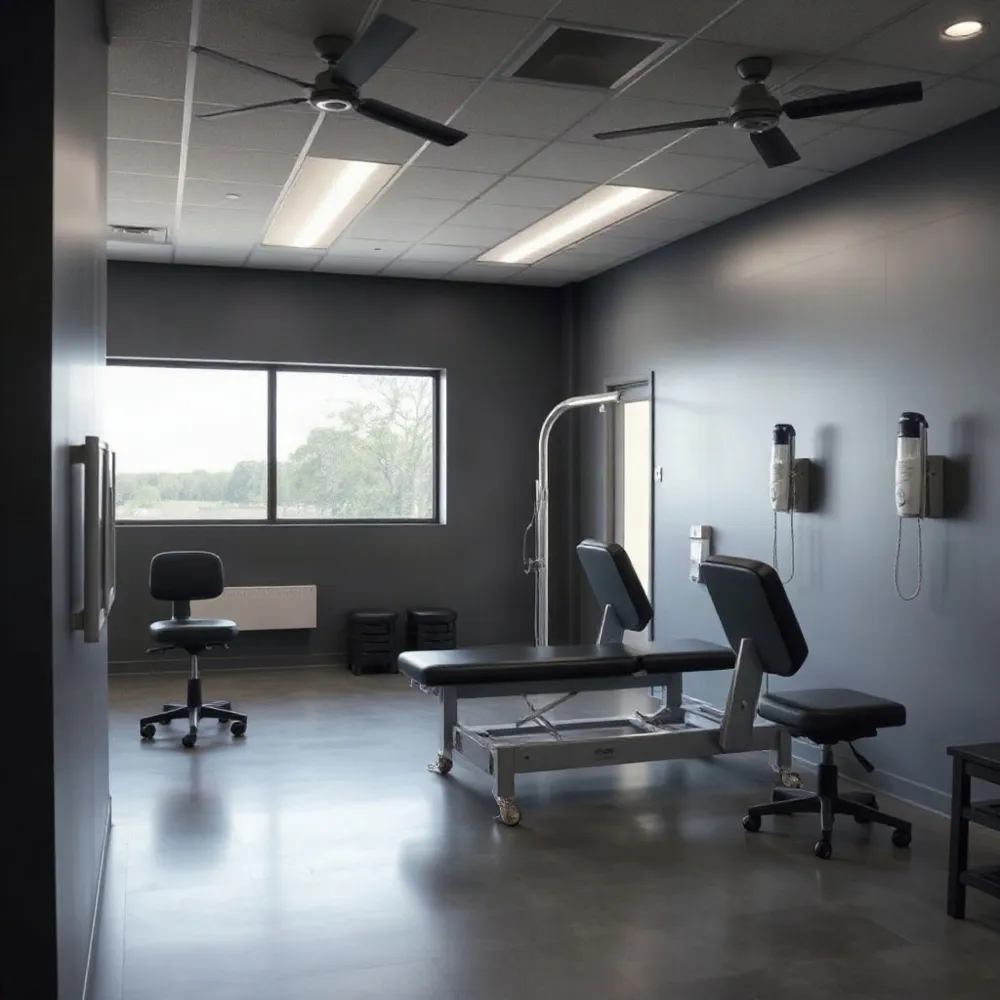
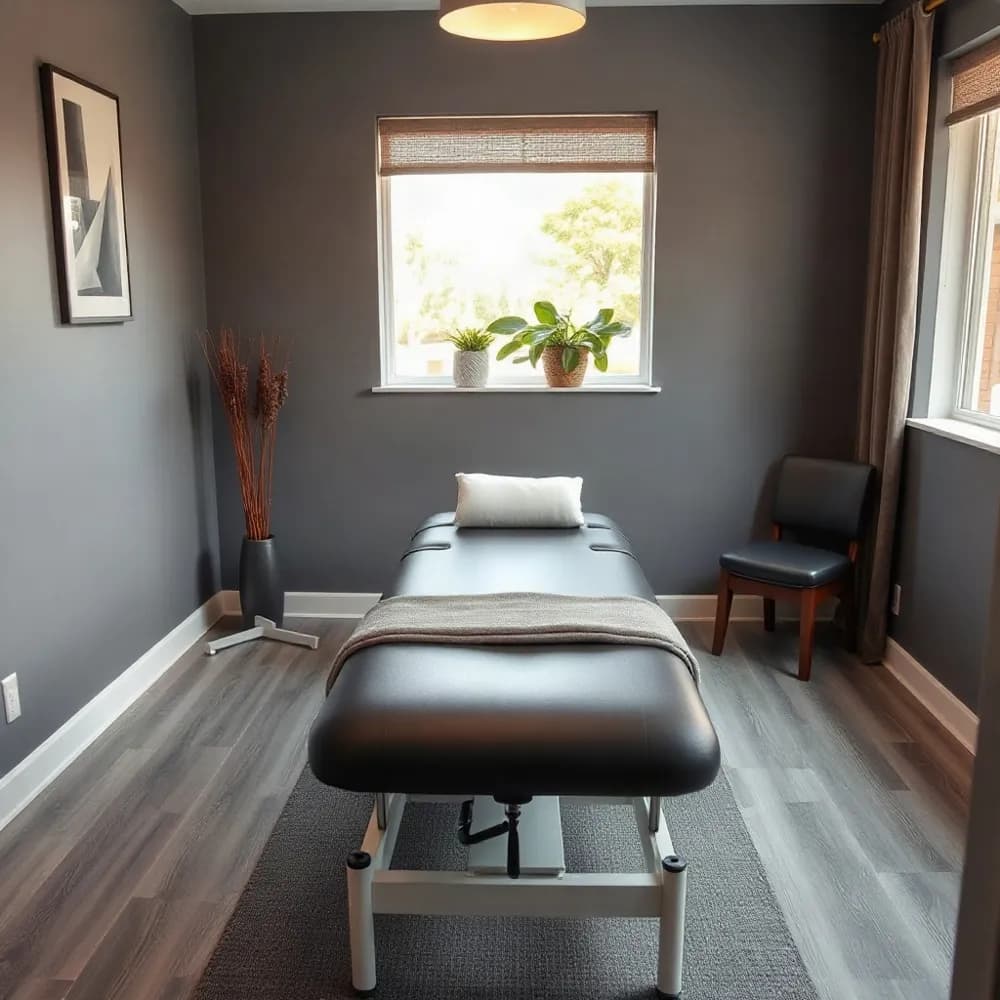
Modern strategies often integrate conventional care with supportive practices to address the whole person. At West Buffalo Chiropractic, we emphasize this proactive approach through personalized rehabilitation and spinal adjustments, helping patients maintain the mobility required for independent living. By aligning these lifestyle habits early, individuals can better manage the physical stressors of aging and preserve their functionality throughout their later years.
Safety and Effectiveness of Chiropractic Care for Seniors
 Aging naturally involves changes to spinal alignment, joint flexibility, and bone density that often manifest as chronic stiffness or limited mobility. Because of these unique physiological factors, chiropractic care has emerged as a preferred non-invasive option for seniors seeking to manage discomfort without relying solely on long-term medication use. Practitioners utilize modified, low-force techniques specifically designed to accommodate the sensitivities of older patients, prioritizing safety while effectively addressing the root causes of musculoskeletal dysfunction.
Is chiropractic care safe and effective for elderly individuals?
Evidence confirms that chiropractic care is a safe and natural approach for aging adults, offering significant advantages for both pain management and long-term physical health. At West Buffalo Chiropractic, Dr. Francisco Vaquero adapts every treatment to the individual bone density and health history of each patient, ensuring sessions remain gentle yet highly effective. This personalized approach addresses age-related arthritis and persistent stiffness by restoring proper alignment and improving local blood flow. By stabilizing joint function, patients can experience restored movement patterns, which are essential for routine daily tasks.
Beyond addressing localized soreness, regular adjustments are proven to enhance proprioception, which is the body's natural ability to perceive its position in space. Improving this neurological feedback loop is a hallmark of defensive aging, as it drastically reduces the risk of debilitating falls. For residents of Buffalo, NY, regular visits to West Buffalo Chiropractic provide a proactive defense against the loss of independence. Whether through targeted spinal manipulation or integrated rehabilitative exercise, this evidence-based model supports seniors in maintaining an active, fulfilling lifestyle while staying mobile in their own homes.
Navigating Medicare Coverage for Chiropractic Services
Understanding how insurance interacts with your wellness journey is a vital step toward maintaining consistent, proactive care. Many patients in our Buffalo community often ask, Does Medicare provide coverage for chiropractic services?
Medicare Part B covers manual manipulation of the spine by a chiropractor specifically to correct a vertebral subluxation. It is important to note that Medicare does not cover other services often ordered by a chiropractor, such as X-rays, massage therapy, or acupuncture. After meeting your annual Part B deductible, you are responsible for a 20% coinsurance of the Medicare-approved amount.
While Original Medicare has these specific limitations, some Medicare Advantage (Part C) plans may offer additional chiropractic benefits, so it is recommended to check with your specific plan provider. If you have questions about recommended treatments or their coverage, please request a review of your benefits. You can also visit www.716chiropractic.com for more information on how we work with patients to clarify potential out-of-pocket costs and coordinate personalized care plans.
The Preventive Power of Chiropractic Maintenance Visits
 Moving from a reactive, crisis-driven approach to health toward a strategy of routine wellness is essential for maintaining long-term independence. Rather than waiting for acute pain to surface, proactive maintenance care focuses on identifying and addressing subtle spinal misalignments, or subluxations, before they escalate into significant mobility barriers. By regularly assessing the spine for joint restrictions and muscle tension, West Buffalo Chiropractic ensures that patients sustain balanced nervous system function, which is critical for preserving coordination and preventing common age-related injuries.
Regular visits allow your provider to stay ahead of potential issues, acting as a form of secondary prevention. This consistent rhythm helps the body handle the physical stressors of daily life with greater resilience. At www.716chiropractic.com, we tailor these sessions through a personalized physical exam and health history review, ensuring every adjustment is safe and effective for your specific body. This is a common practice in the field, as similar studies demonstrate that maintenance chiropractic care helps patients with recurring low back pain experience significantly fewer days of pain overall compared to those who only seek care when a crisis occurs.
What is the recommended frequency for chiropractic maintenance care?
Maintenance care is a proactive approach to wellness that focuses on preserving spinal health and preventing the return of pain before it becomes an issue. While the ideal frequency varies significantly based on an individual's lifestyle, physical demands, and health goals, many patients benefit from adjustments every 6 to 8 weeks. At West Buffalo Chiropractic, we take a personalized approach to your care, working with you to determine a schedule that supports your unique needs. Some patients with active or high-stress occupations may find that more frequent visits keep them functioning at their best, while others maintain their progress with longer intervals between sessions. Ultimately, Dr. Francisco Vaquero will collaborate with you to establish a consistent maintenance routine that optimizes your long-term mobility, performance, and overall well-being.
Holistic Dimensions for Fulfilling Later Years
Long-term wellness for seniors is best achieved through a holistic model that encompasses seven interconnected dimensions: physical, emotional, intellectual, social, spiritual, environmental, and vocational. Physical wellness is foundational to independence, while emotional and intellectual engagement fosters resilience and cognitive sharpness. Strengthening social ties and embracing a sense of purpose, whether through paid work, volunteering, or hobbies, provides deeper meaning to daily life. Spiritual growth and living in a supportive environment further round out this balance, allowing seniors to optimize their potential. By intentionally nurturing each of these areas, older adults can build a more fulfilling, vibrant, and purpose-driven life.
What are the core dimensions of long-term wellness for seniors?
True longevity depends on addressing these diverse needs simultaneously. At West Buffalo Chiropractic, we recognize that physical mobility is the engine that drives participation in these other dimensions. Our approach integrates spinal adjustments and rehabilitation to ensure patients remain capable of engaging with their social, vocational, and intellectual pursuits. Research shows that proactive wellness programs focused on 'purposeful living' are prioritized by 90% of aging adults, per 2020 PMC data.
The impact of purpose reaches far beyond mental satisfaction. Volunteering among seniors is linked to improved health outcomes, including delayed physical disability and reduced hypertension, according to Go365. To keep this momentum, integrating movement with cognitive fitness is vital. For example, exercises that require concentration, like tai chi or guided stretching available at the Living Well program, allow seniors to maintain brain-body coordination while improving balance.
- Physical: Enhancing mobility and reducing systemic inflammation.
- Emotional: Cultivating resilience through stress management and support.
- Intellectual: Engaging in lifelong learning and complex problem-solving.
- Social: Fostering connections to combat isolation and improve cardiovascular health.
- Spiritual: Seeking meaning and inner peace to improve quality of life.
- Environmental: Modifying home spaces for safety, such as adding grab bars.
- Vocational: Contributing skills through work, hobbies, or volunteering.
Planning for the Future Using the 40/70 Rule
What is the 40/70 rule regarding senior care?
The 40/70 rule is a proactive caregiving guideline suggesting that adult children should initiate serious conversations about long-term health and care planning when they reach their 40s and their parents are around 70. This timing is critical because it allows families to discuss living arrangements, financial planning, and healthcare wishes before a sudden medical emergency creates a crisis. By engaging in these dialogues while parents are still in good health and sound mind, children can ensure that future care decisions reflect their parents' personal values and preferences. These early conversations help protect the parent's autonomy and dignity, preventing the stress of making rushed, reactive decisions under pressure. Ultimately, this approach fosters a more collaborative environment, reducing future emotional and logistical strain for the entire family.
At West Buffalo Chiropractic, we recognize that autonomy in aging requires clear communication across generations. Much like scheduling routine spinal maintenance prevents acute pain, discussing health preferences at age 70 prevents the crisis-driven decision-making that often compromises a senior's independence. While some external providers focus strictly on administrative checklists, our team emphasizes a whole-person approach that addresses both the physical and emotional dimensions of aging.
Meaningful planning sessions should clarify who will manage health decisions and where care will take place. These conversations are far more effective when held in a calm, neutral environment rather than a hospital waiting room. By taking these steps, you build a support structure that aligns with the Wellness in Aging framework, which prioritizes environments that actively foster individual wellbeing and longevity.
Nutritional Foundations and Strength for Longevity
Aging bodies naturally demand more nutrient density despite lower caloric requirements. Addressing deficiencies in micronutrients like Calcium, Vitamin D, and B12 is essential for maintaining bone density and cognitive performance. At www.716chiropractic.com, personalized care plans often incorporate nutritional counseling to help bridge these specific gaps, ensuring your body has the raw materials needed for recovery and joint health.
Preventing sarcopenia, or muscle loss, requires intentional protein intake alongside regular physical activity. While many seniors fall short of daily protein goals, adding high-quality sources can stabilize muscle mass and support balance. When age-related changes weaken thirst signals, habitual hydration becomes a tactical requirement for digestion and overall vitality. By tracking these habits, you move from reactive survival into a proactive state of long-term wellness.
Taking Control of Your Wellness Journey
Achieving lasting independence requires a proactive shift from treating isolated symptoms to embracing a whole-person approach. By integrating consistent physical movement with tailored nutritional guidance and regular spinal health maintenance, you can significantly enhance your quality of life during your later years. Creating a comprehensive wellness strategy that addresses your specific physical, social, and environmental needs is the most effective way to protect your long-term mobility.
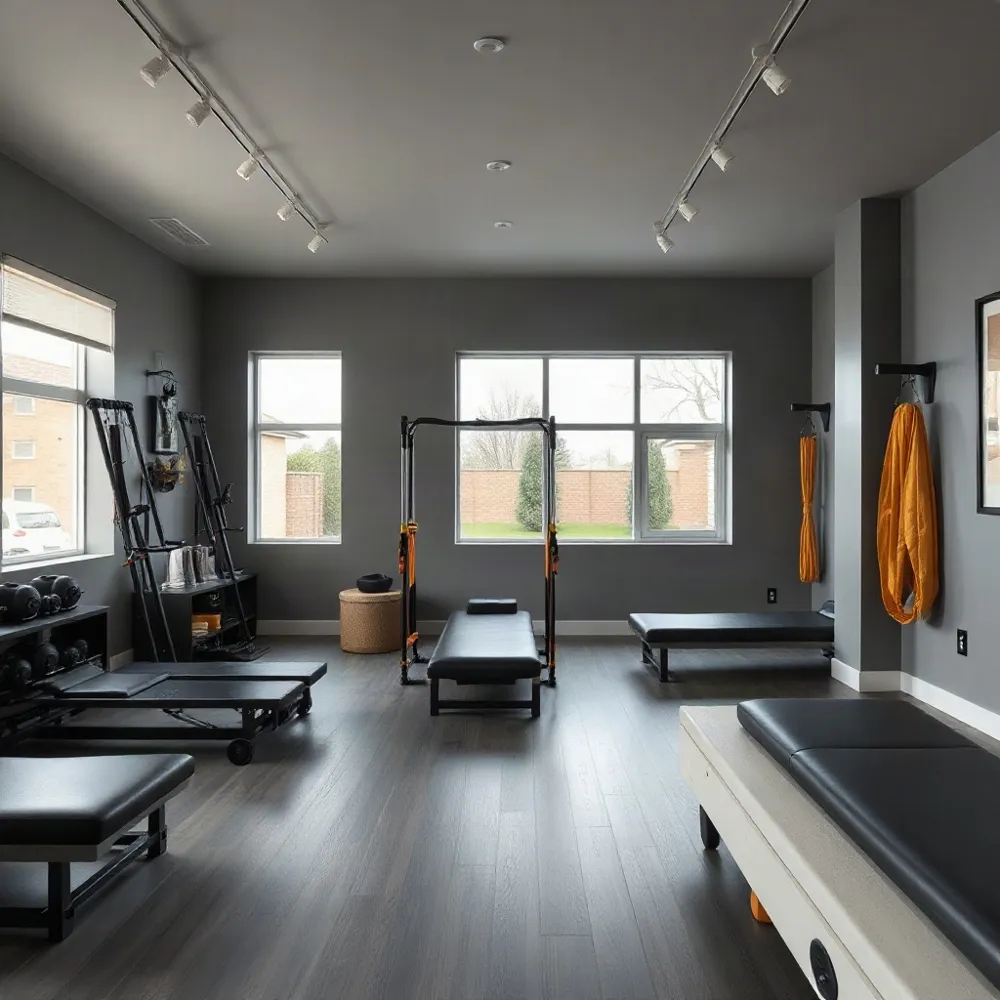
Supportive care at West Buffalo Chiropractic focuses on this proactive model by combining personalized spinal adjustments with soft tissue therapy and rehabilitation. Unlike reactive models that wait for injury, our team works with you to build a foundation that minimizes fall risks and restores functional movement. Ready to prioritize your strength and flexibility? Book your personal assessment online today to develop a specialized plan that keeps you active, vibrant, and fully engaged.