
Recovery Starts With Assessment
After a collision, it can be hard to tell how badly you are hurt. Pain may be immediate, mild at first, or delayed for hours or days. A prompt medical assessment can help identify injuries and determine whether urgent care or further testing is needed.
Once serious concerns have been assessed, recovery can follow a practical path: understand the injury, choose care suited to your needs, and check progress over time. Chiropractic treatment is not appropriate for every injury and should not replace emergency evaluation or individualized medical advice.
At West Buffalo Chiropractic, stated services include spinal adjustments, spinal decompression, soft-tissue therapy, and rehabilitation. These are options to discuss with a qualified provider, not promises of a particular result. The right plan depends on your symptoms, examination, and how your condition changes.
Recognize Symptoms and Urgent Warning Signs
 An injury may not be obvious at the scene. Whiplash and other effects of a collision can become noticeable hours or several days later, so feeling well immediately afterward does not rule out a problem.
What symptoms can appear days after a car accident? Watch for neck or back pain and stiffness, headaches, and tenderness in the shoulders or upper back. Dizziness, fatigue, blurred vision, ringing in the ears, and numbness or tingling in the arms or hands can also occur. Some people notice changes in sleep, concentration, memory, or mood.
Arrange prompt medical assessment if new symptoms appear or worsen, particularly vision changes or numbness. A medical clinician can evaluate possible head, neck, or spinal injuries and decide whether imaging or other urgent treatment is needed.
Is it safe to see a chiropractor after a car accident, and when should I seek medical care first? Chiropractic care may be appropriate for musculoskeletal symptoms after a clinician has assessed the injury. Do not have spinal manipulation until serious injury or spinal instability has been ruled out. At West Buffalo Chiropractic, care for auto injuries includes spinal adjustments, soft-tissue therapy, and rehabilitation, with the approach based on the individual’s needs.
Seek emergency care for loss of consciousness, confusion, repeated vomiting, a severe or worsening headache or neck pain, weakness or numbness, trouble walking, difficulty breathing, or a suspected fracture. These warning signs need medical attention before routine chiropractic care.
Prepare for a Thorough First Visit
 A first chiropractic appointment after a collision is mainly an assessment. The clinician may ask about your medical history, the crash, your symptoms, and how pain affects movement. An examination may include posture, range of motion, and other checks chosen to fit your symptoms and findings.
Imaging or referral to another medical professional may be considered if the history or examination suggests a need. These steps are not required for every patient. Seek emergency evaluation first for severe symptoms or a suspected serious injury, such as a head or spinal injury.
What should I tell a chiropractor after a car accident?
Explain when and how the collision happened, including the type of impact and where you were seated. Mention whether you hit your head or lost consciousness. Describe every symptom, even mild discomfort, and note where it is, when it began, what worsens or eases it, and whether it affects sleep, movement, or daily activities. Symptoms may emerge after the crash, so include changes that began later.
Share relevant medical history, medications, prior injuries, and any care or tests you have received since the accident. Bring available medical records, accident or police reports, photographs, imaging results, and insurance or claim information. If you do not have every document, describe what you remember as accurately as you can.
Ask how proposed care relates to your symptoms, what side effects or discomfort might occur, how often and for how long visits may be recommended, and how progress will be measured. At West Buffalo Chiropractic, auto-injury care can draw on services such as spinal adjustments, soft-tissue therapy, and rehabilitation, with care personalized to the patient’s needs.
Match Care to the Injury
What can a chiropractor do to help after a car accident? A chiropractor can assess your symptoms, medical history, and movement to look for possible neck, back, joint, or soft-tissue injuries. The examination may also help determine whether you need further medical evaluation. Seek emergency care for severe pain, weakness, numbness, or other urgent symptoms.
Treatment depends on the findings, not just the type of collision. A plan may include spinal adjustments or mobilization, soft-tissue therapy, spinal decompression when appropriate, and rehabilitation exercises. These approaches may aim to ease pain, improve mobility, and support a gradual return to daily activities, but no particular treatment or result is right for everyone.
At West Buffalo Chiropractic, Dr. Francisco Vaquero, D.C., provides care for auto injuries, with services that include spinal adjustments, soft-tissue therapy, spinal decompression, and rehabilitation. The choice of care should reflect an individual assessment, and progress can guide changes to the plan.
Chiropractic care can be coordinated with appropriate medical care; it is not a substitute for emergency evaluation. Discuss medication questions with a qualified healthcare professional rather than treating chiropractic care as a replacement. Bringing accident details and relevant medical records can help inform the assessment.
Build Strength Through Rehabilitation
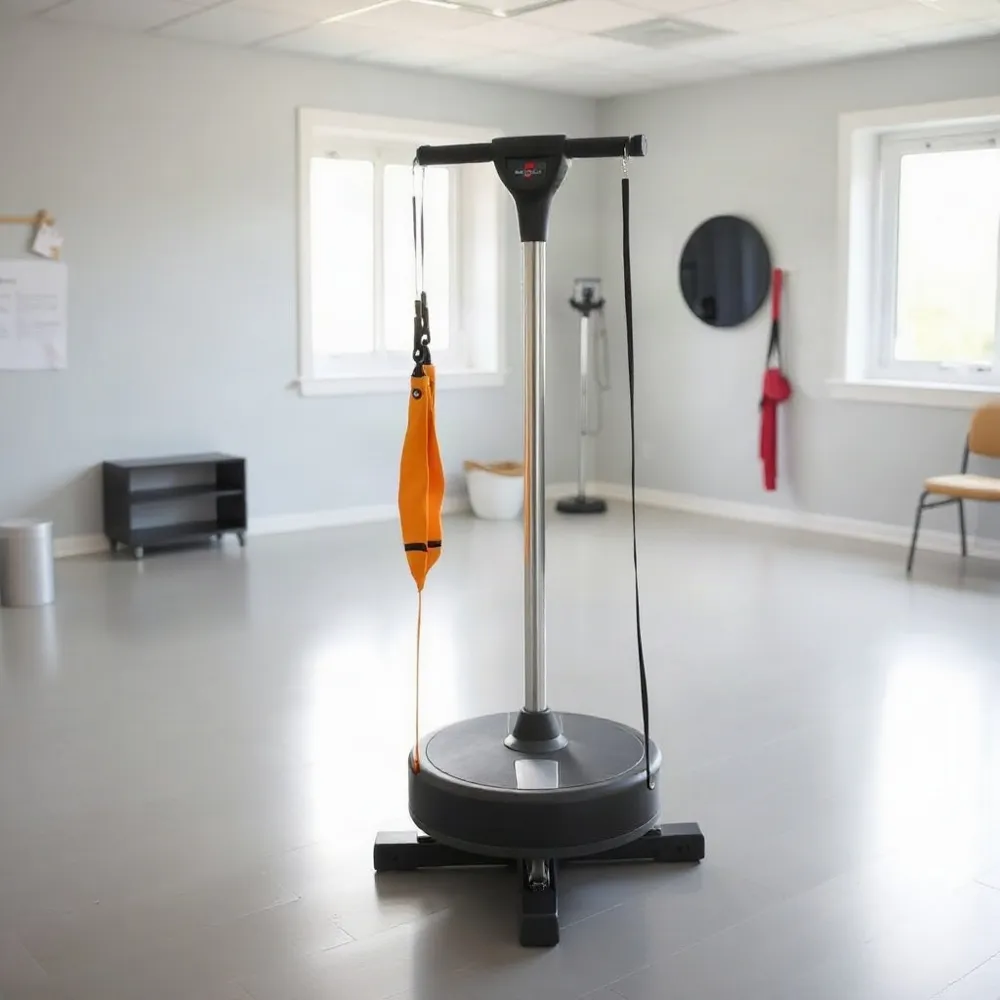 Chiropractic rehabilitation is a personalized program that combines hands-on care with guided exercises and movement training. After an auto injury, it can support efforts to restore strength, mobility, and everyday function, with activities selected to suit the person’s condition and goals.
A plan may include stretching, strengthening, balance work, core stability, posture practice, or movements that reflect daily tasks. The mix and difficulty can change as symptoms and abilities change. Rehabilitation is not a guarantee against reinjury, but building control and strength may help support safer movement.
Home exercises and practical instruction can extend the work done during clinic visits. A provider may explain how to modify lifting, sitting, or other routine movements while recovery continues. Follow the clinician’s guidance, and report any new or worsening symptoms so the plan can be reviewed.
West Buffalo Chiropractic lists rehabilitation among its services and describes its care as personalized and whole-person. That approach provides a setting to discuss how guided movement and other care options may fit an individual’s recovery, without assuming every patient needs the same exercises or schedule.
In short, chiropractic rehabilitation is tailored care that uses exercise and movement training, sometimes alongside hands-on treatment, to help a person regain function. Progress and treatment choices depend on the injury and the individual’s response.
Return to Activity at a Measured Pace
There is no universal rest period after a car accident. The right balance depends on the injury, symptoms, and advice from a healthcare provider. Even if you feel well at first, seek prompt assessment because some problems become noticeable later.
How long should I rest after a car accident?
Take it easier during the first few days and avoid strenuous activity while you assess how you feel. Prolonged bed rest is usually not ideal, though. As symptoms allow, try gentle movement and gradually resume everyday tasks. If an activity worsens your pain, stop or modify it rather than pushing through.
Follow your provider’s guidance on what is safe for your particular injury. West Buffalo Chiropractic offers personalized care for auto injuries, including rehabilitation, but an individual assessment is needed to guide activity. The clinic’s whole-person approach can take daily function and symptoms into account when discussing care.
Seek urgent medical care for severe or worsening pain, weakness, numbness, confusion, or other concerning symptoms. These signs may need prompt evaluation rather than a routine return-to-activity plan. Increase activity only as your condition allows, and check in with your healthcare provider if symptoms flare or you are unsure what to do.
Set Expectations for Whiplash Recovery
Whiplash is a neck injury that can occur when a collision suddenly moves the head forward and back. Neck pain, stiffness, headaches, or reduced movement may not appear right away, so feeling well immediately after a crash does not rule out an injury.
How long does whiplash take to heal?
Many mild cases improve within a few weeks, while recovery can take several weeks to three months. Some people continue to have pain or stiffness for months, and a smaller number experience longer-lasting symptoms. These timeframes are not guarantees.
Recovery depends on the injury’s severity, overall health, existing neck problems, and how symptoms respond to care. A clinician can assess the injury and guide decisions about treatment and activity. Seek medical evaluation after an accident even if symptoms seem mild or emerge later.
At West Buffalo Chiropractic, care for auto injuries can be tailored to a person’s symptoms and recovery needs. The clinic’s services include spinal adjustments, soft-tissue therapy, and rehabilitation, but the appropriate plan depends on an individual assessment.
Adjust Visit Frequency as You Progress
How often and for how long might I need chiropractic care after a car accident? The answer depends on the injury, symptoms, overall health, and response to care. There is no schedule that fits everyone, and a visit plan should be based on an individual assessment.
Visits may be more frequent early in care, sometimes several times a week, then become less frequent as pain eases and mobility and daily function improve. At West Buffalo Chiropractic, Dr. Francisco Vaquero, D.C., can assess your needs and adjust a personalized plan as your condition changes.
As a broad expectation, some mild injuries may involve a few weeks of care, while complex or persistent problems may require several months. These are not guaranteed timelines or prescriptions. Reassessment helps determine whether the plan remains appropriate, needs to change, or can wind down.
Keep track of pain, range of motion, and tasks that become easier or harder, and share those changes at follow-up visits. Contact your clinician if pain worsens, mobility changes significantly, or progress stalls. Seek prompt medical evaluation after an accident, especially for severe pain, numbness, weakness, or other concerning symptoms.
Clarify Coverage and Possible Costs
Does auto insurance cover chiropractic care after an accident, and who may be responsible for the cost? It may, but payment is not guaranteed. Coverage can depend on your policy, state rules, whether care is considered medically necessary, and how the crash occurred.
Your own auto policy may include Personal Injury Protection (PIP) or Medical Payments (MedPay) coverage, which can pay eligible bills up to policy limits, regardless of fault. If another driver is responsible, that driver’s liability insurer may ultimately pay through an injury claim. Such claims can take time to resolve, so ask how bills are handled while a claim is pending.
Health insurance may also contribute, subject to plan terms, deductibles, and copays. If you later receive a settlement, your health plan may seek reimbursement for some expenses. Confirm these details with your insurer rather than assuming that a particular treatment or bill will be covered.
Contact your insurers promptly to check benefits and any documentation requirements. Keep copies of treatment plans, bills, receipts, and claim communications, and ask the clinic about billing options and possible out-of-pocket costs before care begins.
West Buffalo Chiropractic lists CareCredit as a flexible financing option. Ask the clinic to confirm whether it is available for your care and review its current terms before relying on it. Clear answers about coverage and costs can help you plan without assuming payment is assured.
Keep Recovery Individual and Informed
Recovery is easier to manage when you note symptoms, seek appropriate assessment, and share clear details about the collision and your health. That information helps a clinician consider care suited to the injury rather than follow a fixed routine.
Timelines and treatment choices differ from person to person. Tell your treating clinician if pain changes, new symptoms appear, or movement becomes more difficult, so the plan can be reviewed. West Buffalo Chiropractic describes its care as personalized, with services including spinal adjustments, soft-tissue therapy, and rehabilitation.
If you are ready to discuss an auto injury, online appointment booking is available through the clinic. No approach can promise a particular recovery; urgent or severe symptoms should be assessed by emergency medical services first.