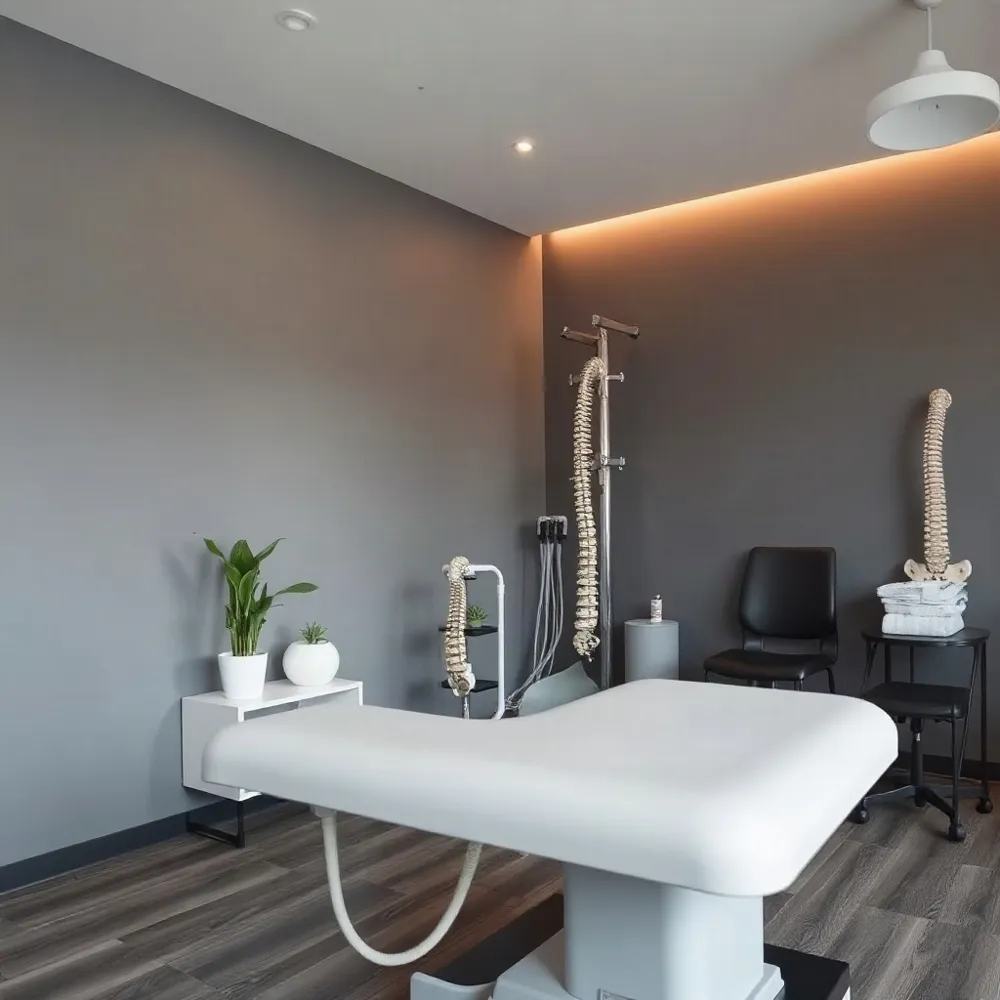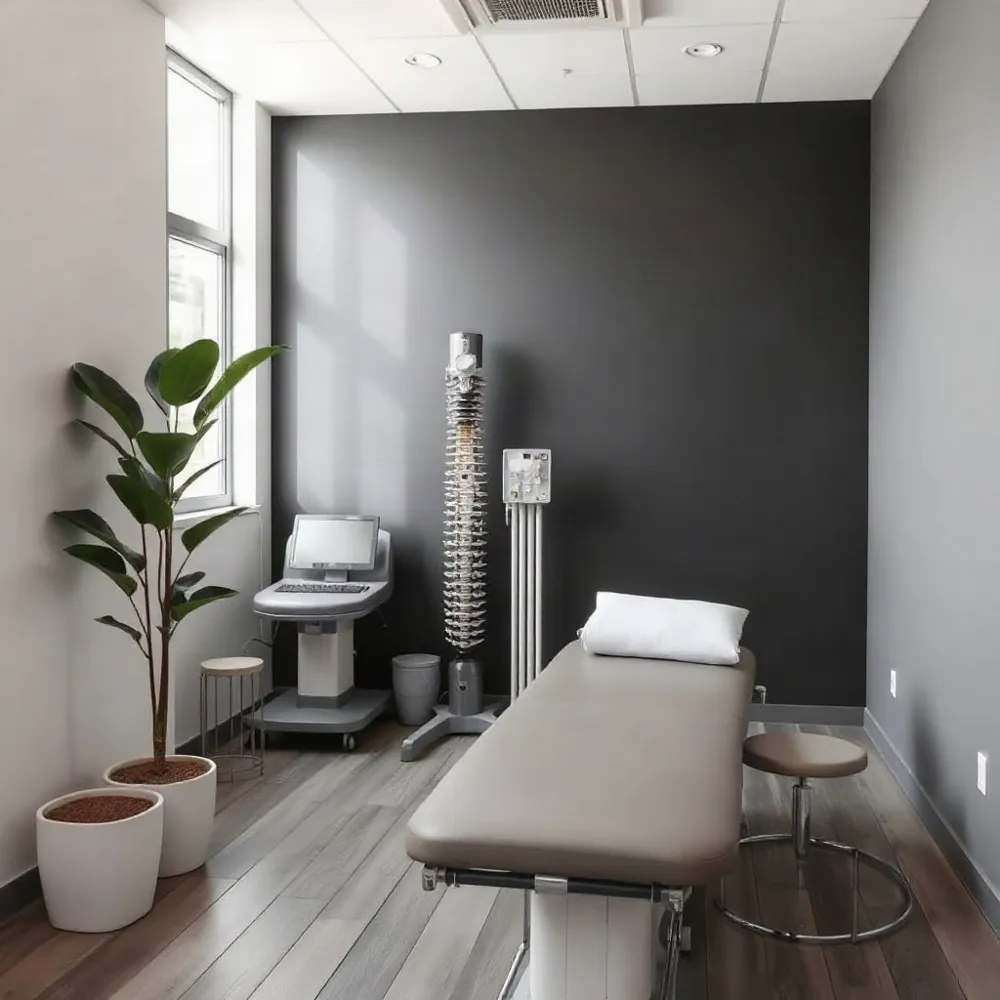
Care Starts With Your Experience
Nerve-related pain can feel different from one person to another. Burning, tingling, or shooting sensations may affect movement, sleep, work, mood, and everyday activities. Understanding how symptoms shape your life is part of deciding what care may be appropriate.
A personalized plan considers your symptoms, health history, possible causes, and goals, such as moving more comfortably or returning to routine activities. It is not a promise of one cure, and the right approach can change as your needs or response to care change.
West Buffalo Chiropractic takes a whole-person approach and offers spinal adjustments, spinal decompression, soft tissue therapy, rehabilitation, and ultrasound therapy. An individual assessment helps determine whether chiropractic care may fit your situation; nerve symptoms can also require evaluation by other healthcare professionals.
Recognizing Nerve Pain
 Nerve pain may feel burning, shooting, stabbing, sharp, or like an electric shock. Some people also notice tingling, pins and needles, numbness, or pain from light touch or pressure. These sensations can come and go or persist, and may follow the path of an affected nerve. Neuropathic pain can include heightened sensitivity as well as reduced sensation, so symptoms do not look the same for everyone. A review of neuropathic pain describes this range of sensations.
Weakness or reduced feeling may accompany pain. Symptoms can relate to nerve compression or irritation, an injury, or repetitive strain. Other possible sources include diabetes, shingles and other infections, autoimmune conditions, and disorders affecting the brain or spinal cord. Alcohol misuse, toxins, and inherited conditions may also play a role. Because these causes call for different responses, a symptom description alone cannot identify the underlying problem.
An evaluation may begin with a review of medical history and a physical and neurological examination. Depending on the situation, a clinician may consider imaging or tests such as nerve-conduction studies and electromyography to assess nerve and muscle function. These steps help guide decisions about appropriate care; they do not mean every person needs every test. Cleveland Clinic’s overview of pain management explains that assessment and treatment depend on the person and the suspected cause.
West Buffalo Chiropractic’s whole-person approach includes assessment alongside services such as rehabilitation and soft tissue therapy, but those services are not a diagnosis for every kind of nerve pain. Seek medical advice for persistent or worsening symptoms. Sudden weakness or loss of bladder or bowel control requires urgent medical attention.
Why Individualized Plans Matter
 People with similar diagnoses can have different causes, symptom patterns, health circumstances, and prior treatment experiences. They may also respond differently to the same approach, which is why care decisions should be based on an individual assessment rather than the diagnosis alone.
A provider may review medical history, how long symptoms have lasted, their intensity, and how they affect everyday activities. Discussing personal goals also helps shape the conversation, whether the priority is moving more comfortably, sleeping better, or returning to a valued activity. Pain management plans can be tailored to a person’s needs and may change over time, as described by the Cleveland Clinic.
Goals can include function and quality of life, not only lowering pain. At West Buffalo Chiropractic, personalized care may draw on services such as rehabilitation, soft tissue therapy, spinal adjustments, spinal decompression, or ultrasound therapy, depending on an individual’s situation. These services are not suitable for every cause of nerve pain, and an assessment can help determine whether chiropractic care may fit alongside other medical care.
A plan may combine movement-based therapy, exercise, complementary approaches, medication, or medical procedures when appropriate. These options involve different providers and risks, and medication or procedures should not be assumed to be chiropractic services. Clinicians generally consider conservative approaches before riskier options, then monitor progress and revise the plan as needs change.
Expectations should remain realistic. The 2025 review of neuropathic pain treatment strategies describes individualized, multimodal care because responses vary. The Cleveland Clinic notes that fewer than half of people with neuropathic pain may get adequate relief from a single therapy, and chronic-pain treatment does not guarantee complete relief for any individual. Improvement in daily function can still be a meaningful goal.
Where Chiropractic Care May Fit
Chiropractic care may be considered when an assessment suggests that a musculoskeletal problem, such as spinal or joint movement contributing to nerve irritation, is part of the picture. It is a complementary option, not a fit for every nerve condition or a substitute for evaluating an underlying illness. The Cleveland Clinic’s overview of pain management describes chiropractic adjustments as one possible approach alongside other care.
Can a chiropractor help with a pinched nerve?
Possibly, if spinal or joint factors contribute to the symptoms, but relief is not guaranteed. At West Buffalo Chiropractic, Dr. Francisco Vaquero can assess your concerns and discuss whether the clinic’s spinal adjustments, spinal decompression, soft tissue therapy, or rehabilitation may be appropriate. The choice depends on your symptoms and health, and referral to another clinician may be recommended.
Can chiropractic care help with nerve pain or neuropathy?
It may help when a musculoskeletal issue contributes, but neuropathy can also arise from causes such as diabetes, medication effects, nutritional deficiencies, or injury. Chiropractic care may not address those underlying causes, so medical evaluation may be needed. A review of neuropathic pain treatment describes care as individualized and potentially multidisciplinary.
Do not rely on chiropractic care alone for worsening symptoms. Seek prompt medical evaluation for increasing numbness, weakness, sudden numbness, or trouble walking. Dr. Vaquero can discuss whether care at the clinic is appropriate and whether another clinician should assess the problem.
Monitoring Response and Safety
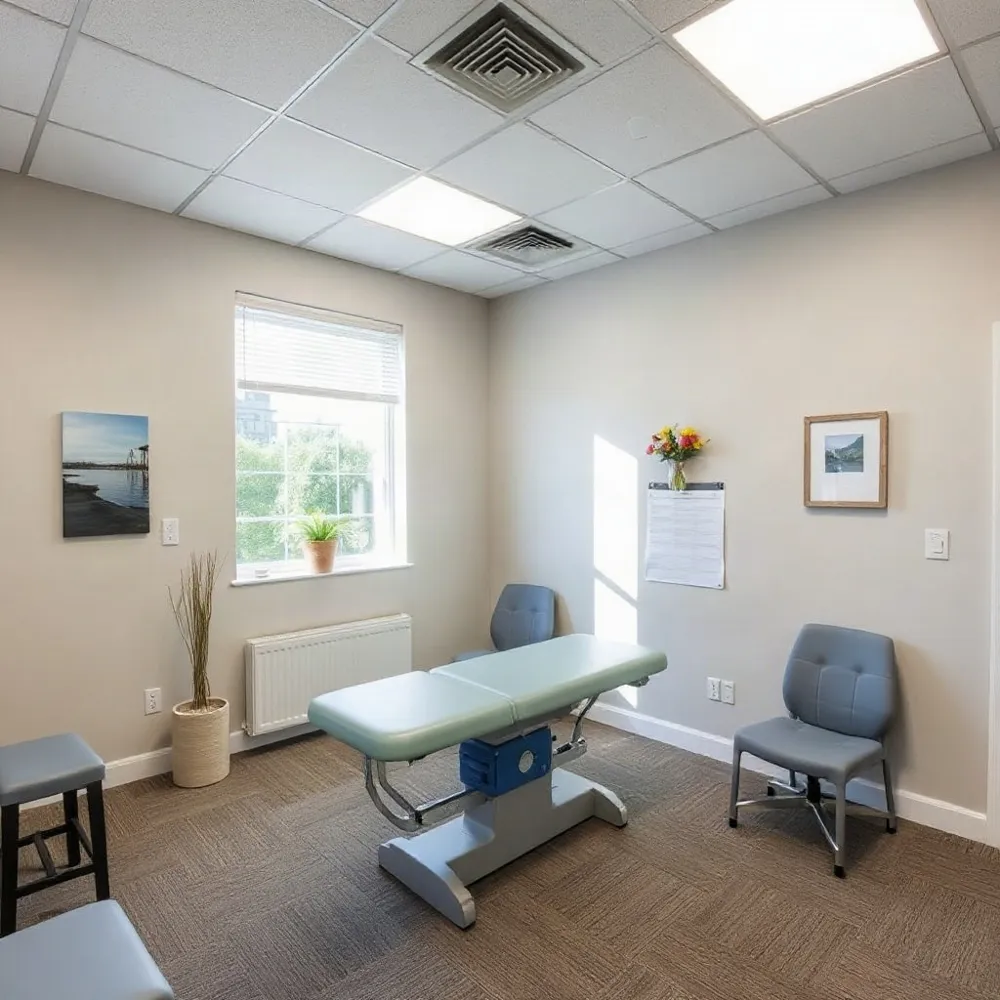 Response and recovery time vary with the cause and degree of nerve irritation, how long symptoms have been present, overall health, and response to care. There is no set timeline or guaranteed number of visits. A provider can assess whether chiropractic care is appropriate and discuss what changes to watch for. Pain may ease before tingling, numbness, or weakness does, so share the full pattern of symptoms at follow-up.
Can chiropractic treatment make a pinched nerve worse?
An unsuitable technique may aggravate symptoms, and adjustments are not appropriate for everyone. Before recommending care, West Buffalo Chiropractic can consider a person’s symptoms and health history when discussing its services, which include spinal adjustments, soft tissue therapy, and rehabilitation. Report worsening pain, numbness, tingling, or weakness promptly to a healthcare professional. Seek urgent care for severe or rapidly worsening symptoms or new loss of strength or function.
How long does it take for a pinched nerve to improve with chiropractic care?
There is no reliable timeline that applies to everyone. If symptoms persist, recur, worsen, follow an injury, interfere with sleep or usual activities, or include weakness or balance problems, arrange medical evaluation. Discuss the potential benefits and risks of each treatment with a qualified provider. Risks depend on the person and approach; more invasive procedures can have complications and are not routine chiropractic services. Pain-management plans may be adjusted as needs change, and care should not promise complete or immediate relief (Cleveland Clinic guidance on pain management).
When to Seek Medical Care
Nerve pain is not always permanent. It may improve when a cause such as compression, injury, or illness heals or is treated, though recovery varies and some symptoms can last. Even when pain persists, an appropriate plan may help manage symptoms, support daily function, and improve quality of life without promising complete relief. Cleveland Clinic’s overview of pain management explains that care may be adjusted to a person’s needs over time.
Seek medical assessment for persistent, recurring, worsening, or unexplained pain, tingling, unusual sensitivity, numbness, or weakness. Balance or coordination problems, symptoms after an injury, or pain that interferes with daily activities are also reasons to contact a healthcare professional. West Buffalo Chiropractic offers personalized chiropractic care and rehabilitation, but a clinician should assess possible nerve damage and determine whether medical evaluation is needed.
Sudden or rapidly worsening weakness or numbness, difficulty walking, or new loss of bladder or bowel control calls for urgent evaluation. Severe back pain accompanied by leg weakness or numbness also warrants prompt attention. Seek emergency care for severe or rapidly progressing symptoms rather than waiting to see whether they resolve.
A Plan That Can Adapt
A useful care plan reflects the possible cause of symptoms, the person’s priorities, and how symptoms change. Pain management may combine approaches and require adjustments over time, with the aim of supporting daily function rather than promising complete relief (Cleveland Clinic guidance on pain management).
Discuss each option’s benefits and risks with a qualified healthcare professional, including whether referral or further evaluation is appropriate. West Buffalo Chiropractic offers personalized chiropractic care and rehabilitation; contact the clinic to discuss whether an assessment may fit your circumstances. Seek prompt medical attention for new or worsening weakness, numbness, or other concerning symptoms.