Understanding the Role of Spinal Decompression at West Buffalo Chiropractic
Chronic back pain and disc-related conditions frequently disrupt daily life, leading many to seek relief beyond simple rest or medication. At West Buffalo Chiropractic, we focus on a whole-person approach to spinal health, prioritizing personalized care over one-size-fits-all solutions. Dr. Francisco Vaquero, D.C., and our team emphasize that effective recovery often starts by addressing the root source of spinal pressure through conservative, non-invasive methods.
The medical community increasingly favors a stepped approach to care, where non-surgical interventions are explored before considering invasive surgical procedures like discectomy or laminectomy. Our clinic utilizes advanced spinal decompression to gently create space within the spine, which can help retract bulging discs and facilitate the natural movement of nutrients to damaged tissues. By choosing this conservative path, patients may reduce nerve compression and improve functional capacity without the lengthy recovery times or potential risks associated with surgery.
Research supports this shift toward conservative therapy, as studies have shown that technology-led spinal decompression can yield significant improvements in pain scores and functional capacity compared to conventional physiotherapy alone. By integrating specialized decompression with soft tissue therapy and rehabilitation, our clinic offers a comprehensive framework designed to help patients manage chronic pathology while actively promoting long-term spinal stability.
Mechanics and Physiology of Non-Surgical Decompression
 What is non-surgical spinal decompression and how does it work? This treatment serves as an advanced, computer-controlled traction therapy designed to relieve back and neck pain caused by disc-related issues. Unlike traditional passive traction, this therapy at West Buffalo Chiropractic uses sophisticated sensors and algorithms to apply precise, intermittent stretching cycles that prevent muscles from tensing or bracing against the force. By gently distracting the spinal segments, the treatment creates negative pressure within damaged intervertebral discs, which can help retract herniated or bulging material back into place. Simultaneously, this process encourages the flow of oxygen, water, and nutrient-rich fluids into the disc, supporting the body's natural healing process as described in research on NSSD.
The fundamental distinction between manual traction and modern, computer-controlled decompression lies in the response to patient physiology. Manual or mechanical traction often relies on constant tension, which can inadvertently trigger a muscle guarding reflex. When muscles detect a sudden stretch, they frequently tighten to protect the joint, which can counteract the therapeutic goals. In contrast, computerized systems incorporate highly sensitive feedback loops that detect this resistance in real time, adjusting the pull force to maintain a relaxed state.
This distraction-relaxation cycle is exactly what allows the vacuum effect to take place. By avoiding muscle bracing, the treatment creates a consistent negative pressure environment within the disc as observed in clinical trials. This physical space helps address the mechanical component of disc pathology, reducing the pressure placed on adjacent nerve roots. For patients seeking [relief from spinal stenosis](https://my.clevelandclinic.org/health/treatments/10874-spinal-decompression-therapy) or chronic disc issues, this technology-led approach provides a targeted method that differs significantly from conventional, less precise forms of traction.
Clinical Efficacy and Treating Herniated Discs
 For patients suffering from chronic disc issues, non-surgical spinal decompression offers a targeted way to address the underlying source of discomfort. By utilizing specialized motorized equipment, the treatment creates a vacuum effect that reduces intradiscal pressure. This process helps facilitate the retraction of herniated or bulging material and encourages the inward flow of nutrients and hydration, which is essential for natural tissue repair. A 2025 clinical study found that this technology-led approach resulted in a 62% reduction in pain, significantly outperforming the 28% reduction observed in conventional physiotherapy cohorts Non-Surgical Spinal Decompression: Can Technology-Led ....
Does spinal decompression therapy effectively treat herniated discs?
Spinal decompression is a highly effective, non-surgical treatment for herniated discs. By using a specialized table to gently stretch the spine, the therapy creates negative pressure within the affected disc, which encourages the bulging or herniated material to retract. This process alleviates pressure on pinched nerves, directly addressing common symptoms such as shooting pain, numbness, and tingling. Beyond symptom relief, the treatment improves circulation to the damaged area, facilitating natural healing and reducing inflammation. At West Buffalo Chiropractic, this approach provides a conservative alternative to invasive procedures, helping patients regain mobility and achieve long-term spinal health.
The impact on radiculopathy and sciatica symptoms is particularly notable. Clinical data indicates that patients often experience measurable improvements in lumbar range of motion, which correlates strongly with lower pain scores Effects of non-surgical decompression therapy in addition to routine .... While traditional physiotherapy remains a standard intervention, the precision offered by computerized systems at West Buffalo Chiropractic allows for more consistent, segment-specific distraction. Objective MRI analysis in recent case series has confirmed significant anatomical improvements, including increased disc height and reduced herniation size among patients following a 20-session protocol CLINICAL AND IMAGING OUTCOMES OF NON-SURGICAL SPINAL ....
Comparing Conservative Care with Surgical Intervention
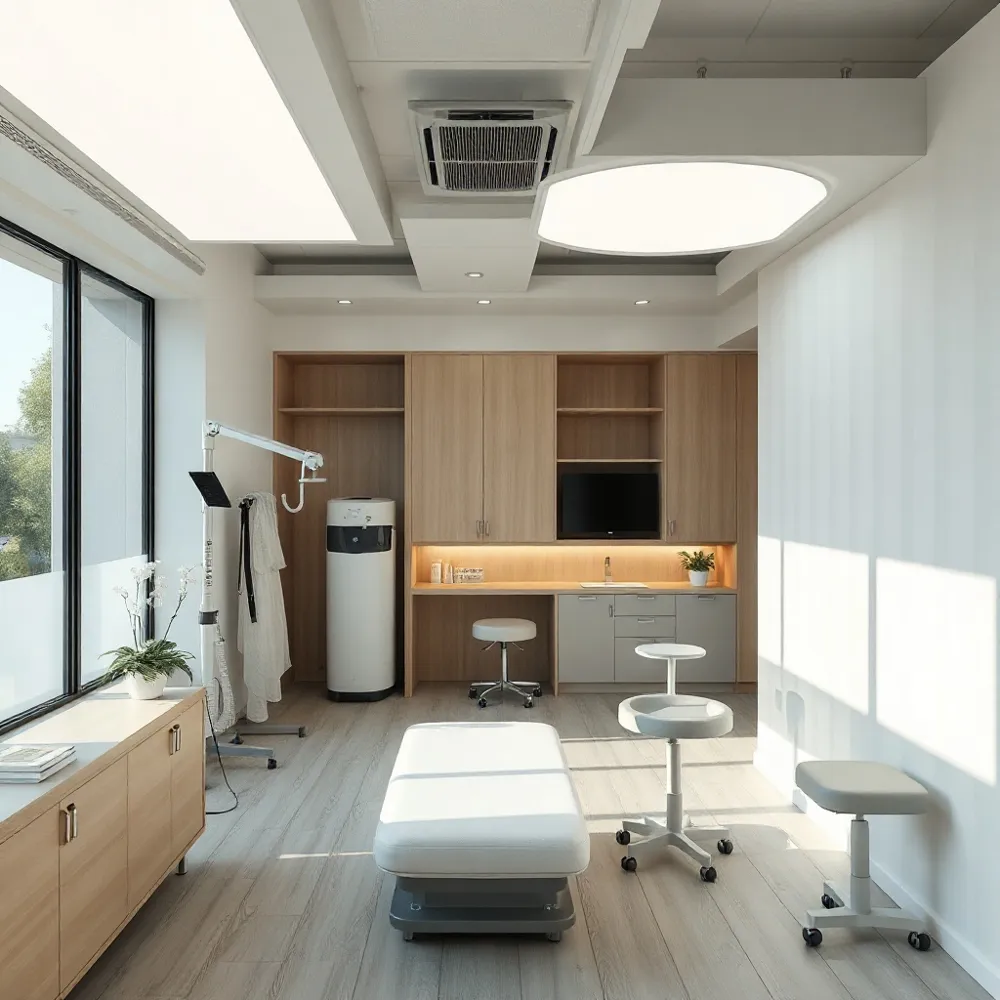 Medical providers typically follow a stepped approach when addressing chronic back pain. This logic prioritizes less invasive, cost-effective options, such as chiropractic care, before documenting the necessity for advanced surgical procedures. At www.716chiropractic.com, the team integrates spinal decompression with active rehabilitation to manage conditions like lumbar disc herniation and nerve compression without the trauma of an operation.
What are the primary differences between surgery and non-surgical spinal decompression for back pain?
The primary difference between surgery and non-surgical spinal decompression lies in their approach to treating conditions like nerve impingement, disc herniations, and spinal stenosis. Surgical intervention is often an invasive procedure that carries inherent risks, such as those associated with anesthesia, infection, bleeding, and a significant recovery period, as noted by the Cleveland Clinic. In contrast, non-surgical spinal decompression is a conservative, mechanical treatment that uses traction to gently stretch the spine, aiming to relieve pressure from compressed discs and nerves without incisions. While surgery is often considered after other methods have failed, non-surgical decompression can be a viable alternative for managing pain and improving functional disability levels as supported by research in the Journal of Chiropractic Clinical. Patients should consult with a professional at West Buffalo Chiropractic to evaluate their specific diagnosis and determine which treatment pathway is most appropriate for their health needs.
Effective spinal decompression relies on multi-disciplinary care, which often includes physical therapy and core strengthening to ensure long-term stability. A 2022 study suggests this combined approach provides greater short-term improvements in functional disability compared to standard physiotherapy alone. Experts at West Buffalo Chiropractic utilize these customized, data-driven protocols to help patients restore mobility and avoid the complexities of procedures like spinal fusion or discectomy.
Safety Profile, Potential Side Effects, and Patient Comfort
Non-surgical spinal decompression is an FDA-cleared, low-risk treatment that is generally regarded as safe when administered by a licensed professional. At www.716chiropractic.com, patient safety begins with a thorough clinical evaluation of your medical history and imaging to identify any contraindications, such as fractures or implants, that would make this approach unsuitable. By identifying these factors upfront, the care team ensures that the therapy remains a conservative and secure alternative to invasive surgical procedures, which often carry higher risks of infection and tissue damage, as noted by the Cleveland Clinic.
Is non-surgical spinal decompression safe and does it hurt?
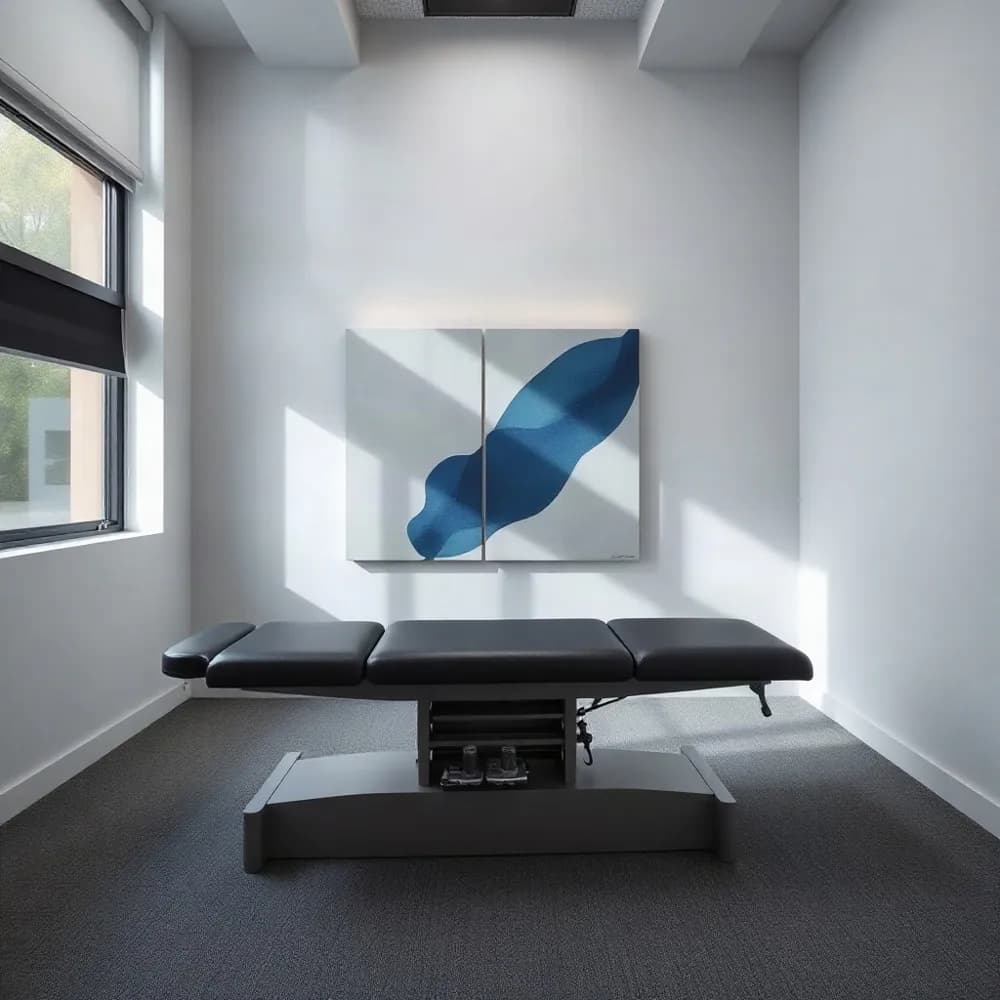
The procedure is designed for comfort, utilizing a harness system and a computer-controlled table. Sensors in these systems monitor patient feedback, allowing for real-time adjustments that prevent the involuntary muscle guarding often triggered by manual traction. Most patients report the sensation as a gentle, rhythmic stretch rather than pain. Because you remain in control of the device, the process is inherently adjustable to your specific tolerance and needs.
What are the common side effects and risks of non-surgical spinal decompression?
While severe problems are uncommon, as research published in PMC highlights, patients should remain aware of potential reactions. The most frequent side effects are mild and transient, typically consisting of temporary muscle soreness or stiffness similar to the adjustment period following a new exercise regimen. Rare occurrences of muscle spasms or a brief increase in nerve-related symptoms can occur, but these are generally manageable. Relying on professional clinical evaluation is the most effective way to address potential risks and ensure that this therapeutic approach aligns with your long-term health goals.
Durability of Results and Long-Term Spinal Maintenance
How long do the results of spinal decompression last, and is it a permanent fix? While spinal decompression can provide significant, long-term relief for many patients, it is important to recognize that it is not inherently a permanent cure. Because the treatment does not stop the natural aging process or halt progressive conditions like arthritis and disc degeneration, new symptoms can potentially develop over time.
Research indicates that a high percentage of patients report lasting success, with some studies demonstrating continued pain reduction and even physical disc improvement one year after treatment. At West Buffalo Chiropractic, we view decompression as just one component of a comprehensive care plan. The durability of your results depends heavily on factors such as the severity of your initial condition, your adherence to rehabilitation, and ongoing lifestyle habits.
Long-term spinal health requires proactive maintenance beyond the initial series of sessions. To preserve clinical improvements, our team at West Buffalo Chiropractic emphasizes the necessity of core strengthening and consistent posture correction. Treating the underlying source of pain through a multi-disciplinary approach that incorporates these active components significantly improves your chances of maintaining an active, pain-free lifestyle.
Clinical Reality: Financial Considerations and Self-Care Expectations
Can I perform spinal decompression exercises at home?
While you may find various at-home devices or stretches intended to mimic spinal decompression, these methods lack the precision of clinical-grade mechanical therapy. Professional spinal decompression is a specialized intervention designed to target specific spinal segments under calibrated conditions, which is difficult to replicate safely on your own. Relying solely on home methods without a clinical diagnosis may lead to ineffective results or potential injury, especially if you have underlying conditions like herniated discs or spinal stenosis. It is important to consult a provider like Dr. Francisco Vaquero at www.716chiropractic.com to determine the root cause of your pain. Professional care ensures that any traction techniques are performed safely and tailored specifically to your body.
Is non-surgical spinal decompression covered by insurance?
Insurance coverage for non-surgical spinal decompression varies significantly and remains often limited. Many carriers classify mechanical spinal decompression as investigational, meaning it is not always covered by private plans. However, some insurers may cover manual traction or other adjunctive therapies if included in a broader chiropractic treatment plan. Since policies differ by provider and diagnosis, you should contact your carrier directly to verify your benefits. To assist with expenses, www.716chiropractic.com accepts financing through CareCredit.
What is the typical cost of non-surgical spinal decompression therapy?
The cost of non-surgical spinal decompression therapy typically ranges from $30 to $250 per session, depending on the technology and the clinic location. Most patients require a comprehensive course consisting of 12 to 30 sessions, resulting in a total investment that generally falls between $750 and $5,000. These figures vary based on your specific condition and treatment complexity. Because insurance coverage for this conservative therapy is often limited, offices like www.716chiropractic.com provide flexible payment plans to ensure care remains accessible. Reach out for a consultation to receive a personalized treatment plan and a clear breakdown of potential costs.
Taking the Next Step Towards a Pain-Free Life
Recovery from chronic back pain is rarely the result of a single procedure. Instead, it is a consistent, multi-faceted journey that prioritizes accurate diagnosis and sustained care. Achieving lasting relief often requires a clear understanding of your spinal health through diagnostic imaging, which allows practitioners to identify the precise structural issues causing your discomfort.
At West Buffalo Chiropractic, we focus on creating individualized treatment plans that integrate advanced methods like non-surgical spinal decompression with targeted adjustments and core stabilization. By tailoring every session to your body's specific response, we help ensure your long-term success rather than seeking a temporary fix. Unlike generic approaches that treat all symptoms the same, our team uses a patient-centered model to address the underlying mechanics of your pain.
Taking the next step toward a more active, pain-free life begins with an honest evaluation of your progress and needs. We encourage you to visit www.716chiropractic.com today to book a professional consultation. Our staff is ready to help you map out a path to recovery that respects your unique health history and goals for functional improvement.