Discovering Non Invasive Relief for Stubborn Back Pain
Chronic back and neck pain often stem from disc-related issues, such as herniated or bulging discs that exert pressure on spinal nerves. This compression frequently results in persistent aching, numbness, or shooting pain, which can severely limit daily mobility. When these symptoms arise, finding a path to relief without resorting to invasive surgical intervention is the priority for many patients living in the Buffalo area.
At West Buffalo Chiropractic, the professional approach led by Dr. Francisco Vaquero prioritizes a whole-person strategy to spinal wellness. Rather than focusing solely on symptom suppression, the clinic integrates manual spinal adjustments with targeted therapies. This personalized care helps move patients away from the reliance on pharmaceutical pain management, addressing the underlying mechanical misalignments that cause discomfort.
Opting for non-surgical pathways like spinal decompression therapy offers significant long-term advantages. By gently stretching the spine to create negative pressure, this approach promotes nutrient flow and retraction of disc material without the lengthy downtime associated with surgery. Choosing conservative care allows for sustained functional improvement, helping patients recover range of motion and return to active lives more effectively.
Clinical Efficacy of Decompression for Herniated and Bulging Discs
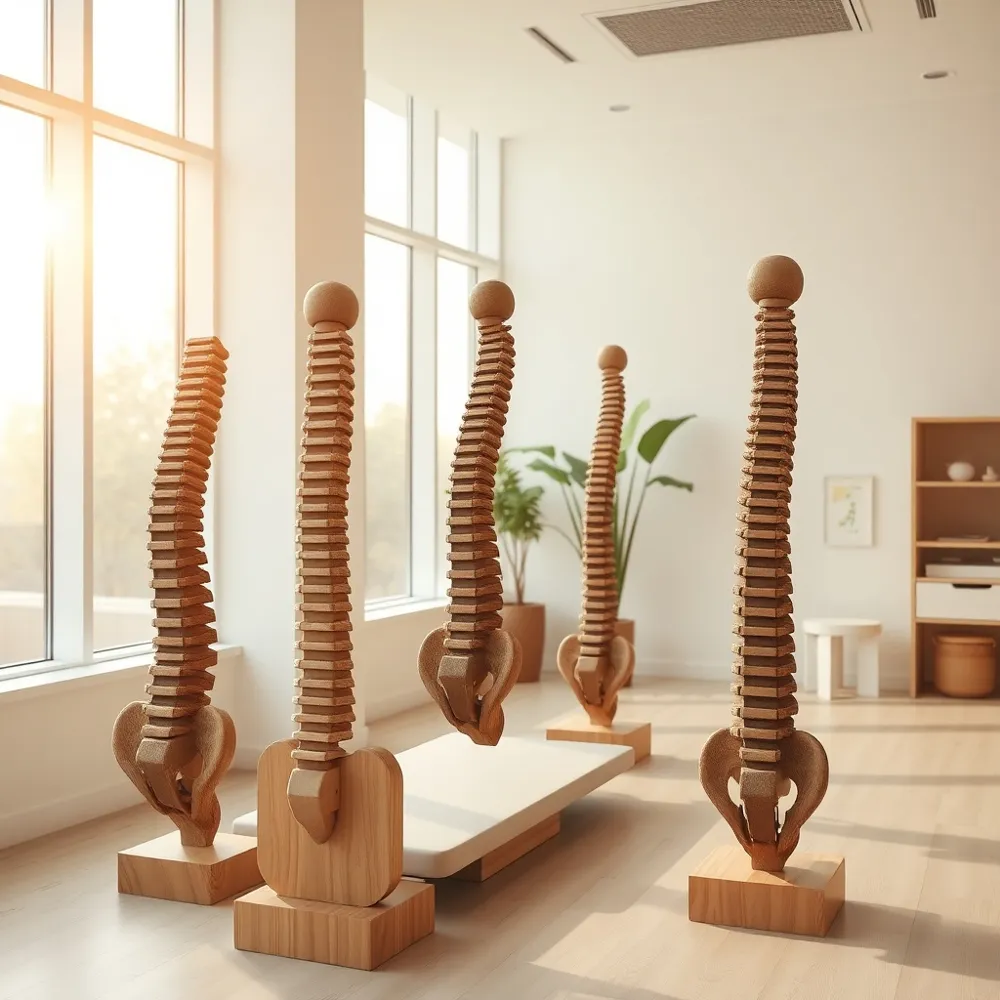 Herniated or bulging discs often disrupt the body by exerting pressure on the spinal cord and nearby nerves. This compression frequently manifests as shooting pain, numbness, tingling, or weakness in the limbs, significantly hindering daily movement. When structural issues arise, nonsurgical spinal decompression acts to relieve this neural irritation by creating negative pressure within the spinal canal, which encourages herniated material to retract and restores essential blood flow to damaged tissues.
Can chiropractors effectively treat herniated and bulging discs?
Yes, chiropractors are highly effective at managing pain and restoring function for patients suffering from herniated or bulging discs. By utilizing gentle spinal adjustments and advanced therapies like spinal decompression, Dr. Francisco Vaquero helps alleviate the nerve pressure caused by disc displacement. These non-invasive treatments focus on improving spinal alignment and reducing inflammation, which allows the body to heal more efficiently. Rather than just masking symptoms, our whole-person approach at www.716chiropractic.com addresses the underlying biomechanical issues that contribute to disc-related discomfort. Consequently, many patients experience significant relief from radiating pain, numbness, and limited mobility without the need for surgery or medication.
Research underscores the value of these conservative interventions. A clinical study documented that nonsurgical spinal decompression contributes to substantial functional improvements and a reduction in herniated disc volume compared to control groups. Similarly, personalized chiropractic care has shown high success rates, with studies indicating that 90% of patients experience improvement in pain and disability scores. By integrating manual adjustments with specialized decompression equipment, practitioners can provide a targeted approach that supports long-term recovery and spinal integrity.
The Mechanics of Spinal Decompression Therapy
 Spinal decompression therapy is a non-invasive, motorized traction treatment that uses a computer-controlled table to apply gentle, cyclical stretching forces to the spine. This system allows for precise adjustments to the force and angle of traction, which helps relax paravertebral muscles and enables a more effective, targeted application of decompression force than traditional manual methods.
The primary goal is the creation of a vacuum-like, negative pressure within the intervertebral spaces. As the spine is slowly elongated, this drop in pressure encourages herniated or bulging disc material to retract toward the center of the disc. By reducing this intradiscal pressure, the therapy relieves direct compression on spinal nerves, which is often the physical mechanism behind shooting pain, numbness, and tingling in the limbs.
Beyond addressing structural alignment, this therapy supports the biological recovery of damaged tissue. The sustained negative environment facilitates the diffusion of oxygen, water, and nutrient-rich fluids into the disc structure, which promotes a healthy healing environment for degenerated or injured segments. Clinical research suggests that such non-surgical interventions can significantly reduce herniated disc volume, aiding in functional restoration and pain reduction.
At West Buffalo Chiropractic, this computerized approach allows for highly personalized treatment plans that account for a patient's specific body mass and the target level of the injury. By integrating this therapy with manual adjustments and rehabilitation, the clinic helps patients address the root causes of disc issues without the need for surgical intervention.
Navigating Treatment Timelines and Patient Expectations
 Recovery from spinal nerve compression is a progressive journey. While surgical interventions often require long recovery windows, non-surgical spinal decompression therapy allows patients to maintain daily activity throughout their care. Most clinical protocols recommend a consistent series of sessions over several weeks to effectively increase disc hydration and reduce herniation volume.
How long does it typically take to recover from or see success with decompression treatments?
At West Buffalo Chiropractic, our non-surgical spinal decompression treatments typically require a structured course of care to achieve the best results. Most patients begin to feel noticeable relief within the first few weeks, though the full protocol generally spans several weeks of consistent sessions. Because every patient responds differently based on the severity of their injury, Dr. Vaquero will develop a personalized plan tailored to your specific needs. It is important to remember that this process is a restorative therapy designed to improve spinal function over time rather than a single, immediate fix. By adhering to the recommended treatment schedule, you can work toward lasting pain relief and improved mobility.
Patients often inquire about what to expect during their sessions. Unlike the sudden adjustments experienced during manual spinal manipulation, decompression is designed to be gentle and gradual. The computer-controlled system measures muscle tone to prevent guarding, ensuring that the spine relaxes into the stretch. While the procedure is generally painless, some individuals report a sensation of mild muscle soreness immediately following a visit, similar to how the body reacts after a fitness workout.
- Consistent attendance is vital for nonsurgical spinal decompression to facilitate long-term disc retraction.
- Treatment plans at West Buffalo Chiropractic often pair decompression with soft tissue work to address surrounding muscle tension.
- Clinical outcomes, such as reduced leg pain and improved daily function, frequently improve steadily between weeks two and eight of a standard care program.
Comparing Professional Care Versus Home Management
While over-the-counter tools like inversion tables and targeted yoga routines often promise quick relief for back pain, these methods lack the sophisticated calibration of clinical systems. Professional spinal decompression therapy utilizes computer-controlled equipment that precisely targets individual discs. By contrast, home-based gravity methods may inadvertently increase blood pressure or pose risks to those with underlying health concerns, such as glaucoma, fractures, or spinal implants.
At West Buffalo Chiropractic, we recognize that self-care is a foundational element of long-term health, yet it cannot replicate the safety of supervised clinical intervention. Our practitioners avoid the one-size-fits-all risks associated with DIY traction by conducting comprehensive physical examinations. These diagnostic evaluations ensure that any recommended movement or therapy is suited to your specific anatomy, unlike generalized home routines that might aggravate undiagnosed conditions.
Is home-based spinal decompression safe or effective?
While gentle stretches and dedicated movement habits can support daily comfort, they function best as supplements to, rather than replacements for, professional care. A 2024 study highlights that personalized chiropractic care for lumbar disc issues consistently outpaces non-treated control groups, demonstrating the necessity of targeted focus. When pain remains stubborn or symptoms persist, relying solely on home tools may postpone necessary medical intervention. A thorough clinical screening is essential to confirm that your spine is healthy enough for traction, providing a safer alternative to the high-risk guesswork inherent in unsupervised home devices.
Diagnostic Procedures and Candidacy for Decompression
Before starting any treatment, providers must identify the specific source of back pain. Clinical practice utilizes various diagnostic tools, including X-rays, MRIs, CT scans, and electrical nerve tests, to determine whether a patient is a viable candidate for spinal decompression therapy. These imaging techniques allow practitioners to assess the severity of spinal issues, such as herniated discs or spinal stenosis, before finalizing a treatment plan.
Not every patient qualifies for this approach. Dedicated facilities like West Buffalo Chiropractic perform rigorous screening to account for contraindications that might prevent treatment. Patients with conditions such as spinal fractures, tumors, abdominal aortic aneurysms, advanced osteoporosis, or existing surgical spinal hardware generally should not undergo motorized traction. At West Buffalo Chiropractic, the diagnostic process emphasizes a whole-person review, ensuring that any chosen intervention is both safe and tailored to the individual's history.
What are the common pros and cons of professional spinal decompression therapy?
Professional spinal decompression therapy offers a non-surgical, minimally invasive alternative to traditional surgery, effectively reducing nerve pressure and pain without the need for medication. Many patients report improved mobility, better posture, and overall spinal alignment following a personalized course of treatment. However, potential drawbacks include the commitment of attending multiple sessions and the reality that individual results can vary significantly. Furthermore, some medical experts emphasize that scientific evidence supporting its routine use remains limited compared to other well-studied interventions, making it essential to consult with a provider to ensure it is appropriate for your specific condition. Because not all spinal issues are suitable for this therapy, a thorough evaluation is necessary to determine if it is the right path for your recovery.
Financial Considerations and Insurance Navigation
How can patients manage the costs and insurance coverage for decompression therapy?
Understanding the financial commitment of professional care is an important step when seeking relief for chronic spinal issues. Many insurance providers classify non-surgical spinal decompression as an experimental or elective procedure, which frequently results in limited or no coverage under standard medical plans. Consequently, most patients manage the treatment as an out-of-pocket investment in their long-term health.
At West Buffalo Chiropractic, we believe that effective pain management should remain accessible. We prioritize transparency regarding all costs, ensuring you understand the value provided by our personalized diagnostic and therapeutic sessions before you begin. To support your recovery journey, we offer flexible payment solutions, including CareCredit financing options, which allow patients to spread expenses into manageable monthly installments.
While generic clinics may leave patients to interpret complex insurance policies alone, our team actively assists in navigating these financial details. We encourage you to consult with our staff during your initial evaluation to discuss your specific budget and program needs. By combining patient-centered care with flexible financing, we aim to deliver high-quality, non-invasive relief without the administrative barriers often found in larger, rigid hospital systems.
Taking the First Step Toward a Pain Free Future
Overcoming chronic back pain requires more than just masking symptoms. Integrating spinal decompression therapy with personalized manual adjustments creates a holistic framework for recovery. This combination helps restore mobility and reduces nerve interference more effectively than isolated treatments, supporting the body's natural ability to heal damaged spinal tissues.
At West Buffalo Chiropractic, Dr. Francisco Vaquero and his team move beyond generic care protocols by focusing on the unique needs of every patient. Whether you are managing an auto injury or long-term disc degeneration, a professional evaluation is the most important step toward regaining your quality of life.
Proactive spine health is the foundation of a pain-free future. Visit www.716chiropractic.com today to schedule a consultation and begin your path toward lasting physical relief.