Beyond a Single Fix
Chronic back pain is generally pain that lasts three months or longer. It may ease for a time, then return in a flare, making its course difficult to predict. Johns Hopkins Medicine describes this pattern as common in chronic back pain.
The effects can reach beyond physical discomfort. Pain may limit movement and strength, disrupt sleep, lower mood, and make work or everyday activities harder. A care plan can therefore track function and quality of life alongside pain itself.
A whole-person approach considers possible physical, emotional, and lifestyle contributors rather than assuming one cause or one fix. Depending on the person, care may combine guided movement, self-management, stress support, or chiropractic treatment. West Buffalo Chiropractic offers personalized services including spinal adjustments, soft tissue therapy, rehabilitation, and spinal decompression.
Research reviews find spinal manipulation can be comparable to other recommended conservative options for some people, but evidence does not identify a single best approach for everyone. A review of chiropractic spinal manipulation supports viewing it as one possible part of broader care, not a guaranteed cure. Discuss options with a qualified health-care professional who can consider your symptoms, goals, and medical history.
Why Back Pain Can Persist
 Persistent back pain can have several contributors, and sometimes no single cause is clear. Muscle or ligament strain, an injury, repeated physical demands, poor posture, or reduced conditioning may all play a part. A clinician can assess possible causes and help guide care; Harvard Health’s overview of chronic back pain describes how evaluation may include a review of symptoms and medical history, along with an examination.
Changes in the spine can also contribute, including arthritis, age-related changes, bulging or herniated discs, and spinal stenosis, which is narrowing around the spinal canal or nerves. Irritation involving a disc or nerve may cause pain, numbness, or tingling that travels into a leg. Yet scan findings do not necessarily explain how much pain someone feels, so they need to be considered alongside symptoms and clinical assessment.
The lower back bears strain during lifting, and poor technique, such as twisting or bending at the waist, can stress muscles and other supporting structures. Excess weight may add strain, while tobacco use can affect back health and healing. These factors vary from person to person, so they are useful context for an assessment rather than proof of a specific cause.
Pain can also reflect interacting physical, emotional, and lifestyle factors, including activity levels, sleep, and stress. This broader view helps explain why discomfort may persist even when a single structural source is not apparent. At West Buffalo Chiropractic, care includes rehabilitation and soft tissue therapy alongside spinal services, allowing assessment and treatment planning to consider more than one potential contributor.
If symptoms continue, worsen, or interfere with daily activities, seek evaluation from an appropriate healthcare professional. Understanding likely contributors can help shape a plan, while avoiding the assumption that imaging alone tells the whole story.
Building an Individualized Care Plan
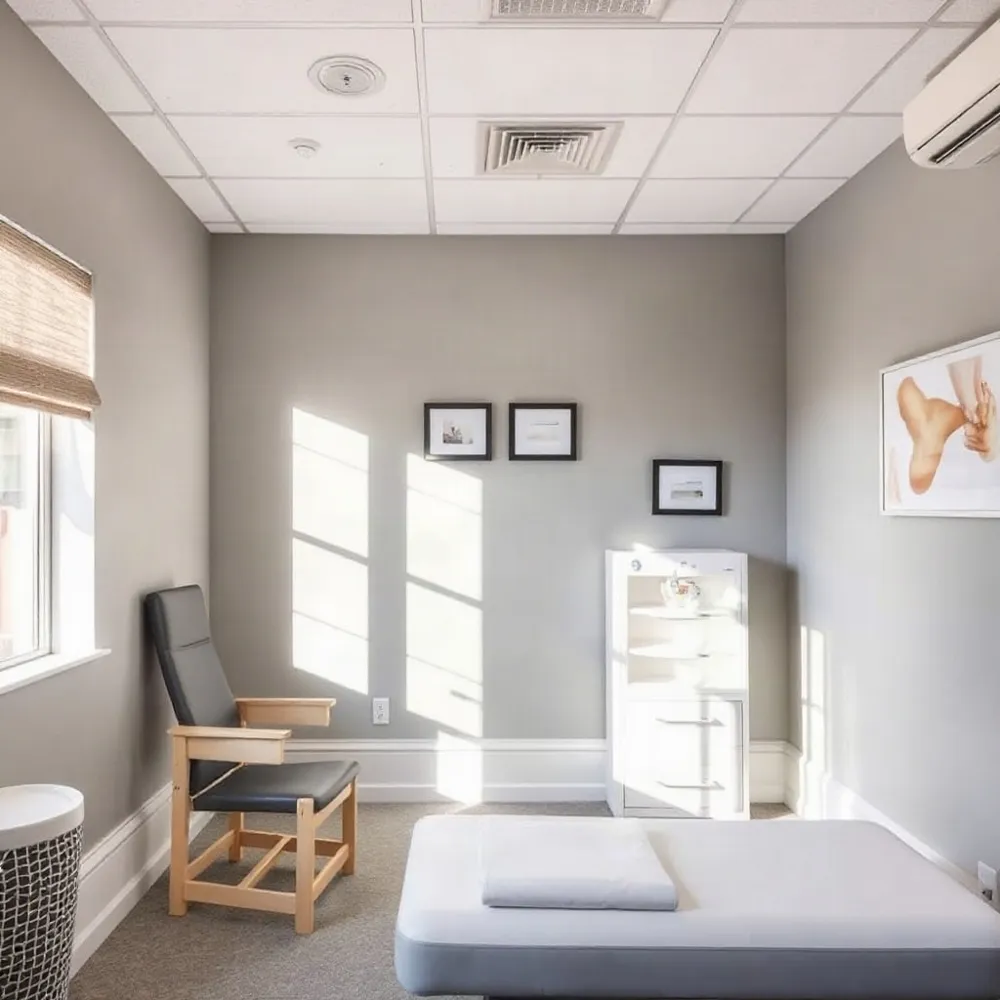 The right approach depends on the likely source of pain, symptoms, health history, and the activities a person wants to regain. A clinician can assess these factors and set goals around function, such as sitting comfortably or returning to regular walks, rather than focusing only on pain intensity. Severe or persistent pain warrants professional assessment.
Exercise-based physical therapy is commonly part of care. A therapist can tailor core strengthening, flexibility work, posture awareness, and a home activity plan to the person’s condition and comfort. The Johns Hopkins overview of nonsurgical back-pain care describes guided exercise and consistent home movement as options that should be adapted to individual needs.
For suitable patients, a plan may also include chiropractic adjustments or soft-tissue therapy. These are options to discuss with a qualified clinician, not guaranteed fixes or substitutes for an assessment. Research reviews find spinal manipulation can have outcomes similar to other recommended conservative treatments, including exercise, for chronic low back pain, without establishing one approach as best for everyone (review of spinal manipulation evidence).
At West Buffalo Chiropractic, care for chronic pain may include spinal adjustments, soft-tissue therapy, and rehabilitation. These services can be considered in the context of a person’s symptoms and goals, alongside other appropriate care. Medication may be discussed when needed, while injections are generally considered for selected cases and may provide temporary relief. Surgery is usually considered after conservative options have not helped and evaluation identifies a correctable structural problem.
Progress should be reviewed so the plan can change if symptoms or function do not improve. Depending on the situation, coordination with a primary-care clinician, physical therapist, or specialist may help guide next steps. Seek urgent medical evaluation for new bowel or bladder problems, groin numbness, or worsening leg weakness.
Practical Self Care at Home
For many people, gentle movement is more helpful than staying in bed. Try short walks and ordinary activities as tolerated, adjusting the pace if symptoms increase. Prolonged rest can add stiffness, while gradual activity can help maintain function. Mayo Clinic Health System recommends staying active within comfort and building activity back gradually.
Heat or a cold pack may provide temporary comfort. Wrap either in a cloth to protect your skin, and do not fall asleep with a hot or cold pack in place. Follow a clinician’s advice if you have a condition that affects skin sensation or circulation.
Temporarily modify heavy lifting, twisting, or movements that clearly worsen symptoms, then return to them gradually as you feel able. When lifting, keep the load close and bend through your hips and knees rather than twisting. Posture, sleep position, mattress comfort, and pacing strenuous chores may also affect back strain. Take breaks during demanding tasks and divide heavier jobs into smaller steps. Mayo Clinic Health System’s back pain self-care guidance offers more practical suggestions.
At West Buffalo Chiropractic, rehabilitation and soft tissue therapy are among the services available for people seeking individualized support alongside home strategies. Contact a qualified health professional if pain is severe, worsening, persistent, or accompanied by concerning symptoms such as new weakness, numbness, or bowel or bladder changes. Johns Hopkins Medicine advises prompt evaluation for such warning signs.
Movement That Builds Support
Exercise can help maintain strength and function, but the right movements depend on a person’s symptoms, health, and comfort. Physical therapy may combine core strengthening, stretching, flexibility work, posture retraining, and gradual aerobic activity. These are common elements of chronic back pain care described by Johns Hopkins Medicine.
What exercises may help with chronic back pain? Depending on the person, gentle mobility movements, hip and core strengthening, stretching, and low-impact activity such as walking may be useful. Knee rolls, pelvic tilts, a gentle knee-to-chest stretch, and cat-camel movement are examples to discuss with a clinician or physical therapist, not a universal routine.
Start with a range of motion that feels manageable and build gradually. Avoid pushing through significant pain, and stop or modify a movement if it aggravates symptoms. A clinician or physical therapist can help tailor exercises to a person’s condition and goals. Persistent or severe pain, or pain that worsens with movement, warrants professional guidance before increasing activity.
A consistent home routine can help maintain strength between appointments. At West Buffalo Chiropractic, rehabilitation is among the services offered as part of personalized care, alongside options such as soft tissue therapy. The clinic’s broader approach can help patients discuss movement and treatment choices in the context of their symptoms and daily activities.
What Chiropractic Care May Involve
Chiropractic care may be one conservative option for chronic or upper back discomfort, particularly when movement is limited. Results vary, and evidence for spinal manipulation differs by condition. A review found that for chronic low back pain, spinal manipulation may have outcomes similar to other recommended conservative treatments, such as exercise-based care, rather than being a guaranteed or uniquely effective solution (research review of spinal manipulation.
An initial visit commonly starts with questions about symptoms, health history, and activities affected by pain. The clinician may assess movement and other relevant findings to determine whether chiropractic care is appropriate or whether further evaluation is needed. Duke Health’s overview of chiropractic assessment describes this kind of history and movement assessment as part of an initial visit.
A plan can be tailored to a person’s needs and may include spinal manipulation or adjustments, soft-tissue therapy, rehabilitation exercises, and practical guidance for daily activities. Adjustments do not correct every possible cause of back pain, so care may be combined with other approaches. The aim can include easier movement and greater participation in everyday activities, not just a change in a pain score.
In Buffalo, West Buffalo Chiropractic is led by Dr. Francisco Vaquero, D.C. The clinic offers spinal adjustments, spinal decompression, soft-tissue therapy, rehabilitation, and ultrasound therapy. These are available services, not a promise of a particular result.
Progress should be reviewed over time, including changes in movement and daily function. If symptoms call for more evaluation or another type of care, coordination with or referral to an appropriate healthcare professional may be part of the next step.
Evidence Benefits and Safety
Spinal manipulation is one conservative option for low back pain, not a treatment with a guaranteed result. A research review found that, for nonspecific or chronic primary low back pain, outcomes may be similar to those of recommended approaches such as exercise-based care and physical therapy. The findings do not show that manipulation is the best choice for every person. The review of spinal manipulative therapy also notes that evidence for effects beyond placebo or sham treatment remains uncertain.
For this reason, manipulation is often considered alongside other conservative measures, including exercise, education, advice, and self-management, rather than as a cure or a uniquely superior approach. West Buffalo Chiropractic offers spinal adjustments as part of a broader range of services that includes rehabilitation and soft tissue therapy. The choice of care should reflect a person’s symptoms, health history, preferences, and functional goals.
As with other hands-on treatments, temporary soreness or stiffness can occur. Safety depends on individual health factors as well as the techniques selected, so tell the practitioner about medical conditions, prior injuries, medications, and any concerns before treatment. Ask what a proposed technique involves, what benefits are realistic, and what risks or alternatives may apply. A clinician should adapt or avoid techniques when appropriate.
Seek prompt medical assessment if symptoms are severe, worsening, or accompanied by new problems such as weakness, numbness, or changes in bowel or bladder control. Johns Hopkins Medicine’s guidance on chronic back pain describes these as reasons for in-person evaluation. A chiropractor or other qualified health-care professional can help determine whether conservative care is suitable or whether further assessment is needed.
The Whole-Person Picture
Chronic back pain can reach beyond physical discomfort, affecting sleep, mood, stamina, relationships, and participation in everyday activities. Stress and emotional strain can also interact with the pain experience, so care may need to consider more than symptoms in the back. A whole-person approach to chronic low back pain considers physical, emotional, social, and environmental factors alongside movement and self-management.
Mindfulness, meditation, deep breathing, tai chi, and yoga are options that may help some people manage stress and cope with persistent pain. These practices are not cures, and preferences and abilities differ. At West Buffalo Chiropractic, care includes rehabilitation alongside chiropractic services, allowing movement and functional needs to be considered as part of an individualized plan.
Daily routines may also matter. Sleep habits, posture, and pacing activities can be useful areas to review with a healthcare professional. UCLA Health discusses lifestyle adjustments, physical therapy, and mindfulness as complementary parts of lower back pain management, rather than suggesting one approach works for everyone (UCLA Health’s guidance). An eating pattern centered on lean proteins, fruits, and vegetables, with fewer sugars and processed foods, may support general health, but should not be treated as a cure.
Acupuncture, massage, biofeedback, and electrical nerve stimulation are other options to discuss with a healthcare professional. Suitability depends on a person’s symptoms, health history, and treatment goals. The team at West Buffalo Chiropractic offers soft tissue therapy and ultrasound therapy, but complementary services should be considered in context and coordinated with other care when appropriate.
Rather than focusing only on a pain score, set realistic functional goals, such as returning to a valued daily activity, and make changes gradually. Walking or tailored exercise may help maintain function. Complementary approaches should support, not replace, medical evaluation or other recommended treatment; discuss changes with the care team.
Recognizing Urgent Warning Signs
 Most back pain can be discussed at a routine appointment, but certain new symptoms call for urgent medical attention. Seek emergency care for new loss of bowel or bladder control, difficulty urinating, numbness around the groin or inner thighs, sudden or worsening weakness or numbness, or trouble walking. Johns Hopkins Medicine lists these symptoms as reasons for urgent in-person evaluation.
Severe back pain after a major accident or injury also needs prompt assessment. Get urgent medical help for back pain accompanied by fever or chills. Sudden, severe abdominal pain, especially with faintness or cold sweats, should also be treated as urgent. These signs do not identify a cause on their own, but they should not be managed only with home care.
Pain that persists, worsens, or remains unrelenting deserves professional assessment even when none of these emergency signs are present. A clinician can review symptoms and decide whether further evaluation is needed. At West Buffalo Chiropractic, care for chronic pain includes personalized chiropractic services such as spinal adjustments, soft tissue therapy, and rehabilitation; urgent symptoms should be assessed by emergency medical services or an appropriate medical clinician first.
A Plan Built Around Function
Managing persistent back pain often means combining approaches and adjusting the plan as symptoms and daily needs change. Research reviews describe spinal manipulation as one option that may perform similarly to other recommended conservative care, including exercise, rather than a guaranteed or universally best solution (review of spinal manipulation research).
Discuss your symptoms, health history, and practical goals with an appropriate healthcare professional. A useful goal might be returning to a valued activity, not only lowering a pain score. Seek urgent medical help for new bowel or bladder problems, groin numbness, worsening weakness, or trouble walking or balancing, as Johns Hopkins Medicine’s guidance identifies these as warning signs.
In Buffalo, West Buffalo Chiropractic offers personalized care that may include spinal adjustments, decompression, soft tissue therapy, rehabilitation, and ultrasound therapy. These are clinic services, not evidence of a guaranteed result; discuss whether any option fits your needs with a qualified clinician.