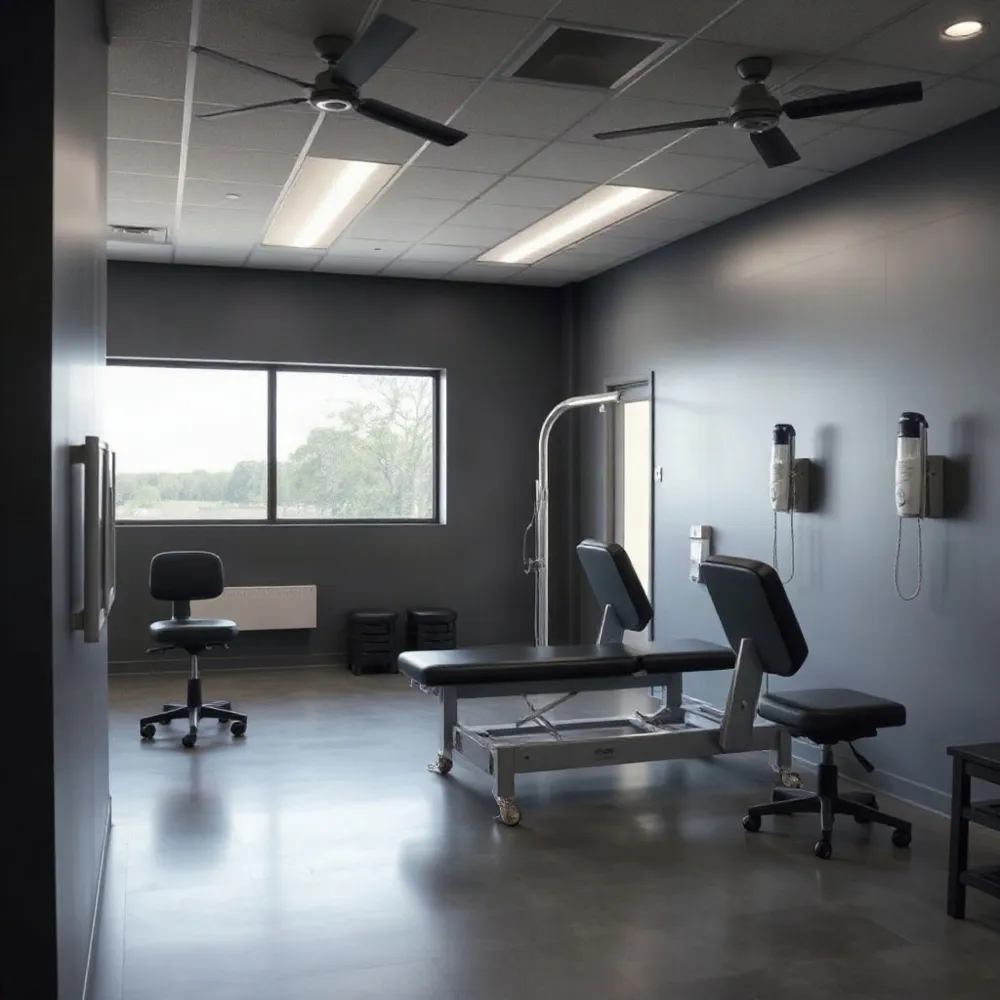
Integrating Soft Tissue Care into Modern Rehabilitation
Effective physical rehabilitation requires more than just focusing on bone and joint alignment. At www.716chiropractic.com, Dr. Francisco Vaquero, D.C. employs a whole-person approach that treats the entire musculoskeletal system as an interconnected network. While spinal adjustments address skeletal restrictions, soft tissue therapy is equally essential for resolving the muscular imbalances, trigger points, and fascial tightness that often cause joint misalignment in the first place.
Muscles, tendons, ligaments, and fascia provide the structural stability necessary for movement. When these tissues sustain damage from acute trauma or repetitive strain, they often form dense adhesions that limit flexibility and disrupt normal mechanics. Research published in the PMC indicates that techniques like deep tissue massage restore function by improving blood circulation and facilitating the removal of metabolic waste. By integrating these methods into personalized care plans, West Buffalo Chiropractic ensures that patients do not just achieve short-term relief, but also restore the tissue quality required for long-term health.
What is Soft Tissue Therapy and How We Incorporate It
 Soft tissue therapy serves as a foundational component of modern rehabilitation, focusing on the muscles, tendons, ligaments, and fascia that support the skeletal system. Rather than addressing bones in isolation, this manual approach targets the dense fibrous adhesions and trigger points that often develop following acute trauma or repetitive overuse. By applying precise pressure and movement-based techniques, practitioners aim to restore natural tissue pliability and reduce the protective muscle guarding that frequently accompanies chronic pain.
At West Buffalo Chiropractic, led by Dr. Francisco Vaquero, D.C., soft tissue therapy is integrated into a whole-person treatment model that prioritizes functional recovery. By addressing the soft tissues first, the clinic ensures that tight, inflamed muscles do not pull joints out of alignment or hinder the efficacy of subsequent spinal adjustments. This coordinated approach allows the body to maintain stability and promotes a more efficient healing environment compared to isolated joint manipulation.
Clinical rehabilitation at www.716chiropractic.com frequently pairs these manual techniques with other specialized modalities to enhance patient outcomes. For instance, mechanotherapy uses repetitive force to clear inflammatory cytokines from injured areas, which can double the rate of muscle regeneration in some cases. By combining these targeted interventions with chiropractic care, patients experience faster relief from conditions ranging from sports injuries to auto accident recovery, effectively interrupting the cycle of tension and immobility that often persists after injury.
| Therapy Type | Primary Goal | Clinical Benefit |
|---|---|---|
| Manual Release | Restore tissue glide | Reduced trigger points |
| Instrument Assisted | Break down adhesions | Faster collagen repair |
| Chiropractic Adjust | Improve joint motion | Enhanced neural function |
Understanding the Mechanisms of Soft Tissue Healing
What are the four stages of soft tissue healing?
The human body follows an intricate biological blueprint when repairing damaged muscles, tendons, and ligaments. This process unfolds in four distinct, overlapping stages that work to restore structural integrity. The sequence begins with hemostasis, where the body initiates blood clotting and vasoconstriction to prevent excessive bleeding. This leads into the inflammation phase, a critical period during which increased vascular permeability allows the body to clear cellular debris and pathogens from the injury site.
Once the area is stabilized, the proliferation phase begins. During this stage, the body focuses on rebuilding by forming granulation tissue and developing a new network of blood vessels to support the repair. The final stage is maturation and remodeling, where the newly deposited fibers are restructured and strengthened. At www.716chiropractic.com, these biological phases are supported through personalized care plans that ensure the body does not get stuck in a cycle of inflammation, which often leads to the formation of dense, restrictive scar tissue.
How long does it typically take for soft tissue injuries to heal?
Recovery timelines are rarely uniform, as they depend heavily on the severity of the trauma, the tissue type, and the patient's overall health. While minor strains may show significant improvement within a few weeks, more complex injuries often require a structured approach spanning up to six months for full functional recovery. Returning to high-impact activities before the maturation phase is complete can lead to chronic complications, including joint instability or the development of compensatory movement patterns.
To navigate these complexities, West Buffalo Chiropractic utilizes a whole-person approach that integrates soft tissue therapy alongside targeted rehabilitation exercises. By facilitating these natural healing stages, clinicians at West Buffalo Chiropractic help patients minimize the risk of re-injury and ensure that tissues regain their strength and flexibility. Whether dealing with a recent auto injury or chronic sports-related stiffness, receiving professional guidance throughout the proliferation and remodeling phases is essential for avoiding long-term, painful outcomes.
Primary Benefits and Clinical Outcomes of Therapy
 Soft tissue therapy provides a range of benefits, including reduced pain, decreased muscle tension, and improved circulation. By targeting deep muscle injuries and connective tissues, it helps break down scar tissue and myofascial trigger points (knots) that often restrict movement. This manual approach stretches and lengthens tissue, which effectively increases flexibility and restores a full range of motion. Furthermore, the therapy promotes the regeneration of healthy tissue and accelerates injury recovery for conditions like tendonitis, sprains, and repetitive stress injuries. By addressing these underlying issues, soft tissue therapy supports better muscle function and overall physical well-being.
At www.716chiropractic.com, the clinical approach integrates these manual techniques to maximize physiological outcomes. Research suggests that deep tissue massage improves circulation, which accelerates the delivery of oxygen and nutrients to damaged cells while assisting in the removal of metabolic waste products like lactic acid. This process is essential for patients managing chronic pain or recovering from intense physical exertion.
Beyond basic recovery, the therapy serves as a tool for performance optimization. By stimulating mechanoreceptors, treatment sessions can promote the release of serotonin and dopamine, signaling the nervous system to decrease protective muscle guarding. This creates a lasting impact on movement confidence and functional capability. Unlike passive rest, which may result in tissue contracture, an active program at West Buffalo Chiropractic ensures that load is managed correctly to restore strength and flexibility.
| Benefit | Clinical Outcome | Physiological Mechanism |
|---|---|---|
| Mobility | Increased range of motion | Resolving myofascial adhesions |
| Recovery | Accelerated tissue repair | Improved vascular circulation |
| Pain Relief | Reduced chronic sensitivity | Downregulating pain signaling |
Specialized Techniques: The Graston Technique
 For patients seeking targeted relief from chronic adhesions and scar tissue, the Graston Technique serves as a specialized form of instrument-assisted soft tissue mobilization (IASTM). At www.716chiropractic.com, clinicians use custom-designed stainless steel tools to methodically scan the body for areas of fascial restriction or tissue dysfunction. These instruments are uniquely engineered to act as an extension of the practitioner's hands, allowing for precise detection of fibrotic tissue that might otherwise remain inaccessible during standard manual therapy.
What is the Graston Technique and how is it used?
The Graston Technique works by applying controlled microtrauma to injured or restricted tissues such as muscles, tendons, or fascia. This specific application of force is essential for initiating the body's natural healing response. By deliberately creating these micro-level signals, the process stimulates the breakdown of disorganized scar tissue and fascial adhesions that contribute to restricted movement and pain. This mechanism triggers the body to initiate a fresh repair cycle, effectively replacing damaged fibers with healthier, more pliable tissue.
Beyond the structural breakdown of adhesions, this method promotes significant physiological improvements in the treated area. The application of these tools increases local blood flow, ensuring that oxygen and essential nutrients are delivered to the site to accelerate tissue regeneration. At West Buffalo Chiropractic, the Graston Technique is often integrated into a comprehensive care plan that combines these specialized mobilization methods with chiropractic adjustments. This synergistic approach helps reduce soft tissue restrictions that would otherwise pull joints out of alignment, ultimately restoring mobility and providing more effective, long-lasting relief for chronic pain and sports injuries.
Holistic Approaches to Chronic Pain Management
Effectively managing chronic pain through holistic treatments requires a multi-faceted approach that addresses both physical mechanics and nervous system regulation. At West Buffalo Chiropractic, we focus on a whole-person approach that combines targeted spinal adjustments with specialized soft tissue modalities to restore natural movement patterns and decrease protective muscle guarding. By stimulating mechanoreceptors, these treatments can help quiet the nervous system, effectively downregulating the pain signals that often contribute to heightened sensitivity in chronic conditions.
How can you effectively manage chronic pain through holistic treatments?
Beyond manual adjustments, integrated care often includes complementary therapies to facilitate recovery and improve quality of life. Ultrasound therapy generates deep heat to increase blood flow and reduce inflammation in dense connective tissues. This is frequently paired with corrective exercise programs that address core stability and postural imbalances, preventing the compensatory patterns that lead to future injury. Regular, consistent application of these strategies helps remove metabolic waste, such as lactic acid, while simultaneously promoting cellular repair to improve overall joint flexibility and range of motion.
Can soft tissue damage be permanent, and how can recovery be accelerated?
Severe or chronic soft tissue damage, such as untreated tendonitis or dense scar tissue buildup, can lead to long-term complications like joint instability and chronic pain if left unaddressed. Because these issues do not always appear on standard diagnostic imaging, professional assessment is vital to identify underlying fascial restrictions. To accelerate recovery, early intervention is essential to prevent dysfunctional tissue from shortening or becoming permanent. By utilizing specialized deep tissue massage and functional movement retraining, patients can proactively mitigate these long-term impacts and restore their baseline physical function.
Patient Safety and Finding Quality Care
Selecting a provider for musculoskeletal health requires diligence, as quality care hinges on personalized protocols rather than generic solutions. At West Buffalo Chiropractic, the clinical process begins with a detailed medical history and physical assessment to identify the root cause of discomfort. This evidence-based foundation is essential, as any practitioner proposing treatment without first evaluating your unique symptoms or history warrants significant caution.
What are common red flags to look for when seeking chiropractic care?
When evaluating potential clinics, be wary of providers who promise instant or permanent cures. Legitimate rehabilitation follows a gradual, science-backed progression. Avoid practices that rely on fearmongering tactics or use excessive imaging to secure long-term, pre-paid contracts. You should also be cautious of any facility that applies a one-size-fits-all approach instead of tailoring care to your specific condition.
Prioritize practitioners who communicate openly about your progress and demonstrate a willingness to coordinate with other healthcare professionals. At West Buffalo Chiropractic, Dr. Francisco Vaquero, D.C. ensures that every treatment plan integrates necessary soft tissue work and adjustments to align with your specific rehabilitation needs. If a clinic fails to offer clear, goal-oriented recovery benchmarks, consider seeking a second opinion.
- Does the provider conduct a comprehensive assessment before initiating any spinal adjustments or therapy?
- Are the treatment goals clearly defined, and do they include milestones for measuring improvement?
- Is the practice transparent about potential outcomes and the expected duration of the recovery process?
- Does the provider integrate multiple modalities, such as manual therapy and movement exercises, for a holistic outcome?
Moving Toward a Healthier Future at West Buffalo Chiropractic
Prioritizing early intervention for soft tissue discomfort is essential to prevent long-term complications, such as chronic inflammation or permanent loss of range of motion. Addressing minor strains and overuse injuries before they develop into complex, multi-layered issues is central to the philosophy at West Buffalo Chiropractic. By identifying subtle movement restrictions early, patients can avoid the cycle of compensatory pain and ensure faster, more complete recovery.
Dr. Francisco Vaquero, D.C., leads a team committed to a whole-person approach that treats the specific needs of every individual rather than relying on generic protocols. This personalized care combines targeted soft tissue therapies, such as the Graston Technique and myofascial release, with corrective spinal adjustments and rehabilitation exercises. By integrating these modalities on www.716chiropractic.com, patients receive a comprehensive strategy designed to restore mobility, optimize musculoskeletal health, and support long-term wellness.
Whether dealing with a recent sports injury, managing the daily physical strain of a desk job, or recovering from an auto accident, proactive treatment makes a difference. Take the first step toward restoring your quality of life by booking an initial evaluation on www.716chiropractic.com today to develop a customized recovery plan.