The Foundation of Athletic Recovery and Consistent Home Rehabilitation
Achieving a successful recovery after a sports injury requires more than just occasional effort. Consistency acts as the primary driver for restoring tissue strength and mobility, as rehabilitation is fundamentally a repetitive process that builds functional stability over time. While many programs emphasize intensity, current sports rehabilitation protocols highlight that steady progress through structured, daily exercises is what produces long-term results.
Before starting any new home regimen, it is important to consult a healthcare provider to ensure the movements align with your specific injury. At West Buffalo Chiropractic, the care team emphasizes a whole-person approach that assesses individual movement patterns and biomechanics. This personalized strategy allows patients to receive guided home exercise sheets that target their specific needs, avoiding the generic programs that may exacerbate underlying issues.
Listening to Your Body During Recovery
Pain serves as an essential signal during your recovery journey. While exercises should challenge your muscles to build endurance, they must never cause sharp or lingering pain. If you experience discomfort, you should stop or adjust the activity immediately. Per Johns Hopkins Medicine, listening to your body when you are tired or in pain is a vital component of prevention and safe rehabilitation.
- Focus on restoring full range of motion before increasing resistance.
- Ensure proper form in every repetition to protect joint health.
- Integrate active rest days to allow for necessary tissue repair.
- Work with a professional to transition from basic movements to sport-specific drills.
Whether you are managing a minor strain or returning from a significant procedure, working under the guidance of a professional ensures safe and successful recovery. By following a structured plan, you can avoid the common pitfalls of improper training and eventually return to your athletic lifestyle with confidence and improved physical function.
Key Rehab and Prevention Facts
- Quad sets are a foundational knee rehab movement that activates the quadriceps without joint stress; hold contraction for 5 seconds, repeat 10-15 reps.
- Hamstring curls restore posterior thigh strength via controlled knee flexion; perform three sets of 10 reps per leg.
- Calf raises boost lower leg stability with eccentric control; progress from bilateral to single-leg raises.
- Straight leg raises are low-impact, engaging the quadriceps by lifting the leg 6 inches off the ground for 10-15 reps.
- Ankle alphabet exercises improve range of motion by tracing letters with the big toe, requiring no equipment.
- The R.I.C.E. protocol (Rest, Ice, Compression, Elevation) is immediate first aid for soft tissue injuries: ice for 10 minutes every 3 hours.
- Injury prevention includes dynamic warm-ups, managing training loads, and incorporating sport-specific strength.
- Home safety requires eliminating clutter, securing furniture, and installing smoke and CO detectors.
- Choose a chiropractor that uses a whole-person approach combining adjustments with evidence-based therapies like soft tissue therapy.
- West Buffalo Chiropractic offers personalized rehab with spinal adjustments, ultrasound therapy, and flexible scheduling via CareCredit.
1. Quad Sets for Quadriceps Strength and Knee Protection
 Recovering from sports injuries requires a structured approach that prioritizes safe movement and long-term joint health. Effective rehabilitation typically incorporates low-impact cardio, such as cycling, to maintain fitness without placing excessive stress on injured areas. Static stretching is essential for restoring flexibility, while targeted strength-building movements and core stability workouts help rebuild the muscle support necessary to prevent re-injury. Furthermore, balance and coordination training are critical for returning to full athletic performance. At West Buffalo Chiropractic, we emphasize personalized exercise rehabilitation plans tailored to your specific injury, ensuring you recover properly and regain your functional wellbeing under professional guidance.
Quad sets serve as a foundational movement for knee rehabilitation, focusing on building muscle activation without the joint stress associated with high-impact activities. These movements are essential for maintaining the integrity of the quadriceps, which act as a critical support system for the joint.
Executing the quad set movement
To perform this exercise correctly, sit on the floor or a firm surface with your injured leg extended straight in front of you. Focus on tightening your thigh muscle to the maximum capacity, aiming to press the back of your knee firmly into the floor. As you hold this contraction, ensure your ankle remains neutral and your breathing is steady.
- Sit upright with the target leg fully extended on a flat, supportive surface.
- Engage your quadriceps fully by flexing the muscle to stabilize the knee joint.
- Maintain the contraction for exactly 5 seconds before slowly releasing the tension.
- Repeat this holding sequence for 10 to 15 repetitions per session.
- Perform these sets multiple times throughout the day to ensure consistent muscle recruitment.
Consistent engagement is vital because it mimics the muscle recruitment patterns needed for daily activities while minimizing the risk of secondary strain common in other methods. If you experience sharp pain during these repetitions, discontinue the exercise and consult with a provider to adjust your Sports Medicine Physical Therapy Rehabilitation Protocols. For patients at West Buffalo Chiropractic, we guide you through these specific mechanics to ensure every repetition supports long-term recovery.
2. Hamstring Curls for Posterior Thigh Flexibility and Support
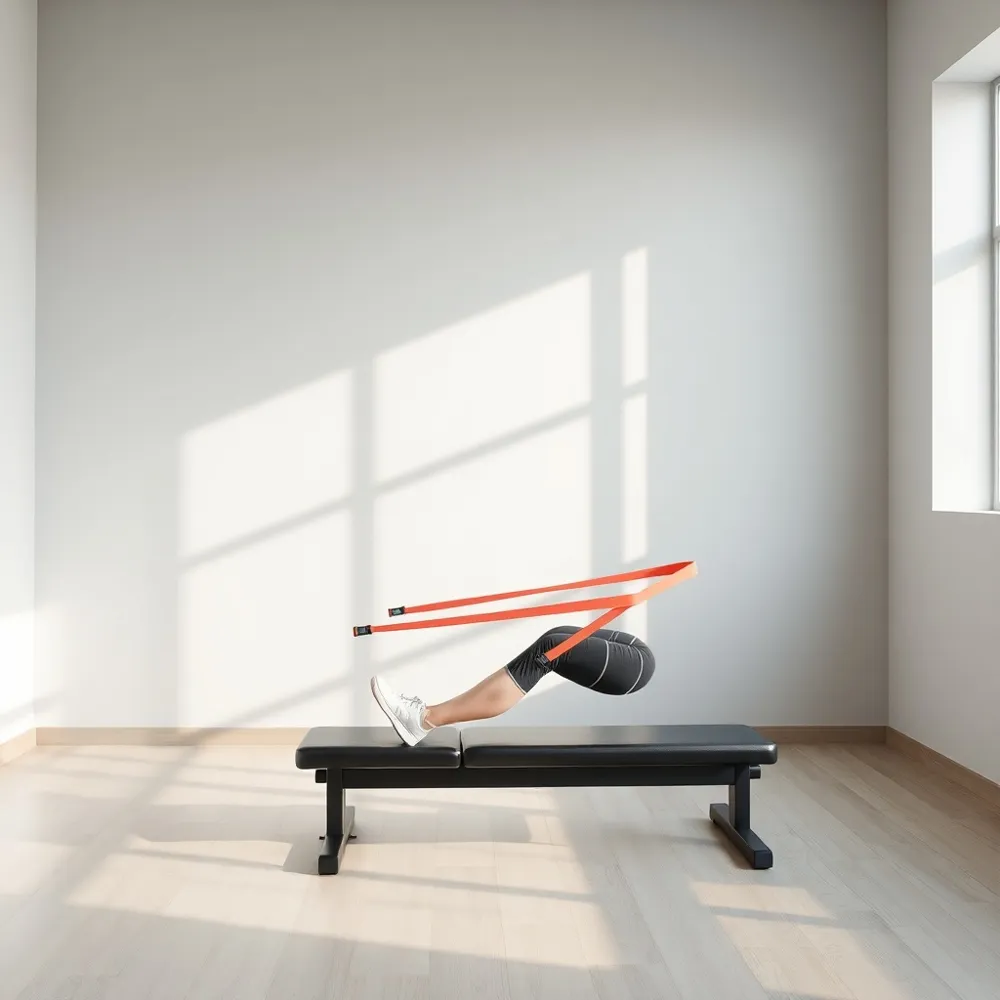 Restoring strength to the posterior thigh is a foundational goal in sports rehabilitation. Performing hamstring curls helps improve overall leg flexibility and provides critical support for the knee, which is often compromised during activity. At West Buffalo Chiropractic, we emphasize that moving through controlled flexion is safer for recovery than the rapid, high-impact movements often encouraged in general gym training.
To execute this exercise correctly, stand upright using a sturdy chair or a stable surface for support. Keep your weight distributed evenly while keeping your upper body still. Slowly bend one knee, bringing your heel toward your buttocks, and maintain a controlled pace rather than swinging the leg to gain momentum. This slow, deliberate movement allows for targeted muscle engagement without adding unnecessary strain to the joint.
Consistency is vital for seeing tangible results. A common, effective protocol involves completing three sets of 10 repetitions per leg. If you experience sharp pain or discomfort that persists during the motion, pause your activity and consult a professional to ensure your form is optimal. Incorporating regular strength-building and mobility exercises as part of a personalized treatment plan supports long-term function and helps minimize the risk of recurring strains.
3. Calf Raises to Boost Lower Leg Stability and Balance
 The calf muscles serve as a foundational support system for the entire lower extremity, playing a significant role in absorbing impact and maintaining balance during physical activity. When muscles in this region become weak, the risk of injury increases significantly, making calf raises an essential preventing sports injuries tool. At West Buffalo Chiropractic, we emphasize that building strength in these stabilizing muscles is just as important as protecting the joint itself, with our personalized rehabilitation plans often focusing on restoring this balance to reduce the risk of future strains.
Performing this exercise requires a focus on both phases of the movement. Start by standing on a flat surface, holding a stable chair or wall for support if needed. Rise onto the balls of your feet, focusing on a controlled, smooth vertical motion. The downward phase is equally important; you should lower your heels to the floor slowly rather than letting them drop rapidly. This eccentric control ensures that the muscle fibers are engaged throughout the entire range of motion, which is vital for building functional endurance.
- Aim for three sets of 10 to 15 repetitions daily to maintain consistent progress.
- Ensure your path of motion remains vertical to avoid shifting stress to the ankles.
- Listen to your body, as any sharp pain or discomfort is a signal to adjust your intensity or range of motion.
- Once you demonstrate steady balance with both legs, transition to single-leg calf raises to further increase difficulty and demand on your neuromuscular control.
Progression is a key pillar of effective recovery, as seen in structured sports rehabilitation protocols. While basic bilateral raises are perfect for the early stages of recovery, shifting to single-leg variations simulates the unilateral loading that occurs during running and jumping. This gradual increase in complexity helps prepare the tissue for the reintroduction of higher-intensity activities. Our clinic at 455 Niagara St. helps patients track these progressions, ensuring that each step of the home-based routine aligns with clinical outcomes and prevents the stagnation common in unsupervised programs.
4. Straight Leg Raises for Endurance Without Joint Stress
Straight leg raises serve as a foundational, low-impact exercise for individuals recovering from lower-body injuries. By requiring the patient to lie flat on their back, this movement keeps the spine neutral and eliminates the weight-bearing stress that often complicates knee recovery. This supine positioning allows for focused muscle activation while minimizing the risk of irritation to an inflamed joint.
The primary goal of this exercise is to engage the quadriceps muscles effectively without subjecting the knee to active flexion or extension under load. Proper technique involves keeping the leg perfectly straight, tightening the thigh muscles before initiating the lift, and slowly raising the leg approximately six inches off the ground. Maintaining this tension throughout the entire range of motion is critical for targeting the target muscle groups safely. If you require guidance on how to calibrate your specific movement patterns, the team at West Buffalo Chiropractic offers personalized rehabilitation programs that prioritize biomechanical health.
As with any sports rehabilitation protocol, consistency is the key to building muscle endurance. Patients typically perform 10 to 15 repetitions per leg to encourage tissue adaptation without overtaxing their system. This controlled, deliberate approach acts as a crucial intermediate step between early-stage injury rest and high-intensity sports medicine conditioning. Unlike standard gym routines that might prioritize maximum weight, this rehab-focused method emphasizes quality of contraction to support long-term joint stabilization.
| Phase | Focus | Clinical Goal |
|---|---|---|
| Early | Control | Swelling Reduction |
| Mid | Endurance | Muscle Activation |
| Late | Function | Sport Integration |
5. Ankle Alphabet Exercises for Improved Joint Range of Motion
The Ankle Alphabet serves as a gentle, equipment-free technique for mobilizing the ankle after injury. By using your big toe to trace each letter of the alphabet in the air, you move the joint through a full, multi-directional range of motion. This active recovery method is particularly beneficial for athletes recovering from sprained ankles who need to safely restore flexibility without adding external weight or resistance that might aggravate healing tissues.
At West Buffalo Chiropractic, we emphasize that consistent movement is vital for long-term health. Unlike heavy-loading protocols that might cause stress during the sensitive initial phases of recovery, the ankle alphabet helps reduce stiffness by promoting blood flow directly to the joint. Since it requires no special tools and takes only a few minutes to complete, you can easily incorporate several sets into your daily routine while sitting at a desk or relaxing on the couch.
Integrating daily practice
- Perform the movement slowly, focusing on using your entire ankle to lead the motion rather than just moving your toes.
- Stop immediately if you experience sharp pain or significant discomfort, as rehabilitation should be challenging but pain-free.
- Aim to complete the full alphabet once or twice per session to ensure meaningful gains in mobility over time.
- Consider pairing this with other recovery habits to stay consistent, treating your mobility work as a non-negotiable part of your athletic regimen.
While many gyms or physical therapy clinics utilize complex equipment to track progress, this simple method allows for self-monitored improvement. If you find your joint remains stiff after two weeks of consistent movement, a professional rehabilitation protocol might be necessary to address deeper structural issues.
Immediate First Aid for Sports Injuries
The R.I.C.E. protocol serves as a essential standard for self-care in the moments immediately following a minor soft tissue injury. Applying these steps early can help manage pain and control inflammation at the injury site.
What immediate first-aid steps should be taken at home following a sports injury?
Rest the affected area promptly, limiting movement to prevent additional strain while the tissues begin their initial repair. Apply a cold pack, wrapped securely in a thin cloth, for approximately 10 minutes every three hours. Avoid leaving ice on for more than 20 minutes at a time or continuing this application beyond the first 48 hours. Compression is the next step, involving the use of an elastic bandage to provide support and stabilize the area. Ensure the wrap remains snug but not so tight that it induces numbness or changes the color of the skin. Elevate the injured limb at a level above the heart whenever possible, as this positioning helps reduce swelling and throbbing.
While immediate home care is a vital start, some injuries necessitate a more clinical assessment. If you experience severe, worsening pain, or observe alarming signs such as persistent numbness or skin that feels cold and pale, you should contact a professional immediately. At West Buffalo Chiropractic, we provide a personalized assessment and a whole-person approach to determine the structural cause of your pain. Dr. Francisco Vaquero, D.C. emphasizes that proactive care is the best way to determine if a condition requires specialized rehabilitation, such as spinal decompression or soft tissue therapy, to ensure a complete recovery. If you are ever unsure about the severity of your injury, professional evaluation remains the most reliable path to regaining full function and mobility.
Proactive Strategies for Athletic Injury Prevention
Preventing athletic injuries requires a comprehensive approach that balances high-intensity training with adequate rest and proper movement patterns. Integrating dynamic warm-ups, such as light jogging or controlled lunges, ensures muscles are prepared for the demands of a workout, which can significantly lower the risk of strain. At West Buffalo Chiropractic, we emphasize that consistent, disciplined movement is more effective than sporadic, high-intensity sessions.
Managing training loads effectively helps avoid common overuse injuries. Rather than pushing to failure daily, athletes should alternate muscle groups and allow for recovery cycles where performance capacity can be restored. Proper mechanics are just as vital as the intensity of the workout. Using structured protocols for your specific sport reduces the risk of compensatory imbalances that happen when the body is forced to adjust for weak or tight muscles.
How can athletes prevent injuries during physical training?
Building physical resilience is the best way to safeguard against future setbacks. By incorporating sport-specific strength training and flexibility work, you help your body absorb impact and maintain structural integrity during speed or agility changes. If you are uncertain whether your training program is built for long-term health, a professional assessment is essential. The team at West Buffalo Chiropractic offers personalized rehabilitation and biomechanical evaluations to help you refine your technique and create a sustainable plan that keeps you active, safe, and performing at your best.
Maintaining a Safe Home and Environmental Awareness
Creating a supportive recovery environment extends beyond physical movement to the very spaces where you live. West Buffalo Chiropractic emphasizes a whole-person philosophy that includes assessing your daily surroundings to reduce the risk of secondary injuries or setbacks during your healing process.
What common safety strategies can be practiced at home to prevent household injuries?
To maintain a safe home environment, start by eliminating clutter and keeping stairways and walkways clear of tripping hazards. Install and regularly maintain smoke and carbon monoxide detectors on every floor, and ensure emergency numbers are posted on all phones. For households with children, secure tall furniture to prevent tipping, install safety gates on stairs, and use child-resistant caps on medications and cleaning products. When working around the house, always use caution with ladders, wear appropriate protective gear when using power tools or mowing the lawn, and keep gas appliances inspected regularly. Finally, maintain a stocked, accessible first-aid kit and ensure family members know how to use it to handle minor emergencies effectively.
- Regularly clear all transit paths of rugs, stray cords, and miscellaneous debris to minimize slip-and-fall risks.
- Ensure all exercise areas have adequate lighting and firm footing, which helps when performing stability-based rehabilitation protocols.
- Keep your first-aid kit stocked with fresh supplies, such as bandages, antiseptic wipes, and instant cold packs, which are essential components for preventing complications in the aftermath of a minor mishap.
Choosing the Right Professional for Sports Rehabilitation
Selecting the correct provider for sports rehabilitation requires balancing clinical expertise with personalized care. Rather than settling for centers that only address immediate pain, look for a practice that uses a whole-person approach to assess your movement patterns, posture, and lifestyle. This ensures you are not just treating an injury but addressing the root cause through tailored biomechanical adjustments.
What factors should you consider when choosing a chiropractor for sports injury rehabilitation?
When evaluating your options, prioritize teams that combine manual adjustments with a suite of evidence-based therapeutics. At West Buffalo Chiropractic, patients have access to a cross-functional strategy that integrates spinal adjustments, soft tissue therapy, and ultrasound therapy in one location. This clinical range supports faster, more reliable recovery than practices offering isolated treatments.
Convenience also plays a critical role in sustained recovery. Consistent rehabilitation is the strongest predictor of long-term success, so choosing a provider with easy online scheduling or flexible payment plans like CareCredit helps maintain your momentum. Because sports injury management involves specific recovery protocols, you should confirm that your chosen practitioner has experience with the high-intensity demands of your sport and can offer specific, guided home exercise plans to bridge the gap between office visits.
Committing to Your Long-Term Recovery Journey
True athletic recovery requires viewing your rehabilitation as a process of continuous, structural improvement. While the immediate stages of healing focus on pain management and inflammation reduction, sustainable success depends on your long-term commitment to restoring functional movement patterns. Every daily repetition contributes to a larger goal of rebuilding tissue integrity and muscular balance.
Consistency serves as your most important asset throughout this journey. At West Buffalo Chiropractic, Dr. Francisco Vaquero, D.C., emphasizes that rehabilitation is not a race but a methodical effort to restore the body to its peak capability. Much like sports medicine physical therapy rehabilitation protocols that guide elite athletes, your home-based strategy should prioritize steady, pain-free progression over high-intensity strain.
Professional oversight remains essential to ensure you are moving with the correct form. Following patient rehabilitation protocols after sports injury provided by qualified experts helps prevent the common pitfalls of inadequate warm-ups or compensatory movement patterns. By listening to your body and staying disciplined with your customized care plan, you build a foundation that minimizes the risk of future injury and supports your return to sport with newfound confidence and stability.