Relieving Nerve Pressure with Modern Spinal Decompression
At www.716chiropractic.com, our approach to care centers on identifying the root causes of pain through a conservative, patient-first lens. While many medical paths lead directly to invasive procedures, we prioritize non-surgical methods that restore function while respecting the body's natural healing capacity.
Spinal decompression serves as a core component of this philosophy. By gently stretching the spine to create negative pressure, this specialized therapy helps retract bulging or herniated discs and relieves pressure on sensitive nerve roots. This mechanical action is designed to reduce the inflammation and compression that lead to radiating symptoms, including numbness, tingling, and sharp pain.
Unlike surgical interventions that may require long recovery periods, nonsurgical spinal decompression offers a path to pain relief that allows most patients to return to their normal routines immediately. By fostering a nutrient-rich environment within the spinal discs, this treatment helps improve mobility and overall quality of life, ensuring your path to wellness remains as active and manageable as possible.
Defining Non-Surgical Spinal Decompression Therapy
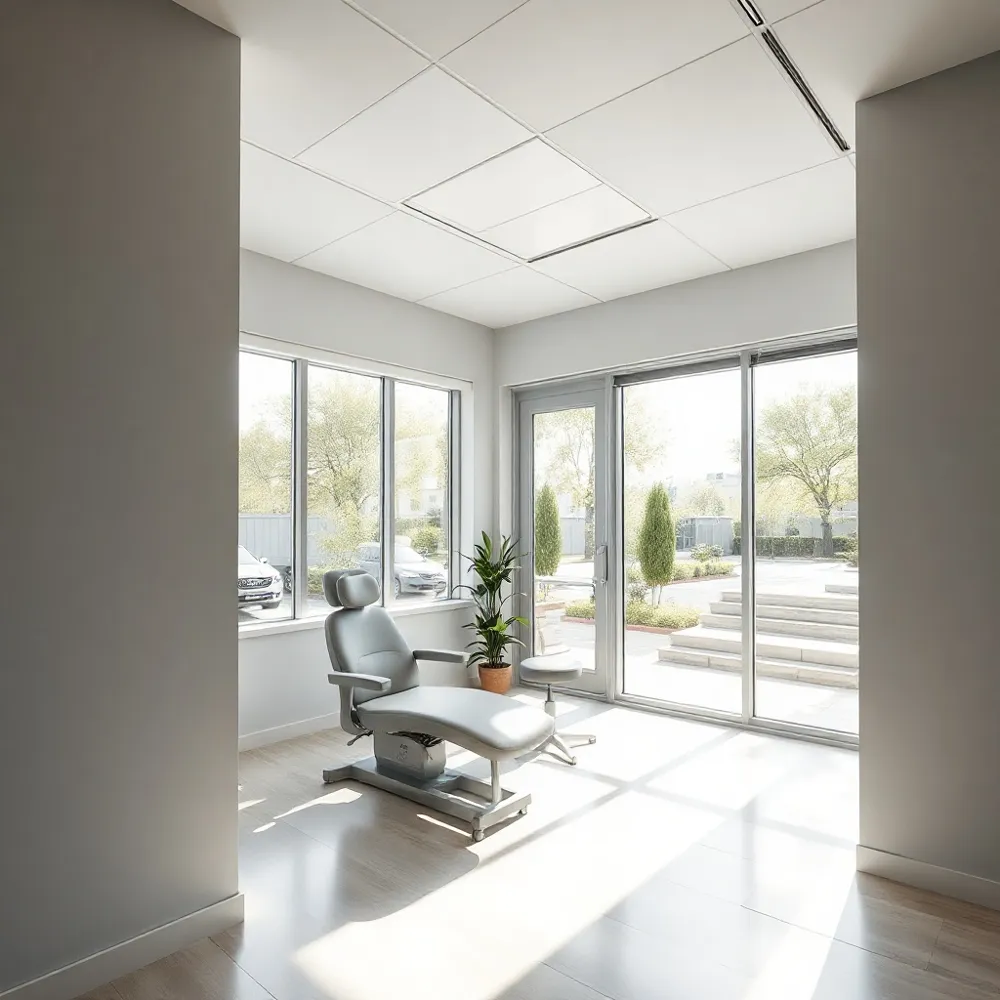 At West Buffalo Chiropractic, we define non-surgical spinal decompression therapy as a specialized form of motorized traction designed to alleviate chronic back and neck pain. By applying precise, controlled force, this treatment gently alters the position of the spine to create negative pressure within the spinal discs. This vacuum-like effect helps retract bulging or herniated discs, which in turn reduces direct pressure on pinched nerves and surrounding spinal structures, as noted by the Cleveland Clinic.
What is non-surgical spinal decompression therapy?
This modality functions by creating space within the spinal column, which allows for improved blood flow and nutrient delivery to damaged tissues. According to research on decompression therapy, the process encourages an influx of water, oxygen, and essential nutrients into the discs, supporting the body's natural healing pathways. By addressing the underlying source of compression rather than just masking symptoms, this approach serves as a viable, non-invasive alternative for individuals seeking to avoid surgical intervention.
Unlike traditional traction, modern spinal decompression utilizes computer-modulated equipment to adjust the angle and force of the stretch with high specificity. While clinical studies published in the International Journal of Clinical Practice suggest that this therapy effectively reduces intradiscal pressure, it remains most successful when integrated into a broader, evidence-based care plan. At West Buffalo Chiropractic, we prioritize this conservative approach for patients managing conditions like sciatica, degenerative disc disease, and spinal stenosis to help restore mobility and enhance long-term quality of life, as highlighted by Baylor Scott & White Health.
The Patient Experience During Treatment Sessions
 At www.716chiropractic.com, your comfort and safety remain our top priorities during every step of the recovery process. Unlike surgical interventions that may require long hospital stays or invasive procedures, non-surgical spinal decompression is designed to be a gentle, low-stress experience. We prioritize a personalized approach to ensure each patient feels secure and informed before beginning their session.
What happens during a spinal decompression therapy session?
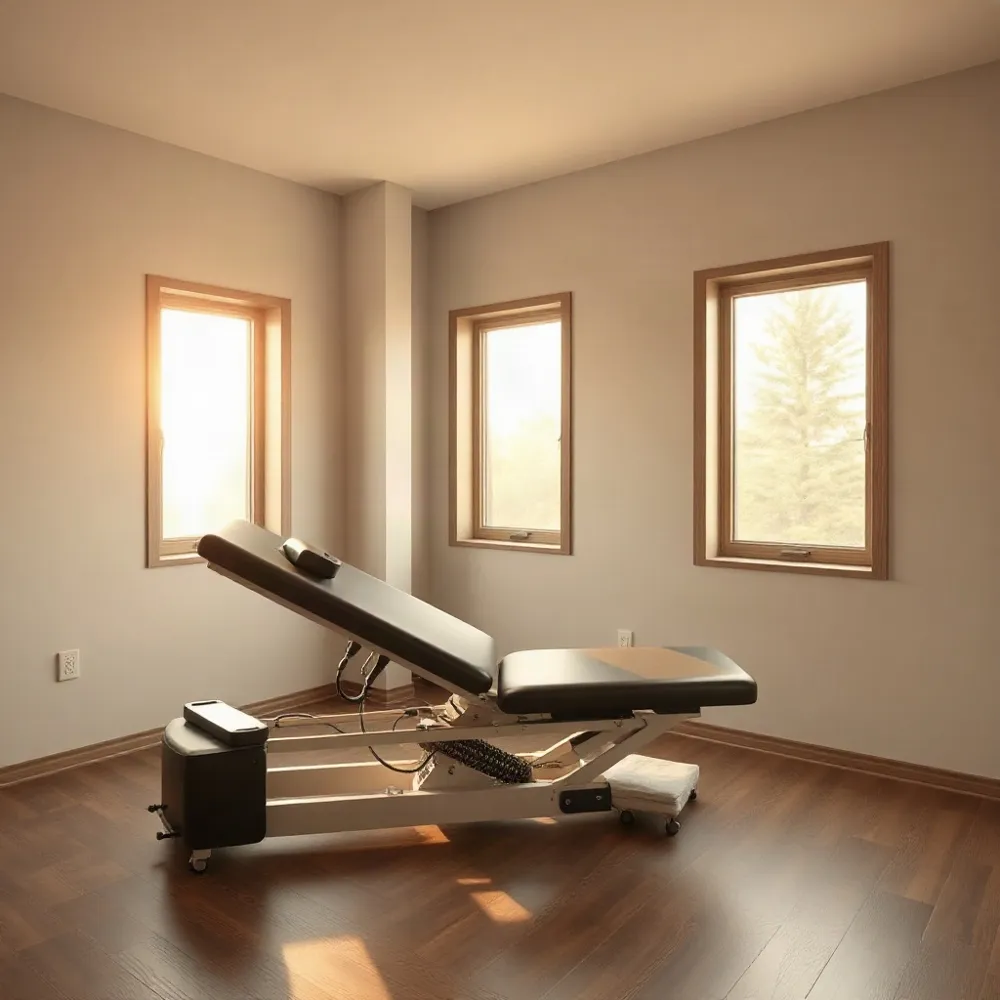
During a nonsurgical spinal decompression session, you remain fully clothed while lying on a specialized table. A trained professional fits you with a harness around your pelvis and trunk, which is connected to a computer-controlled system. The machine then performs a series of gentle stretching and relaxing cycles to elongate your spine. This process creates negative pressure within your spinal disks, which helps retract bulging or herniated material and relieves pressure on your nerves. By promoting the movement of water, oxygen, and nutrient-rich fluids into the disks, each session aims to support healing and alleviate chronic pain.
Most sessions last between 30 and 45 minutes, allowing you to relax while the motorized traction works to create space between your vertebrae. While surgical alternatives often involve significant downtime, this conservative treatment typically allows you to resume your daily activities immediately afterward. Because results are cumulative, we often recommend a series of sessions to achieve meaningful progress in mobility and pain reduction. We monitor your response throughout each visit to adjust the force and angle of the pull, ensuring the therapy remains targeted and effective for your specific spinal condition.
Addressing Sciatica and Nerve-Related Symptoms
 Sciatica and nerve-related symptoms often stem from compression within the spinal canal. When a herniated disc, spinal stenosis, or structural degeneration encroaches on the space where nerves travel, the result is frequently radiating pain, numbness, or weakness in the extremities. Because this compression acts like a physical blockade, many patients experience significant relief by addressing the underlying structural pressure before considering surgical intervention, as noted by Cleveland Clinic.
Can spinal decompression therapy help with sciatica?
Yes, spinal decompression therapy is a highly effective, non-surgical treatment option for those suffering from sciatica. By using a specialized table to gently stretch the spine, the therapy creates negative pressure that helps retract herniated or bulging discs and relieves pressure on the compressed sciatic nerve, a process which research confirms can reduce intradiscal pressure significantly. This process not only addresses the root cause of the nerve pain but also encourages the disc to rehydrate and heal. At West Buffalo Chiropractic, we utilize this approach as part of a comprehensive care plan to reduce your discomfort and improve your overall mobility. We invite you to schedule an appointment at www.716chiropractic.com to determine if this therapy is the right solution for your specific needs.
Determining the source of these symptoms requires an accurate clinical evaluation. Professionals typically rely on diagnostic tools such as MRI or CT scans to identify the exact site of nerve root involvement, as emphasized by BSW Health. While generalized muscle pain might respond to rest or basic physical therapy, nerve compression often requires more targeted mechanical traction to restore proper alignment and functionality.
Clinical Benefits and Comparative Analysis
At www.716chiropractic.com, our goal is to provide a non-surgical path toward recovery by addressing the root causes of nerve compression. Many patients come to us to avoid the risks associated with surgical spinal decompression procedures like laminectomy or discectomy. Unlike these invasive surgeries that require incisions and significant recovery, our office uses conservative methods to help restore mobility and prevent further degeneration of spinal structures.
What are the primary benefits of spinal decompression therapy?
Non-surgical spinal decompression serves as a specialized form of intermittent motorized traction designed to alleviate pressure on the neural elements of the spine. By creating negative pressure within the intervertebral discs, this approach helps retract herniated or bulging material and encourages the influx of oxygen and nutrients needed for tissue healing. Per Cleveland Clinic data, this treatment helps resolve symptoms like numbness, tingling, and radiating pain caused by pinched nerves or sciatica. By improving circulation and reducing inflammation, it supports long-term function rather than just providing temporary relief.
What is the difference between non-surgical spinal decompression and surgical decompression?
Medical providers typically follow a stepped approach to spinal health, prioritizing conservative care before discussing surgical interventions. While surgery is often required for severe neurological deficits or structural instability, non-surgical decompression offers an effective alternative for managing chronic back pain, spinal stenosis, and degenerative disc disease. This conservative path helps many patients bypass the extended downtime and potential complications of an operating room. For those seeking non-invasive options, healthcare providers at University of Utah Health emphasize that reducing pressure on spinal discs is a foundational step in restoring overall quality of life.
Managing Expectations: Recovery and Results
Achieving relief through spinal decompression is a process that balances immediate pressure release with the body's natural pace for tissue repair. While mechanical traction often eases the load on neural elements instantly, nerve regeneration is a gradual journey that typically unfolds over several weeks or months. During this time, the body works to resolve inflammation and restore full neurological function. At West Buffalo Chiropractic, we emphasize a personalized, phased approach to care that tracks your specific recovery milestones and adjusts your treatment plan to ensure your spine receives the steady support it needs to thrive.
How long does it take for nerves to heal following decompression treatment?
While many patients notice a reduction in radiating pain within a few sessions, symptoms such as numbness, tingling, or weakness often resolve more slowly. The timeline depends heavily on the duration and severity of the compression experienced before beginning non-surgical spinal decompression. Because long-term nerve irritation can impact local blood flow and health, the path to full restoration requires consistent care. Our team monitors these changes closely to help bridge the gap between initial mechanical relief and long-term functional recovery.
What are the potential side effects and drawbacks of spinal decompression?
Most patients find the procedure to be a comfortable and effective alternative to surgery, with significant adverse events remaining rare. Temporary muscle soreness, similar to the fatigue felt after a challenging physical workout, is the most frequently reported reaction as your muscles adapt to the stretching process. Some individuals may experience mild, transient muscle spasms or localized sensations in the extremities during the early stages of care. Dr. Francisco Vaquero and the team at West Buffalo Chiropractic prioritize your comfort throughout each session, ensuring that any adjustments to the force or angle of the table maintain the highest standards of safety.
Maintaining long-term wellness after your final session involves a commitment to healthy movement and proper spinal mechanics. At www.716chiropractic.com, we help you integrate rehabilitative exercises that build strength in the muscles supporting your spine, which helps prevent future strain and keeps your results stable. By addressing the root cause of your pain rather than masking symptoms, we empower you to return to your daily activities with confidence and improved physical function.
Comprehensive Care and Long-Term Wellness
Achieving lasting relief through spinal decompression requires a commitment to your overall health and consistent spinal maintenance. Because conditions such as degenerative disc disease or chronic nerve compression are often tied to the natural aging process, the therapy is rarely a permanent, one-time fix. Instead, it serves as a foundational treatment to reduce pain intensity, which www.716chiropractic.com supports by integrating personalized rehabilitation strategies.
How long do the results of spinal decompression therapy typically last, and is it considered a permanent fix?
Results typically provide relief that lasts several months to a year, though this timeframe depends on the severity of your underlying condition and your dedication to ongoing spinal support. Consistency remains the most important factor for long-term comfort. At West Buffalo Chiropractic, we focus on a whole-person approach to help you maintain spinal health through regular maintenance sessions, ensuring that the benefits of your initial treatment plan are preserved against recurring flare-ups.
What are some safe, simple stretches I can perform at home to help decompress my spine?
Gentle movement helps elongate the spine and alleviate pressure between discs, though you should consult with Dr. Francisco Vaquero, D.C. before starting any new routine. Effective at-home options include the Child's Pose for spinal elongation, the Knee-to-Chest stretch while lying on your back, and the Cat Stretch performed on your hands and knees. If you feel any increase in pain, stop immediately and seek professional guidance from our team at www.716chiropractic.com.
Is spinal decompression therapy typically covered by insurance?
Insurance providers frequently classify this therapy as experimental, meaning most sessions are out-of-pocket expenses. We recognize this is a significant financial consideration, which is why West Buffalo Chiropractic offers flexible financing options through CareCredit to ensure you can access necessary care without excessive burden. Please contact our office directly to review your coverage and explore payment plans that fit your budget.
Empowering Your Recovery at West Buffalo Chiropractic
By prioritizing spinal decompression as a conservative, non-surgical alternative, you can directly address the root causes of nerve-related pain and stiffness. This approach focuses on alleviating pressure on neural elements, which helps restore your mobility and prevents the need for more invasive procedures. At www.716chiropractic.com, Dr. Francisco Vaquero, D.C. combines this specialized therapy with a whole-person approach to ensure your treatment plan remains tailored to your specific recovery goals.
Choosing a non-invasive path is often the most effective way to protect your long-term health and enhance your daily quality of life. If you are experiencing persistent discomfort, we encourage you to book an appointment online today. Let our team at West Buffalo Chiropractic evaluate your condition and help you navigate your journey toward lasting relief.