Recovery Begins With the Right Guidance
A general back exercise routine is not the same as a recovery plan for a significant injury. A stretch or strengthening move that suits one person may aggravate another person’s symptoms, especially when the cause of pain or the extent of injury is unclear.
Recovery can involve more than rebuilding strength. Improving movement, managing everyday tasks, and regaining confidence may all matter, and progress varies from person to person. Rehabilitation teams can help set goals around an individual’s abilities and adjust them as needs change, as described in the MSKTC spinal cord injury rehabilitation guidance.
For significant injuries, begin with an assessment from a qualified health professional, then follow their advice on which exercises are appropriate and when to start. The American Academy of Orthopaedic Surgeons recommends medical supervision for its spine-conditioning program and advises contacting a doctor or physical therapist if exercise causes pain or the movements are unclear. At West Buffalo Chiropractic, Dr. Francisco Vaquero, D.C., provides personalized care that includes rehabilitation, soft tissue therapy, and spinal adjustments, with the approach guided by the person’s needs.
Start With Assessment and Safety
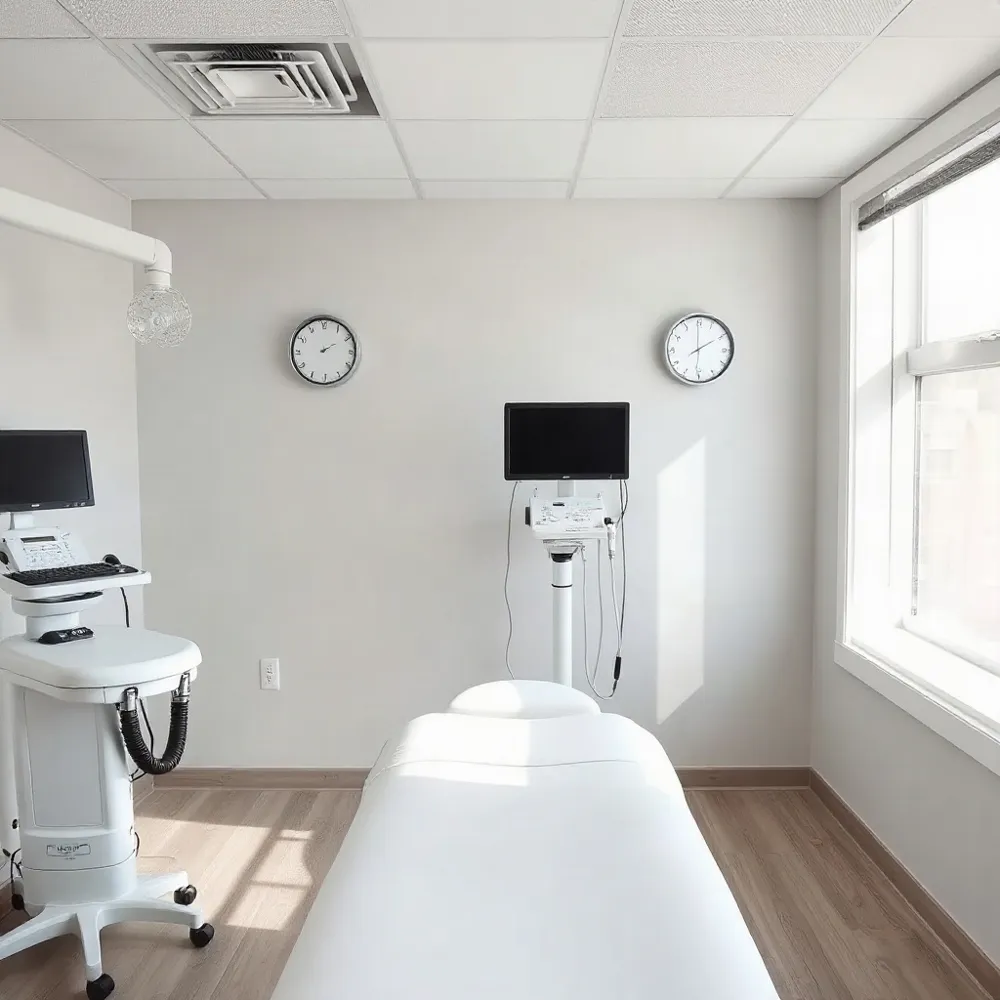 A spine injury needs an evaluation before you choose exercises or hands-on care. A healthcare professional may ask how the injury happened and check pain, movement, strength, sensation, and other signs that nerves may be affected. Depending on the injury and symptoms, they may recommend X-rays, a CT scan, or an MRI to look for damage.
How should a spine injury be evaluated and treated?
Seek emergency care after significant trauma or for severe or worsening pain, weakness, numbness, trouble walking, or loss of bowel or bladder control. These symptoms can signal a serious problem, so do not rely on home exercises. If someone may have a serious spine injury, avoid moving them unless there is immediate danger. [MedlinePlus guidance on back-pain warning signs](https://medlineplus.gov/ency/article/002119.htm) describes symptoms that warrant prompt medical attention.
Care depends on the diagnosis and may involve changing activities, pain management, physical rehabilitation, or referral to a specialist. A suspected or confirmed spinal cord injury is different from ordinary back pain and calls for individualized medical and rehabilitation guidance. A clinician can determine whether movement or treatment is appropriate and direct you to further care when needed.
At West Buffalo Chiropractic, care includes rehabilitation and soft tissue therapy alongside spinal adjustments. Those services should be considered only after serious injury has been ruled out, with treatment matched to the diagnosis. The [American Academy of Orthopaedic Surgeons’ spine conditioning guidance](https://www.orthoinfo.org/recovery/spine-conditioning-program/) also advises that conditioning after injury be guided by a doctor, with exercise choices suited to the person’s goals.
Ease Back Into Everyday Movement
What can help relieve lower back pain at home?
For many cases of lower back pain, gentle movement and a gradual return to usual activities may help more than prolonged bed rest. Short walks and changing positions regularly can keep you moving without requiring a strenuous workout. West Buffalo Chiropractic offers rehabilitation as part of its care, which can help tailor movement to a person’s needs.
Try gentle stretches or exercises only if they do not worsen your symptoms. Begin with a comfortable amount of activity and build up gradually. If pain increases or spreads, stop the exercise and check with a health professional. The MedlinePlus guidance on back care at home also recommends avoiding heavy lifting and twisting during recovery.
Ice or heat may provide temporary relief. Over-the-counter pain medicine may be an option, but consider your health conditions and other medications, follow the label, and ask a clinician or pharmacist if you are unsure. Avoid movements that aggravate symptoms, and return to heavier tasks gradually rather than pushing through pain.
Seek urgent medical care for new bowel or bladder problems, numbness around the groin, significant weakness, fever, or severe pain after an injury. These symptoms should not be managed with home exercises alone. If pain persists or worsens, arrange a professional assessment; NHS back-pain guidance advises seeking professional input when symptoms worsen during exercise.
Choose Gentle Mobility and Strength Work
Which exercises may help ease lower back pain and strengthen the back?
Gentle mobility work may help ease stiffness and restore comfortable movement. Examples include knee rolls, pelvic tilts, single- or double-knee-to-chest stretches, and cat-camel. These are general options, not a routine for every injury. The NHS back-pain exercise guidance recommends gradual movement and says people with a diagnosed condition or recent surgery should follow advice from their healthcare professional.
Once movement feels manageable, bird-dogs, bridges, and abdominal bracing may offer ways to begin strengthening the muscles that support the spine. Keep each movement controlled and within a comfortable range, starting with only a few repetitions. The AAOS spine conditioning program advises that exercise selection and supervision should be guided by a doctor or physical therapist, particularly during recovery.
Mild, temporary discomfort can happen as activity changes, but sharp or worsening pain, or pain that spreads, is a signal to stop and seek guidance. Mayo Clinic also advises people starting exercise because of back pain or an injury to ask a physical therapist or another member of their care team which activities are safe (Mayo Clinic's back exercise guidance).
At West Buffalo Chiropractic, rehabilitation is among the clinic's services, alongside spinal adjustments and soft tissue therapy. For persistent pain, a diagnosed back condition, or recent surgery, check with an appropriate clinician before trying a new exercise or increasing its difficulty.
Recognize a Possible Muscle Strain
What are the symptoms of a pulled muscle in the back?
A strained back muscle may cause a localized ache or sharp pain, stiffness, tenderness, or muscle spasms. Symptoms can begin during or soon after lifting, exercise, or another activity that strains the back. Pain may increase when you move, lift, bend, or twist, making it harder to move freely or stand straight. These signs can fit a muscle strain, but they do not confirm the cause.
Watch for symptoms that may point to nerve involvement or another serious problem. Pain that travels down a leg, numbness or tingling, or new weakness in a leg warrants prompt medical advice. Seek urgent care for loss of bladder or bowel control, a warning sign identified in MedlinePlus guidance on back pain. New or worsening numbness or tingling also calls for medical attention, as noted by Hospital for Special Surgery.
At West Buffalo Chiropractic, Dr. Francisco Vaquero, D.C., provides personalized care that can include rehabilitation and soft-tissue therapy. An assessment can help determine what care is appropriate rather than assuming pain is a simple strain.
Return to Exercise at Your Own Pace
 When is it safe to start exercising after a back injury? For many uncomplicated injuries, gentle movement, such as a short walk, can begin as soon as it feels tolerable. Taking a brief pause may help settle symptoms, but prolonged bed rest is generally not recommended. If the injury was significant or you are unsure what is safe, ask a healthcare professional before starting.
Build activity in stages rather than testing your limits all at once. Avoid movements that worsen pain, particularly heavy lifting and repeated bending or twisting. Increase walking time or exercise effort gradually, and stop if symptoms worsen or new symptoms appear. The NHS guidance on exercises for back pain advises reducing or stopping movements that aggravate symptoms and seeking professional advice when needed.
Before returning to demanding exercise or sports, look for absent or mild pain, nearly normal movement without pain, and enough strength and endurance for the activity. These are general readiness signs, not a substitute for clearance after surgery or a serious injury. At West Buffalo Chiropractic, rehabilitation is among the services offered, and care can be personalized to the person’s condition and progress.
Recovery time varies with the injury. A sprain or strain may allow a gradual return over days or weeks, while a disc injury or surgery can require a longer period and guided rehabilitation. The AAOS spine conditioning program recommends medical supervision and matching exercises to rehabilitation goals. Seek tailored advice if you have weakness, numbness, worsening symptoms, or uncertainty about when to progress.
Understand Supervised Spinal Decompression
What is spinal decompression, and can it be done safely at home?
Spinal decompression is a broad term for treatments intended to reduce pressure on spinal discs or nearby nerves. Nonsurgical approaches may involve clinician-guided traction equipment or hands-on techniques. A provider may consider them for some conditions, such as a herniated disc or sciatica, but they are not suitable for everyone, and results can vary.
West Buffalo Chiropractic offers spinal decompression alongside spinal adjustments, soft-tissue therapy, and rehabilitation. Whether it is appropriate depends on the cause of symptoms and a person’s health, so assessment should come before choosing treatment.
Clinical traction is not the same as gentle movement at home. Do not try to copy it with improvised equipment or an inversion table without first speaking with a healthcare professional, since traction may aggravate some conditions. People starting exercise after a back injury should ask a physical therapist or another member of their care team which activities are safe, as Mayo Clinic advises. Home movement may help some people, but it does not replace supervised decompression therapy or an evaluation of the underlying problem.
Build Strength With a Personalized Plan
General exercise advice can be a useful starting point, but recovering from a significant injury calls for a plan based on the diagnosis, symptoms, and response to movement. A qualified healthcare professional can help decide which activities are appropriate and how to progress them safely.
Increase activity gradually and pay attention to how your body responds. Stop and seek medical guidance if pain worsens, symptoms persist, or you notice new numbness, tingling, or weakness. Recovery differs from person to person, so progress is better judged by practical gains in comfortable movement and daily function than by a fixed timeline.
At West Buffalo Chiropractic, care includes rehabilitation alongside services such as spinal adjustments and soft-tissue therapy. Discussing your injury and symptoms with a provider can help clarify whether chiropractic care fits your situation and how it should work alongside other medical guidance.