The Demands Behind Sports Injuries
Training can place repeated demands on the spine. Heavy lifting, prolonged cycling posture, contact and impact, and twisting during sports such as golf may all contribute to back symptoms. The pattern and intensity of these demands matter when considering what is causing an athlete’s pain.
Sports-related back problems vary. Many involve soft tissues, but others may affect discs, joints, nerves, or bone. In adolescent athletes, repetitive spinal extension and rotation are associated with spondylolysis, a stress injury that calls for appropriate assessment rather than guesswork (clinical commentary on youth spondylolysis). Neck injuries also range from muscle strains to serious spinal injuries, so symptoms and risk factors need careful evaluation (review of cervical spine injuries in athletes).
Rehabilitation should therefore reflect the athlete’s injury, symptoms, sport, and return-to-play goals, rather than follow a single routine. At West Buffalo Chiropractic, care options include spinal adjustments, soft-tissue therapy, rehabilitation, and sports injury care, allowing treatment to be considered in the context of the individual athlete.
Understand the Injury Before Training Resumes
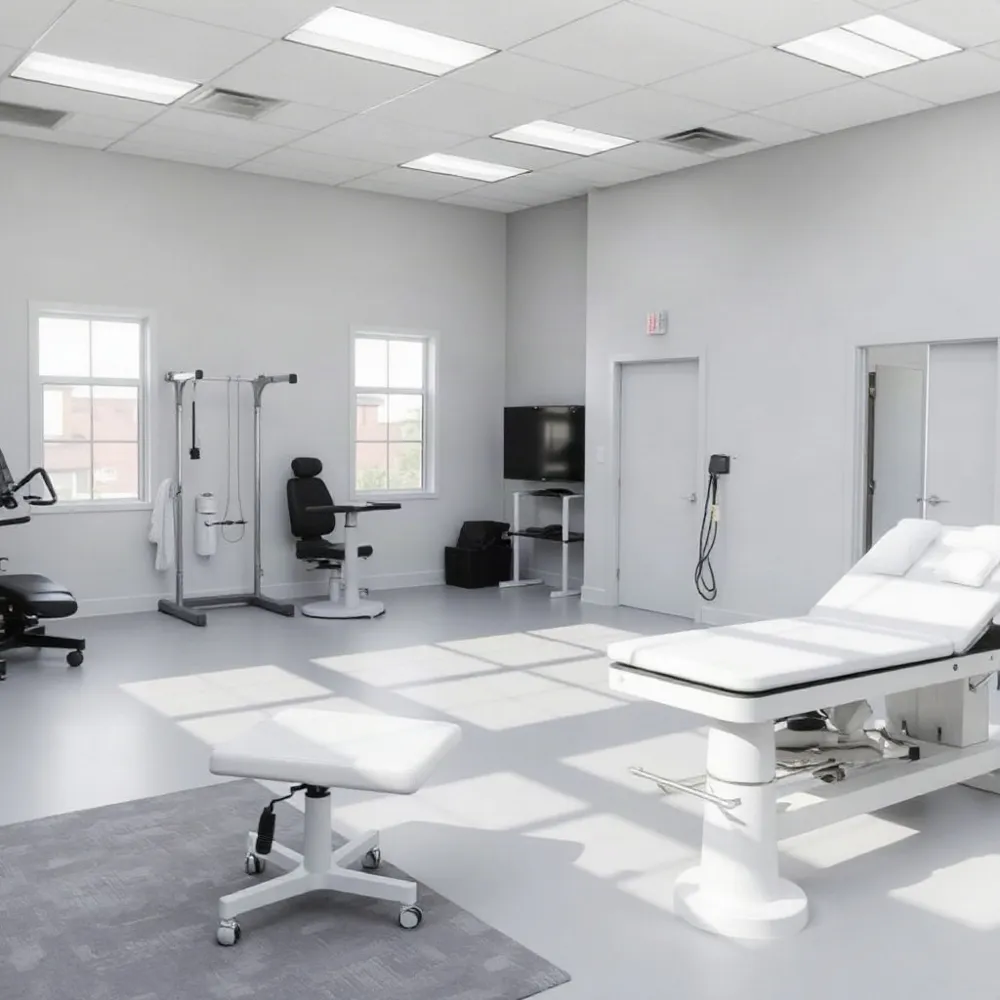 Low back pain in young athletes can follow a muscle or ligament strain, a sudden increase in training, poor conditioning, or a change in movement technique. Repeated bending, twisting, and back extension can also place stress on the spine. One recognized cause in adolescent athletes is spondylolysis, a stress injury to part of a vertebra, often associated with repeated extension and rotation. Pain may begin gradually and worsen during activity, especially when arching the back. Clinical guidance on youth spondylolysis describes why persistent symptoms may need evaluation rather than guesswork.
A disc herniation, spondylolysis, and spondylolisthesis are different conditions, so rehabilitation should reflect the diagnosis, symptoms, and clinical findings. A disc-related plan may focus on comfortable movement, monitoring nerve symptoms, and gradually strengthening the trunk and hips. For spondylolysis, painful extension or rotation may need to be limited initially, followed by progressive strengthening and sport-specific movement as symptoms allow. Spondylolisthesis may call for trunk stability, hip strength, and ways to reduce painful spinal loading. At West Buffalo Chiropractic, care includes rehabilitation and spinal care tailored to individual needs, rather than assuming one approach fits every sports injury.
Arrange an assessment if pain persists, worsens, limits activity, or occurs with numbness or weakness. Suspected bone stress injury may require clinical evaluation and imaging; symptoms and examination alone may not confirm spondylolysis. Research on adolescent spondylolysis notes that imaging can help confirm a suspected lesion, with selection guided by an appropriate clinician. Seek prompt medical assessment for new or worsening leg weakness, numbness in the saddle area, or loss of bladder or bowel control.
Match Care to the Athlete
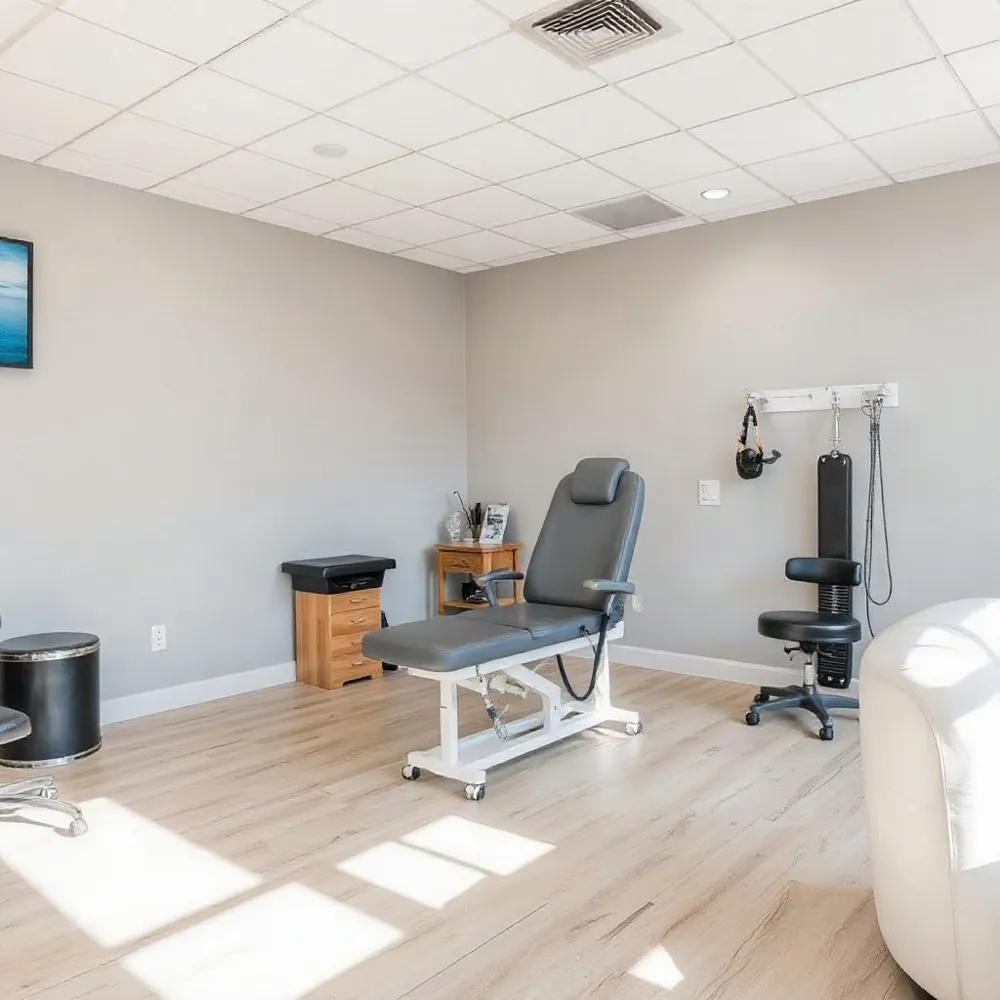 Care should reflect more than the location of an athlete’s back pain. An assessment can consider symptoms, medical history, movement, strength, balance, injury findings, and the demands of the athlete’s sport, along with personal goals. The NHS overview of physiotherapy describes an initial assessment that may include questions about symptoms and lifestyle, an examination, and checks of strength and balance.
Depending on the findings, chiropractic care and rehabilitation may address restricted movement, muscle tightness, and gaps in strength or mobility. Appropriate options may include spinal adjustments, soft-tissue therapy, and targeted exercises. West Buffalo Chiropractic lists these services, along with rehabilitation and care for sports injuries, but the specific plan depends on an individual assessment rather than a standard package.
Spinal decompression may be considered for selected spinal problems after evaluation, but it is not suitable for everyone and should not stand alone. Exercise recommendations also cannot be transferred from one population to another without care: published guidance for adults with chronic spinal cord injury, for example, is not an athlete-specific rehabilitation prescription (exercise guidelines for adults with spinal cord injury).
A personalized plan can support a gradual return to training, with activity adjusted according to symptoms and function. Progress may include restoring comfortable movement first, then building strength and sport-related demands as tolerated. Recovery varies, so no single treatment guarantees a particular result or timeline.
Severe pain, pain after a significant injury, or symptoms such as weakness or numbness warrant medical evaluation. West Buffalo Chiropractic’s listed services describe general offerings, not a promise that each treatment is appropriate for every athlete; assessment should guide the next step.
Manage a Lumbar Strain Gradually
 For a suspected lumbar strain, briefly reduce the movements or training loads that aggravate symptoms, then return to gentle movement as pain allows. Prolonged bed rest is generally discouraged, but athletes should not push through sharp or worsening pain.
A wrapped cold pack may ease discomfort during the first couple of days. After that, heat may feel soothing. These are comfort measures, not substitutes for assessment or a gradual return to activity.
As symptoms settle, gradually add stretching and strengthening rather than jumping straight back into full training. Rehabilitation should reflect the athlete’s symptoms, sport, and goals. At West Buffalo Chiropractic, care includes personalized rehabilitation and soft-tissue therapy, alongside chiropractic services.
Many uncomplicated strains improve within two to four weeks, but recovery varies with injury severity, daily demands, and how activity is adjusted. More severe or persistent symptoms can take longer. The NHS overview of physiotherapy describes exercise and advice as common parts of care for muscle and joint problems, including strains.
Seek clinical advice if symptoms are severe, persistent, or unclear. A clinician can assess the problem and help select appropriate care, which may include rehabilitation or other therapies. West Buffalo Chiropractic also provides care for sports injuries and chronic pain, with treatment tailored to the individual.
Progress Through Rehabilitation Stages
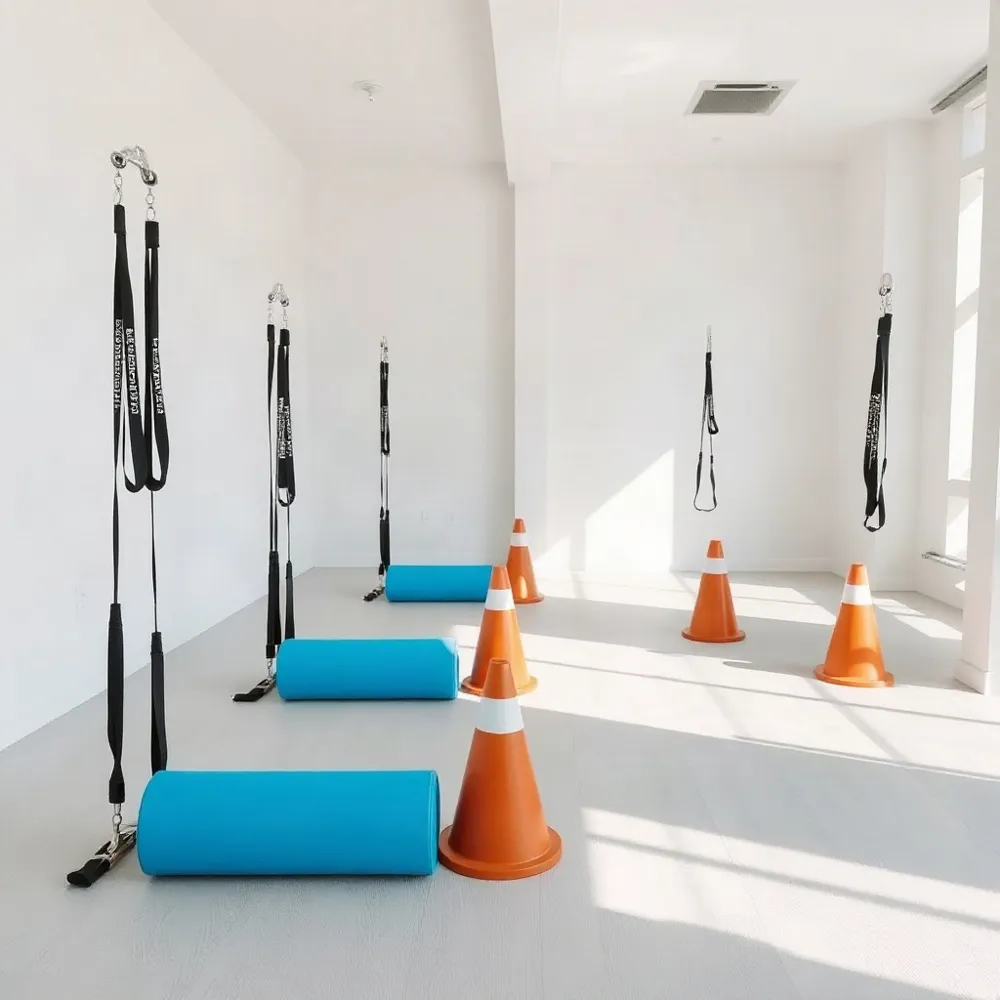 Rehabilitation usually moves from protecting the injured area and managing pain to restoring comfortable mobility, rebuilding strength and trunk endurance, then adding coordination, conditioning, and sport-specific drills. Avoiding painful loads does not mean staying inactive: prolonged restriction can contribute to deconditioning, but athletes should not train through injury.
The pace should follow symptoms and function, not a fixed calendar. Increase activity when movement is manageable and does not cause symptoms to worsen afterward. A clinician can help adjust the plan to the injury and the athlete’s response. At West Buffalo Chiropractic, rehabilitation is among the services offered, alongside spinal adjustments and soft-tissue therapy.
Adolescent spondylolysis illustrates a criteria-based approach. Early, supported activation of stabilizing muscles can progress to integrated movement and resistance, then monitored sport-specific practice. A clinical commentary outlines these stages while noting that the detailed program is based largely on expert opinion, not randomized trials. It also describes early supervised exercise as a way to limit deconditioning during sport restriction, not as a reason to push through pain. Rehabilitation considerations for spondylolysis in youth
Return planning works best when the athlete and clinician communicate about symptoms and function. When appropriate, family members, coaches, and athletic trainers can also help monitor the gradual move from practice drills toward full participation. West Buffalo Chiropractic provides personalized care for sports injuries, so rehabilitation can take the athlete’s needs and activity goals into account.
Build Movement Control and Sport Skills
 Once basic movement is comfortable, rehabilitation can work on how the hips, spine, arms, and legs coordinate. For athletes with adolescent spondylolysis, a clinical commentary describes progressing from isolated muscle work toward integrated functional and sport-specific training, while noting that much of its guidance reflects expert opinion rather than randomized trials. The approach is diagnosis-specific, not a universal prescription. The rehabilitation considerations for youth spondylolysis
Depending on the injury and assessment, a program may include hip and upper-back mobility, stretching, range-of-motion work, and trunk exercises that help control the spine as the arms and legs move. Balance, coordination, and low-impact conditioning, such as walking or swimming, may also be suitable. At West Buffalo Chiropractic, rehabilitation is one of the clinic’s services, alongside spinal adjustments and soft-tissue therapy.
As control improves, exercises can resemble sport demands in a measured way: first controlled running, swinging, throwing, or direction changes, then more challenging versions as the athlete tolerates them. The specific movements should reflect the sport and the injury, rather than follow one exercise list for every athlete. Physiotherapy guidance from the NHS describes exercise and advice as part of care for muscle and joint problems, including sprains and strains.
Increase effort gradually and monitor symptoms during and after activity. If pain worsens or does not settle back to its usual baseline, reduce the challenge and discuss the response with the treating clinician before progressing. West Buffalo Chiropractic provides personalized care for sports injuries, so exercise choices can be considered in the context of the athlete’s symptoms and goals.
Restore Strength Before Full Training
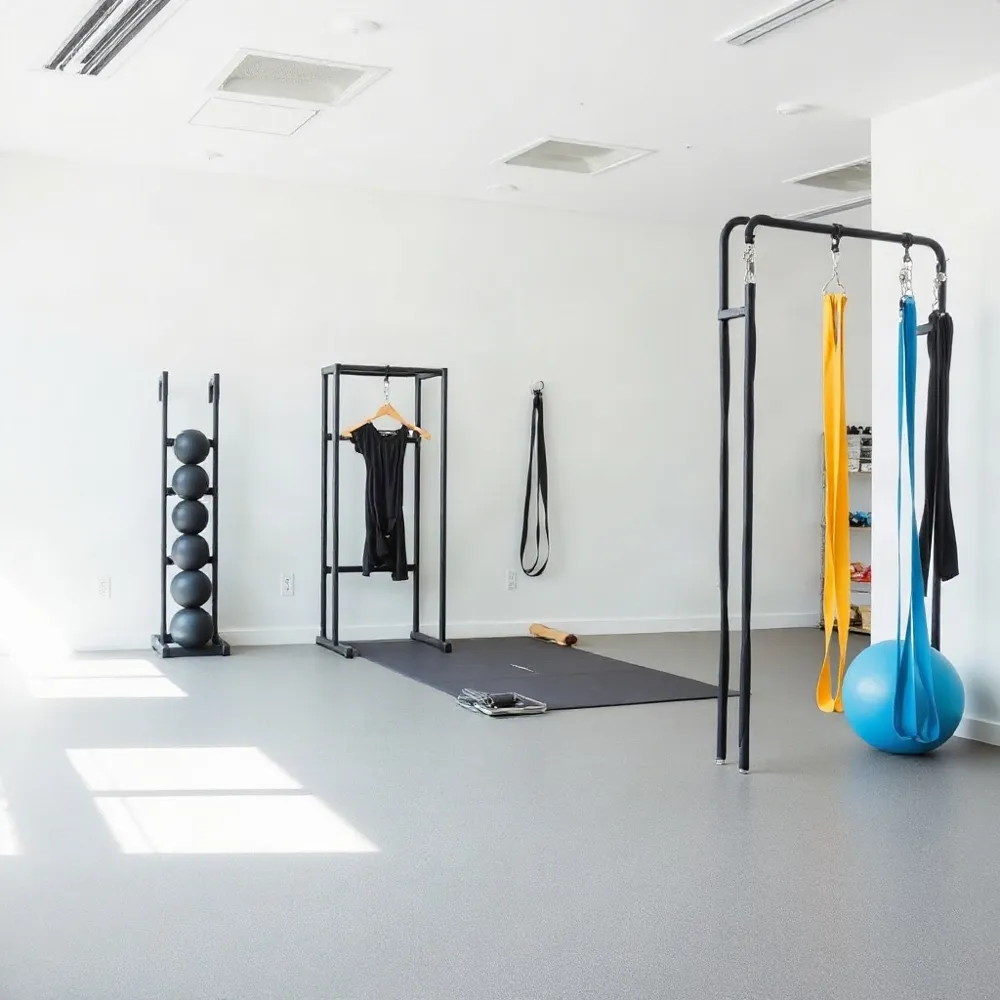 Strength work can build on comfortable movement, with the starting point shaped by the athlete’s symptoms and current ability. A gradual program may address trunk and hip strength, endurance, mobility, balance, and control before adding more demanding resistance or sport-specific tasks.
For young athletes recovering from spondylolysis, a clinical review describes progressing from isolated muscle work to integrated functional training and then sport-specific practice, guided by symptoms and ability rather than a fixed calendar. The authors note that this framework is based largely on expert opinion, not randomized trials, so it should not be treated as a universal prescription (review of rehabilitation for youth spondylolysis).
As function improves, resistance and sport movements can return in manageable steps. Increase load, range, speed, or training volume gradually, changing one demand at a time when practical. If pain or other symptoms worsen, reduce the challenge and reassess the plan instead of pushing through.
Resuming heavy training before stabilizing muscles and movement control are ready may raise reinjury concerns, but no single exercise guarantees prevention. At West Buffalo Chiropractic, rehabilitation is among the services offered alongside spinal adjustments and soft-tissue therapy, allowing care to address both movement and physical capacity.
A chiropractor or other qualified clinician can tailor progression to the injury and the athlete’s response. When appropriate, coordination with a coach can help align rehabilitation goals with practice demands and support a graded return to sport. The NHS also describes exercise, strength work, and symptom-management advice as common parts of physiotherapy for muscle and joint problems, including sports injuries (NHS physiotherapy overview).
A Return Built Around Readiness
Returning to sport is not simply a matter of waiting until pain settles. The plan should reflect the diagnosis, the athlete’s progress, and the movements and demands of their sport. For young athletes with suspected spondylolysis, rehabilitation guidance favors progression based on function and symptoms rather than a fixed calendar, while noting that much of the proposed approach rests on expert opinion.
At West Buffalo Chiropractic, care includes personalized rehabilitation and sports-injury treatment alongside services such as spinal adjustments and soft-tissue therapy. Seek clinical assessment for persistent or worsening pain, pain that radiates into a limb, or symptoms that interfere with normal activity. Increase training in stages, monitor how the body responds, and treat return to sport as a process, not a deadline. Rehabilitation considerations for youth spondylolysis