When Back Pain Limits Movement
Lingering back pain after an injury can make ordinary tasks, such as getting dressed, carrying groceries, or sitting through a workday, feel difficult. Stiffness and restricted movement may also make it harder to return to exercise or recreation, while uncertainty about what will hurt can chip away at confidence.
Recovery involves more than waiting for pain to fade. Rebuilding mobility and everyday function usually takes a gradual, individualized approach that responds to symptoms and personal goals. A healthcare professional can help assess which movements are appropriate and adjust the plan as recovery progresses. At West Buffalo Chiropractic, care is personalized and may include rehabilitation alongside other services, depending on the person’s needs.
There is no single recovery timeline for every back injury. Progress can vary with the injury and the individual, and it may include easier days as well as temporary setbacks. Gentle activity is often preferable to prolonged inactivity, but movements should be adapted or stopped if they worsen symptoms. Mayo Clinic’s guidance on back exercises recommends consulting a healthcare professional before starting an exercise program after an injury.
Understand the Pain and Set Individual Goals
 Chronic back pain is pain that lasts three months or longer. It may follow an injury or relate to arthritis, a bulging or herniated disc, spinal narrowing that affects nerves, muscle strain, or movement habits. Sometimes, an exact cause is not found, and symptoms can come and go. Johns Hopkins Medicine describes several possible causes and emphasizes that treatment depends on the person.
What can cause chronic back pain, and how is it managed?
Pain can change how someone moves. A person might avoid bending or shift weight to one side, then find that everyday tasks, activity, and confidence are affected. An assessment can look beyond the sore spot to consider symptoms, mobility, movement patterns, and limits on daily function.
People with similar diagnoses may have different symptoms, triggers, abilities, lifestyles, and goals. Management may include staying active, tailored therapeutic exercise or rehabilitation, guidance on posture and daily activities, and other conservative care. The plan should reflect the individual and change as symptoms and abilities change. Exercise after an injury should be discussed with a health professional, who can help identify safe activities and how to progress them gradually. Mayo Clinic’s exercise guidance also recommends consulting a member of the health care team before starting.
At West Buffalo Chiropractic, care includes rehabilitation and spinal adjustments, with a personalized approach led by Dr. Francisco Vaquero, D.C. Chiropractic care may be one option when appropriate, but it is not suitable for every condition. Persistent or worsening pain deserves medical evaluation. Seek prompt assessment for new weakness, numbness, or other concerning symptoms.
Rebuild Mobility Gradually and Safely
 Rest can be useful briefly after an injury, but prolonged inactivity may leave the back and supporting muscles stiff and weak. Rather than returning all at once to a full routine, pace chores, change position when sitting becomes uncomfortable, and try short walks if they feel manageable.
Movement should match the likely cause of pain. Walking, pelvic tilts, a gentle knee-to-chest stretch, or a standing back extension may suit some people, but none is right for everyone. For example, forward bends such as toe touches may aggravate some disc-related symptoms, while back extension may worsen symptoms associated with spinal stenosis. The Hospital for Special Surgery’s exercise guidance advises choosing movements according to the condition and stopping or changing an exercise if pain worsens or symptoms travel down the legs.
What exercises may help with lower back pain, and which should I avoid?
Gentle activity, comfortable stretching, and gradual strengthening of the core and back may help maintain mobility. Start with a small amount and increase only as the movements become easier. Mayo Clinic advises people with ongoing pain or a previous back injury to consult a healthcare professional about safe activities before starting an exercise program. A physical therapist or another member of the care team can help tailor the routine.
Keep movements controlled and within a comfortable range. Do not force a stretch or push through sharp, increasing pain. Stop or modify an exercise if it brings on numbness, tingling, or pain traveling down a leg, and ask a clinician for guidance. Heavy lifting and strenuous twisting may also be unsuitable during a flare-up.
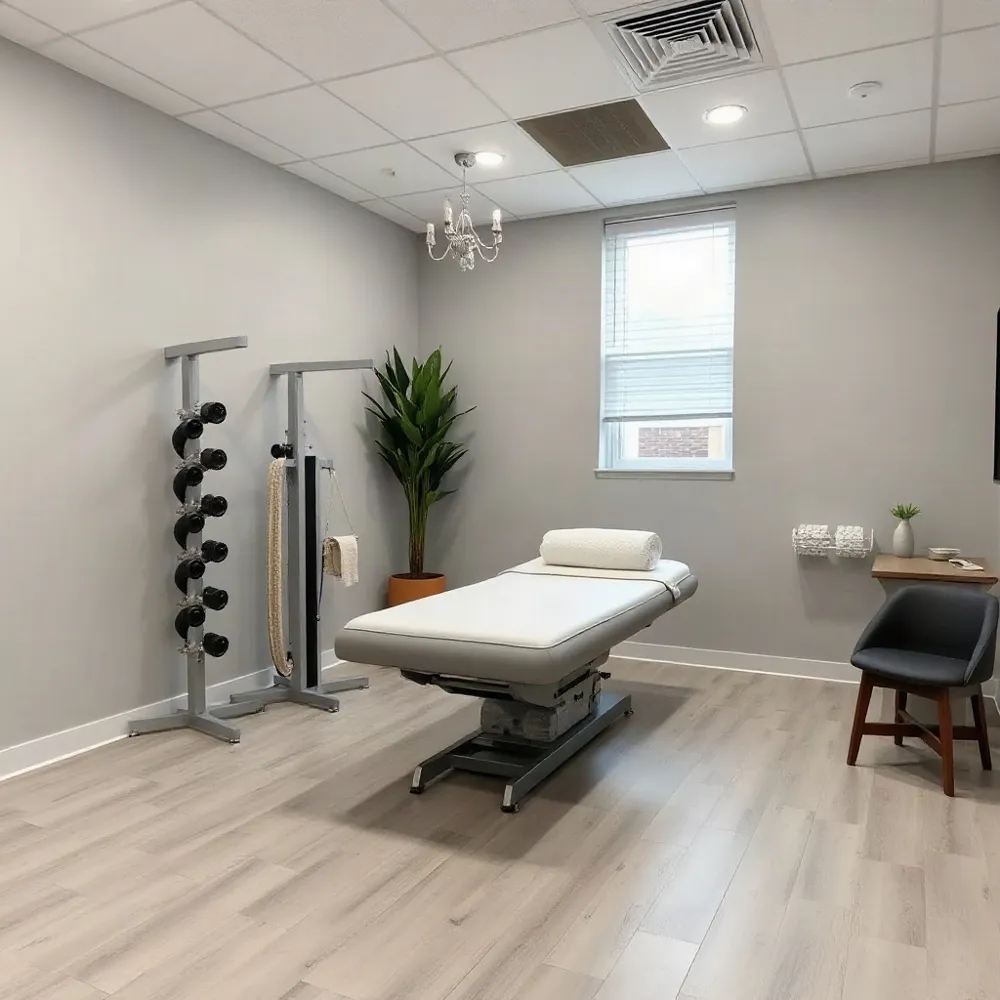
At West Buffalo Chiropractic, rehabilitation is among the services offered, and care is personalized to the person’s injury and needs. That can help make gradual mobility goals part of a broader plan, with referral or coordination with other healthcare professionals when appropriate.
Consider Chiropractic Care as One Option
Chiropractic care may be one part of a back-pain plan, but it is not a guaranteed cure or a replacement for medical evaluation when symptoms call for it. Whether it is appropriate depends on the person’s symptoms, health history, and goals.
Can chiropractic care help relieve back pain?
It may help some people, particularly with certain types of recent or recurring low-back pain, though results vary. Research offers support for chiropractic care as an option, but findings have limits and treatment may involve costs. A first visit typically includes discussion of health history, symptoms, medications, goals, and activity limits, followed by an assessment of movement and function. The MedlinePlus guide to chiropractic care explains that care may include spinal manipulation and other treatments.
At West Buffalo Chiropractic in Buffalo, Dr. Francisco Vaquero, D.C., can assess a patient’s needs and discuss available options. The clinic offers spinal adjustments, soft-tissue therapy, rehabilitation, spinal decompression, and ultrasound therapy; the appropriate services depend on the individual, and none guarantees a particular result.
Is chiropractic care safe for back pain?
Many people tolerate chiropractic care, but temporary soreness or stiffness can follow an adjustment, and risks should be discussed before treatment. Some conditions, including severe osteoporosis, fractures, certain infections, or nerve symptoms such as limb weakness, may make spinal manipulation unsuitable or require a different approach. Tell the chiropractor about your medical history and any new or changing symptoms. Seek prompt medical care for severe or worsening pain, new weakness or numbness, or loss of bladder or bowel control. The Harvard Health review of chiropractic care for low-back pain discusses both possible benefits and limits in the evidence.
What does a chiropractor do to treat lower back pain?
After assessing symptoms and movement, a chiropractor may recommend adjustments, soft-tissue treatment, guided rehabilitation exercises, or practical advice on activity and self-care. A personalized plan can change as symptoms and function change. Ask about alternatives and expected costs, and consult a medical professional when symptoms suggest a problem that needs evaluation beyond chiropractic care.
Address Pain That Travels or Relates to Arthritis
Pain that travels into a leg and pain associated with arthritis can have different causes. Symptoms alone cannot confirm what is happening, so an assessment of your health history, movement, and symptoms should guide whether conservative care is suitable and which techniques may be appropriate.
Can chiropractic care help with sciatica or lower back pain that radiates down the leg?
Chiropractic care may help some people with sciatica or lower back pain that travels into a leg, depending on the cause. At West Buffalo Chiropractic, care may include spinal adjustments, soft-tissue therapy, or rehabilitation exercises, selected after an individualized assessment. These approaches may support mobility and ease discomfort, but results vary and not every cause of radiating pain responds to chiropractic treatment. A chiropractic assessment should include discussion of symptoms such as numbness, tingling, or weakness.
Seek medical evaluation if symptoms are severe, persistent, or worsening. New or worsening weakness, numbness in the groin, or loss of bladder or bowel control needs urgent assessment. Johns Hopkins Medicine identifies these changes as warning signs.
Can chiropractic care help with back pain related to arthritis?
It may ease discomfort or improve mobility for some people, but chiropractic care cannot reverse arthritis or repair joint damage. Suitability depends on the type and severity of arthritis, symptoms, and overall health. West Buffalo Chiropractic offers soft-tissue therapy and rehabilitation as well as adjustments, but a clinician should first review your history and assess whether hands-on treatment is appropriate. Gentler or non-adjustment options may be preferable in some cases.
Ask your physician or specialist to coordinate care, particularly if pain is severe or worsening, or if numbness, weakness, or other new symptoms appear.
Know When Sudden Pain Needs Urgent Assessment
 A sudden flare can be frightening, but certain symptoms need emergency assessment rather than a routine appointment. New leg weakness, numbness around the groin or inner thighs, loss of bladder or bowel control, or difficulty standing or walking are urgent warning signs. Johns Hopkins Medicine lists these symptoms as reasons for immediate in-person evaluation. Call 911 or go to an emergency department, especially if symptoms follow a fall or accident.
What should I do if my back suddenly hurts so much that I can barely move?
Stop the activity that triggered the pain. Do not force painful movements or try to crack or manipulate your back. If there are no warning signs, settle into a comfortable position and apply a wrapped ice pack for short periods. Avoid prolonged bed rest. Contact a healthcare professional promptly if pain is severe, worsening, or not improving. A clinician can assess the cause before you return to normal activity. West Buffalo Chiropractic offers personalized care and rehabilitation, but sudden severe symptoms may need urgent medical evaluation first.
When should I seek medical care for back pain after a fall?
Seek emergency care for severe or rapidly worsening pain, trouble breathing, loss of consciousness, difficulty standing or walking, or new leg weakness or numbness. Promptly contact a healthcare professional for persistent pain or after a significant fall or vehicle accident. Back pain can also begin hours or days after a crash; feeling fine at first does not rule out injury. If symptoms develop or worsen, arrange an assessment rather than starting treatment without one. West Buffalo Chiropractic treats auto injuries, but urgent warning signs require emergency care.
Give a Strained Back Time to Recover
How long a strained back takes to heal depends on the injury’s severity, your overall health, and the demands of daily activity. A mild strain often starts improving within a few days and heals in about two weeks, while a more significant strain may take six weeks or longer. These are general timelines, not a diagnosis or guarantee.
Gentle movement as tolerated is usually preferable to prolonged bed rest. Temporarily avoid heavy lifting and any movement that clearly worsens pain, then return to fuller activity gradually rather than trying to catch up all at once. Guidance on why movement matters for low back pain can help explain the value of staying active, but a clinician can advise what is suitable for your injury.
If pain is severe, getting worse, or not improving after about two weeks, arrange an assessment with a healthcare professional. Seek prompt medical care for new leg weakness or numbness, or loss of bladder or bowel control. At West Buffalo Chiropractic, care is personalized to the patient’s symptoms and goals, with rehabilitation among the services offered; assessment can help determine whether chiropractic care is appropriate or another referral is needed.
Make Progress One Step at a Time
Recovery is not a race. Pay attention to symptoms that need medical assessment, and choose activity based on what your body can tolerate and what a qualified clinician recommends. Exercise after an injury should be guided by your health care team, with gradual increases as movements become easier, as Mayo Clinic’s back exercise guidance advises.
Set practical goals around daily life, such as walking comfortably, returning to work tasks, or managing household routines. Progress may vary, so adjust the plan if pain worsens rather than pushing through it. At West Buffalo Chiropractic, care led by Dr. Francisco Vaquero, D.C., can include personalized assessment, rehabilitation, and other services suited to a patient’s needs.
Buffalo residents can contact the clinic to discuss an assessment and whether its available care may fit their situation. Online appointment booking and CareCredit financing are practical options, but neither replaces a clinical discussion about appropriate care.