Understanding Disc Related Pain
A herniated disc can press on a nearby nerve, contributing to back pain or symptoms that travel into a leg, such as pain, numbness, or tingling. Spinal decompression is one nonsurgical approach intended to reduce pressure on spinal structures, but it is not a guaranteed cure or the right choice for everyone. Cleveland Clinic’s overview of spinal decompression describes it as a broad category of treatments, with options chosen according to a person’s health and condition.
Evidence is specific to the treatment studied. A clinical trial of motorized decompression for selected adults with subacute lumbar disc herniation found some improvements, but its results do not establish that every device or traction approach works the same way. At West Buffalo Chiropractic, care includes assessment and a range of services, including spinal decompression, soft tissue therapy, and rehabilitation, so treatment can be considered in the context of a person’s symptoms and needs. The clinical trial also notes that other conservative care may be appropriate.
What Decompression Tries to Do
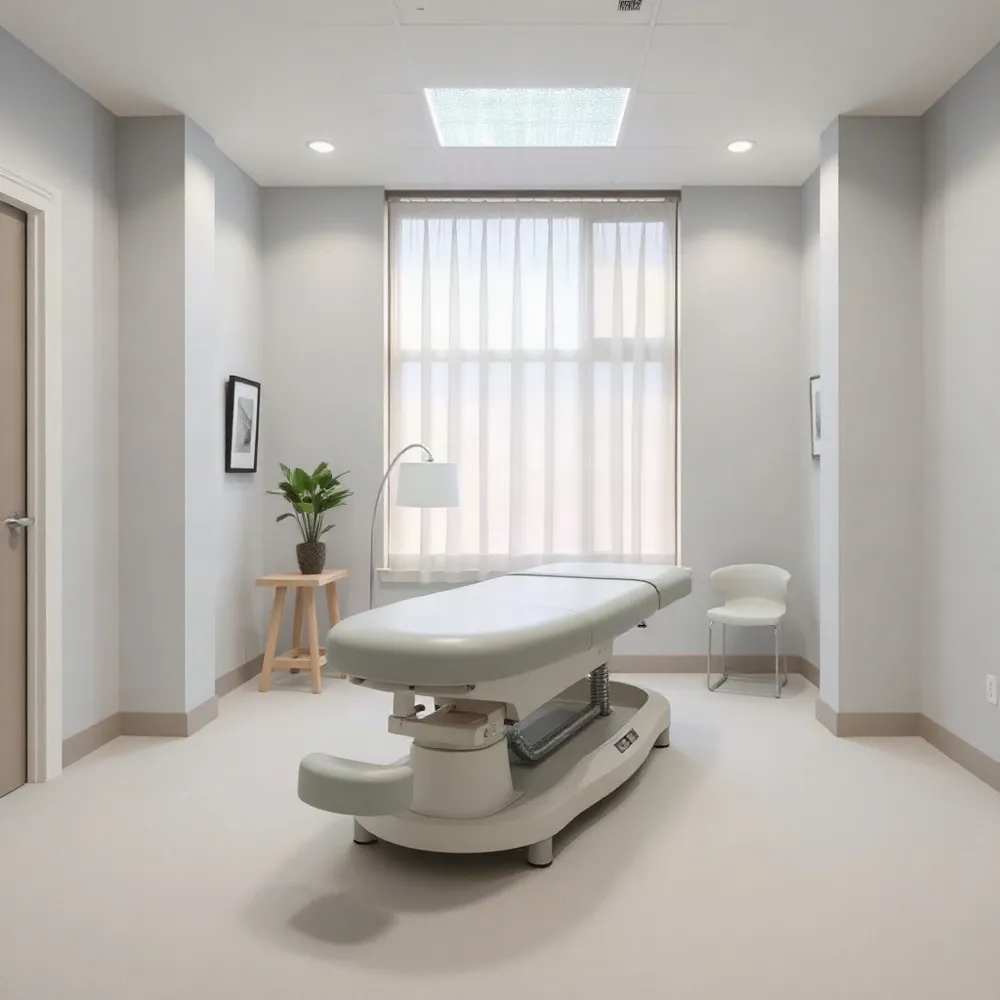 Nonsurgical spinal decompression is a form of mechanical traction. A person lies on a specialized table while a harness and motorized system apply controlled pulling and release, with the aim of reducing pressure on spinal discs and nearby nerves. The term “spinal decompression” is broad: it can also refer to surgery, such as removing disc material to take pressure off a nerve. These are different treatments, not versions of the same procedure. Cleveland Clinic explains the range of treatments called spinal decompression.
The proposed rationale is that controlled traction may change pressure on spinal structures and allow nearby muscles to relax. Some suggested effects, including changes in pressure inside a disc that might aid its nutrition or repair, remain uncertain. Decompression does not guarantee that a disc will move back into place or that symptoms will resolve.
A 2022 randomized study tested one motorized protocol in adults aged 18–60 with MRI-confirmed subacute lumbar disc herniation. Participants received ten sessions over eight weeks, or used the same setup and schedule without traction force. At three months, the MRI-based herniation index fell by an average of 27.6% in the active group, compared with 7.1% in the comparison group. Seven of 26 active-treatment participants had a reduction greater than 50%, versus none in the comparison group. These results describe the study participants, not an expected result for every patient. Read the study and its methods.
The active-treatment group also had lower leg-pain scores at the two-month assessment and lower disability scores at two and three months. Lower-back pain improved in both groups, but did not differ significantly between them. The findings suggest possible benefit for selected patients, not a guaranteed recovery or proof that decompression is better than other conservative care.
The trial had a small final sample, more withdrawals in the comparison group, and limited follow-up. It examined one motorized approach, so its results cannot establish that every device or traction method has the same effects. At West Buffalo Chiropractic, spinal decompression is one part of a broader range of services that includes adjustments, soft tissue therapy, and rehabilitation. A clinician can discuss whether it fits a person’s symptoms and health history, alongside other care options.
Recovery Without Surgery
Can a herniated or bulging disc heal without surgery?
Yes. Many people with a herniated disc improve without surgery, though the course of recovery varies. In a 2022 study of nonsurgical decompression for subacute lumbar disc herniation, both the active-treatment and comparison groups improved on several measures. That means some improvement may reflect natural recovery rather than decompression alone, and the findings do not predict an individual outcome. The study supports cautious expectations, not a guaranteed timeline.
Nonsurgical care may include staying active as advised, medication when appropriate, physiotherapy, exercise, or other approaches chosen for a person’s symptoms and health history. NYU Langone describes physical therapy and medication among options for managing herniated-disc symptoms. At West Buffalo Chiropractic, care may include rehabilitation and other services as part of a personalized approach; a clinician can help discuss which options may fit.
A disc problem does not automatically require surgery or decompression. Seek professional assessment if symptoms persist or worsen. New weakness or numbness around the groin, or loss of bladder or bowel control, needs urgent medical attention. West Buffalo Chiropractic provides chiropractic care in Buffalo, including rehabilitation, but urgent symptoms call for immediate medical evaluation.
Conservative Care and Daily Movement
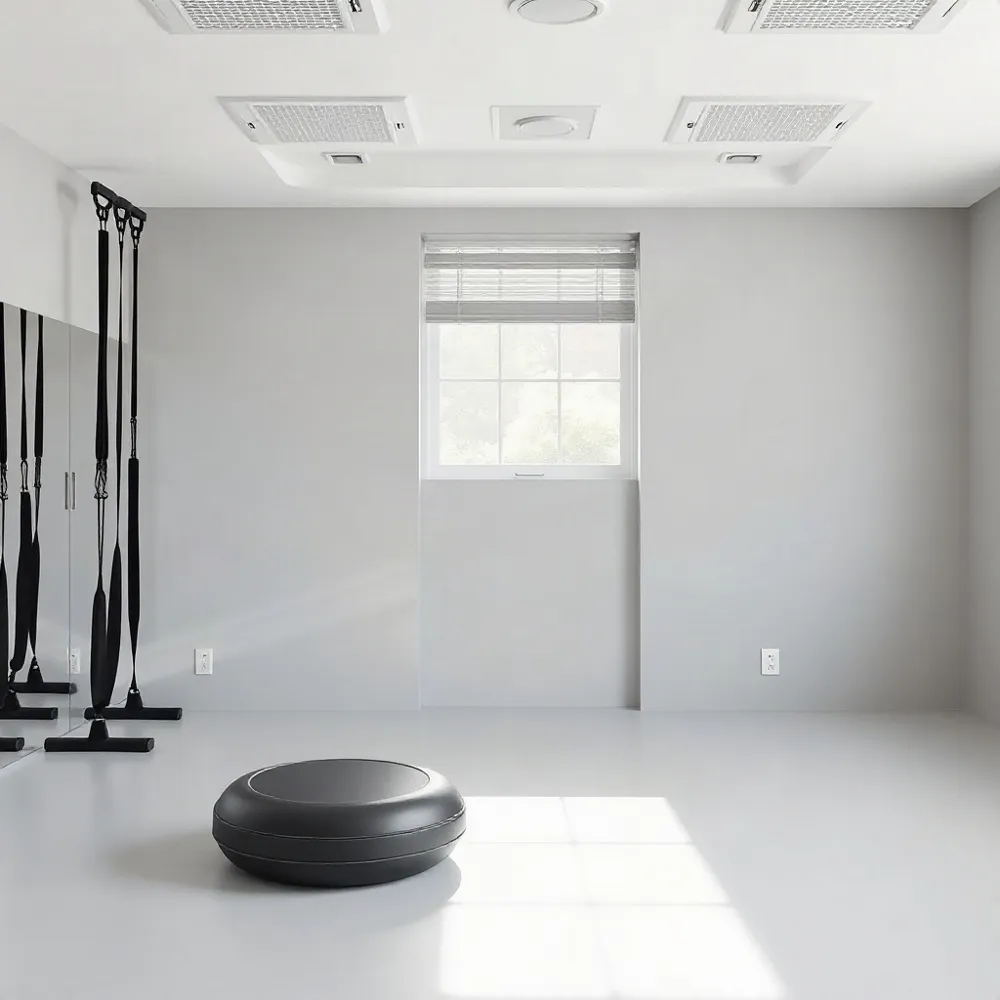 What nonsurgical treatments may help with a herniated disc? Care may include guided physical therapy, gentle mobility work, stretching, core strengthening, and posture training. A clinician may also recommend medication when appropriate and safe. Treatment depends on your symptoms, health history, and examination. NYU Langone’s guidance on nonsurgical herniated-disc care describes physical therapy as an option that can be tailored to a person’s needs.
Light activity, as symptoms allow, is generally preferable to prolonged bed rest. Temporarily avoid heavy lifting, twisting while lifting, repeated bending, forceful rotation, high-impact activity, and strenuous exercise if they worsen pain, numbness, tingling, or weakness. Break up long periods of sitting with brief walks or position changes, and return to exercise gradually with professional guidance.
At West Buffalo Chiropractic, care options include spinal adjustments, soft-tissue therapy, and rehabilitation. These may be considered based on an individual assessment, but none should be presented as a guaranteed repair for a disc. A clinician can help identify activities to modify and select an approach suited to your symptoms.
What exercises or activities should be avoided with a herniated or bulging disc? Pause or modify movements that trigger or increase symptoms, and ask a healthcare professional how to resume them safely. Seek urgent medical care for new or worsening weakness, numbness around the groin, or loss of bladder or bowel control.
Safety and Individual Assessment
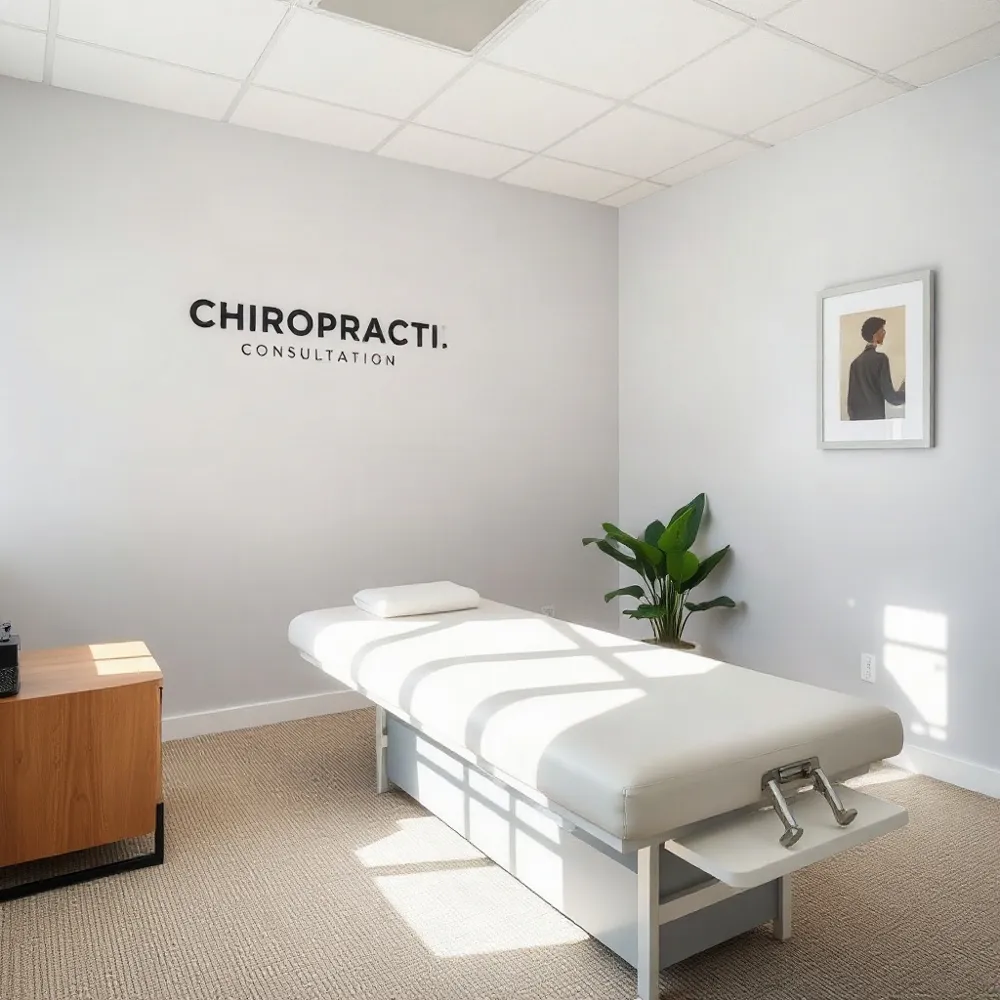 Is nonsurgical spinal decompression therapy safe, and what are its potential risks? It may be a low-risk option for some appropriately screened patients, but it is not suitable for everyone and results are not guaranteed. A clinician should first consider the suspected diagnosis, symptoms, health history, and examination findings. Depending on the situation, imaging such as an MRI, CT scan, or X-ray may help investigate the cause of pain, as Cleveland Clinic explains.
Potential short-term effects can include soreness, muscle spasms, or increased back or leg pain. Tell the clinician if discomfort rises during a session, and stop the treatment rather than trying to push through it. At West Buffalo Chiropractic, care may include spinal decompression alongside other services such as soft tissue therapy and rehabilitation, so discussing your symptoms and medical history helps inform whether this approach fits your needs.
Some circumstances may require extra caution or make traction-based treatment unsuitable. These include pregnancy, a spinal fracture, severe osteoporosis, spinal implants, or a history of spinal surgery. A provider should review these factors and discuss alternatives before treatment begins. West Buffalo Chiropractic describes its care as personalized, making an individual review more appropriate than assuming one treatment fits every patient.
A 2022 randomized trial of nonsurgical spinal decompression reported no treatment-related adverse events among the participants during follow-up. However, the final analysis was small and included selected adults with subacute lumbar disc herniation, so the finding does not prove that treatment is risk-free for everyone or that other protocols have the same safety profile. The study’s results and limitations are reasons to discuss both potential benefits and uncertainties with a qualified clinician.
Seek urgent medical evaluation for new or worsening leg weakness, numbness around the groin, or loss of bladder or bowel control. These symptoms need prompt assessment rather than a routine therapy appointment.
Treatment Time and Expectations
A session of nonsurgical spinal decompression commonly takes about 30 to 45 minutes, but the total course depends on the treatment approach, the condition being addressed, and how a person responds. There is no single schedule that applies to everyone.
One clinical trial offers a concrete example, not a standard prescription: participants received ten 30-minute sessions over eight weeks, with visits twice weekly at first and then once weekly. The study involved a specific motorized protocol for selected adults with subacute lumbar disc herniation, so its schedule and findings may not apply to other patients or devices. Read the study details.
The researchers assessed participants through three months. Some measures favored decompression, while both groups improved over time; the trial does not establish how long any benefit lasts or guarantee early relief. Treatment response varies, and a clinician may adjust or reconsider a plan if progress is limited.
At West Buffalo Chiropractic, care may include spinal decompression alongside other services such as soft tissue therapy or rehabilitation. Ask what changes the clinician will track, when progress will be reviewed, and what alternatives may be considered if your symptoms or function do not improve.
Questions Before Home Traction
Before trying a home traction device, ask a qualified healthcare provider to assess what may be causing your pain and whether traction is appropriate. The best approach depends on your health history and the condition being treated, so a device marketed for back pain is not automatically suitable. West Buffalo Chiropractic offers spinal decompression as part of its broader chiropractic services, alongside rehabilitation and soft tissue therapy; an individual assessment can help clarify which care options fit your needs.
Home devices may provide gentle stretching or limited, temporary relief, but they should not be expected to reproduce clinic-based treatment or fix a disc problem. A small clinical trial studied a specific motorized protocol for selected adults with subacute lumbar disc herniation, so its findings cannot be assumed to apply to home equipment or every traction method. See the clinical trial on nonsurgical spinal decompression for its scope and limitations.
Do not guess at the device, pulling force, angle, or session length. Follow instructions from your provider and the device manufacturer, and check with your provider first if you have a diagnosed spinal condition or other health concerns. Stop using the device if pain, numbness, weakness, or other symptoms worsen.
Ask about other care options as well. Seek prompt medical attention for severe or concerning symptoms, especially new or worsening weakness. A clinician can help determine whether home traction is appropriate or whether another evaluation or treatment is needed.
Understanding Treatment Costs
What factors affect the cost of spinal decompression therapy? Prices can depend on the treatment and equipment used, the clinic’s location and operating costs, and the provider’s experience. Your diagnosis and the complexity of your condition may also affect how many sessions are recommended.
The total may include more than decompression sessions. An evaluation or imaging review, along with services such as adjustments, soft-tissue therapy, or rehabilitation, can affect the cost if they are part of your care plan. West Buffalo Chiropractic offers several of these services, so ask which are included in any proposed plan.
Before starting, ask whether the clinic charges per visit or offers a package, what each price covers, and how many visits are recommended. Also ask whether insurance benefits or payment plans may apply. West Buffalo Chiropractic mentions CareCredit financing, but confirm current terms and eligibility with the clinic directly.
A Personalized Path Forward
A small trial found possible benefits from one motorized decompression protocol, but it does not establish that every device or patient will have the same results. Disc symptoms may also improve over time, so improvement cannot always be credited to treatment alone. The study’s findings and limitations call for measured expectations.
Before choosing care, discuss your symptoms, health history, treatment alternatives, and goals with a qualified clinician. At West Buffalo Chiropractic, care is described as personalized and whole-person, giving patients a setting to discuss options without assuming one treatment suits everyone.