Recovery Beyond One Symptom
Recovery does not always follow a straight line from one painful area to feeling well again. Physical function, emotional well-being, daily habits, relationships, and surroundings can all shape how a person experiences discomfort and progress. A small qualitative study of older adults also describes recovery as involving connected physical, psychological, spiritual, and interpersonal dimensions, while noting that its findings are perspectives rather than proof of cause and effect (study on self-healing and recovery).
A whole-person view considers those wider circumstances alongside symptoms. It does not mean one treatment can address every aspect of health, or that musculoskeletal care replaces medical evaluation when it is needed. Chiropractic adjustments may help some people with pain or physical function, but care should be based on an individual assessment and can complement, rather than replace, medical care (Cleveland Clinic guidance on chiropractic adjustments).
At West Buffalo Chiropractic, Dr. Francisco Vaquero, D.C., provides personalized care that may include spinal adjustments, spinal decompression, soft tissue therapy, rehabilitation, or ultrasound therapy, depending on a person’s needs. These services address musculoskeletal concerns; they are not guaranteed solutions for every symptom. A broader view can help keep care focused on the person’s goals and appropriate next steps.
What Whole Person Care Considers
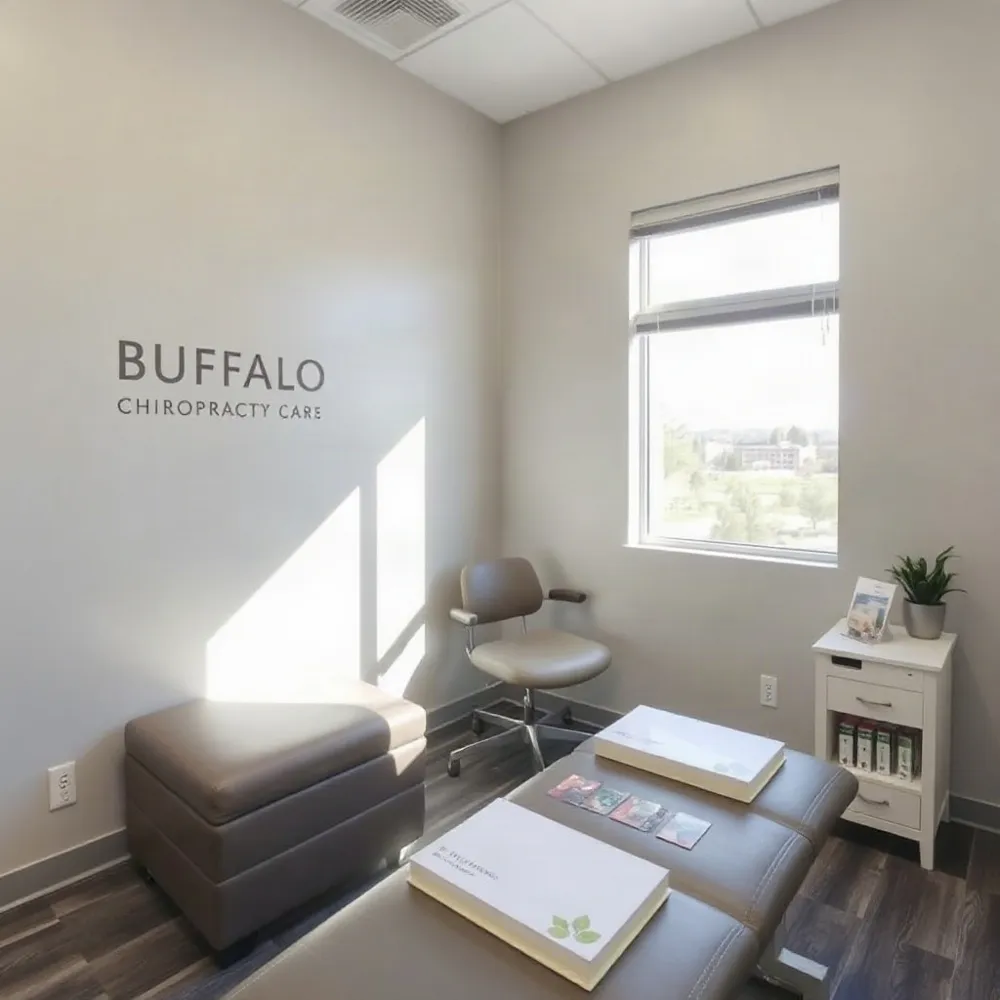 A whole-person approach looks beyond the site of pain. Spine and joint movement, nearby muscles, everyday activities, health history, and personal goals can all help shape an appropriate care plan. This does not mean every symptom has the same cause or that one treatment suits everyone.
At West Buffalo Chiropractic, care is personalized around each person's needs and comfort. An assessment helps guide decisions about whether options such as spinal adjustments, soft tissue therapy, spinal decompression, ultrasound, or rehabilitation exercises may be suitable. A chiropractic adjustment is one possible part of care, not a substitute for other medical treatment when that is needed.
The plan may also address practical steps between visits, such as movement exercises or habits that support everyday function. Research from interviews with older adults describes recovery as involving physical, psychological, and social dimensions, though the small qualitative study does not show that any one factor causes faster recovery (study on self-healing and self-health).
Patients can share what activities are difficult, what they hope to improve, and how they respond to care. When a concern calls for input beyond chiropractic services, West Buffalo Chiropractic can coordinate with other healthcare providers when appropriate. That keeps decisions grounded in the person's circumstances rather than in a preset sequence of treatments.
The Conditions Care May Address
People often seek chiropractic assessment for musculoskeletal concerns such as lower-back or neck pain, tight muscles, joint discomfort, stiffness, or reduced range of motion. Some also ask about headaches, sciatica, or pain and movement problems after an auto accident, whiplash, or sports injury. These are reasons to seek an assessment, not a guarantee that chiropractic treatment is suitable or will resolve the problem. The Cleveland Clinic’s overview of chiropractic adjustments notes that care may address several types of musculoskeletal discomfort and that each person’s reason for treatment is unique.
Treatment depends on the person’s symptoms, health history, and goals. At West Buffalo Chiropractic, available services include spinal adjustments, soft tissue therapy, spinal decompression, and rehabilitation. A provider may recommend one approach or combine services, then adjust the plan based on assessment and response. Exercises and rehabilitation may also support mobility and function.
Results vary, and chiropractic care complements rather than replaces medical evaluation when needed. Persistent or worsening symptoms should be discussed with a qualified healthcare professional. Numbness, weakness, or other serious symptoms warrant prompt assessment, since they may require care beyond chiropractic treatment. A clinician can help determine the appropriate next step, including whether chiropractic care is suitable.
Working With Soft Tissues
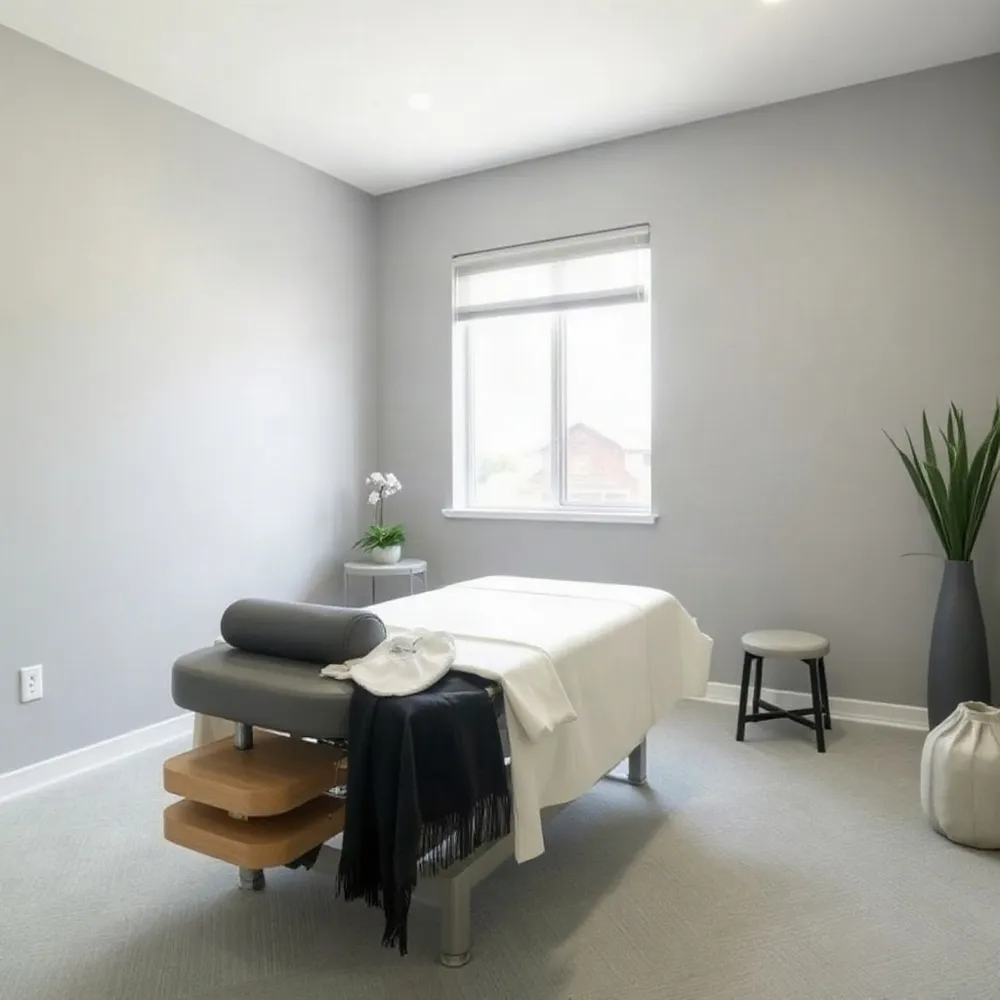 Soft tissue therapy focuses on muscles, tendons, ligaments, and related tissues that may become tight, irritated, or injured. It uses hands-on methods or instruments to address restricted areas, with the aim of easing tension and discomfort and supporting mobility. Responses vary, so treatment should be guided by an assessment rather than a promise of a particular result.
Techniques may include therapeutic massage, targeted pressure, stretching, myofascial release, or active release methods that work on a restricted area while you move. Research has examined soft tissue therapy for musculoskeletal concerns, though the methods and findings vary across studies (research review). Technique choice depends on the person's symptoms, condition, and comfort.
At West Buffalo Chiropractic, soft tissue therapy is one of several available services, alongside spinal adjustments and rehabilitation. An assessment can help determine whether soft tissue work is appropriate and how it might fit with other care. Depending on individual needs, it may be combined with adjustments or rehabilitation exercises to support flexibility and movement as part of recovery.
Understanding Adjustment Side Effects
After an adjustment, some people notice temporary soreness, stiffness, a dull ache, mild headache or neck discomfort, or fatigue. Others feel no change or experience relief. Responses vary, and mild effects generally settle within a short time. The Cleveland Clinic’s guidance on chiropractic adjustments notes that minor soreness and aches usually resolve within 24 hours.
Tell your chiropractor about any new symptoms, especially if they are severe, worsening, unusual for you, or persist beyond a few days. Discuss concerns before having further treatment. At West Buffalo Chiropractic, care is provided by Dr. Francisco Vaquero, D.C.; share your health history and how you respond so the clinician can assess whether to continue or adjust the plan.
Seek urgent medical care for sudden, severe headache or neck pain, weakness or numbness, trouble speaking, dizziness or loss of coordination, vision changes, or loss of bladder or bowel control. These symptoms warrant prompt evaluation rather than waiting to see whether they pass.
A screening can help determine whether an adjustment is appropriate, and chiropractic care should be delivered by a trained, licensed chiropractor. Persistent or concerning symptoms may need medical assessment, since adjustments complement rather than replace other medical care.
What Happens During an Appointment
A chiropractic adjustment may take only a few minutes, but it is just one part of an appointment. A first visit often includes a review of your health history, an examination, and a discussion of a care plan suited to your needs. A chiropractic adjustment is one treatment option, and an assessment helps determine whether it is appropriate.
As a general estimate, a first appointment may take about 45 minutes to an hour, while follow-up visits may last around 20 to 40 minutes. These are typical ranges, not confirmed scheduling times for West Buffalo Chiropractic. The clinic offers personalized care, and the visit may include services beyond an adjustment.
Soft tissue therapy or rehabilitation can add time, depending on what your care plan includes. West Buffalo Chiropractic provides both services, alongside spinal adjustments and other treatment options. When booking, ask the clinic how much time to allow for your visit, especially if additional services are planned.
Recovery and Rehabilitation Work Together
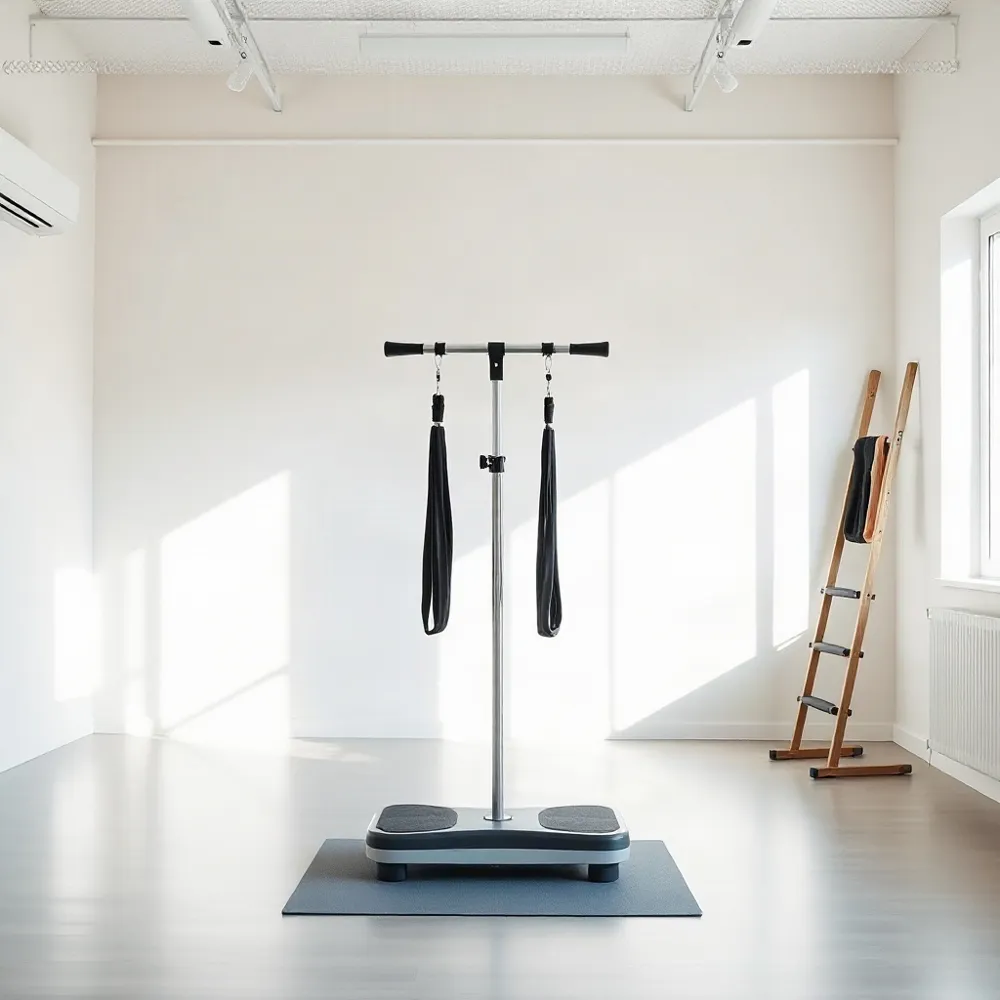 Recovery is the overall process of healing after an injury, illness, or surgery. Rehabilitation is guided care within that process, intended to help restore strength, mobility, and the ability to manage daily activities. Recovery can unfold over time, while rehabilitation provides structured support for specific limitations and goals.
A rehabilitation plan may combine tailored exercises, movement guidance, and hands-on care. These approaches can help address stiffness, weakness, or difficulty moving, with activities built up gradually as a person’s condition allows. The aim is to support a safe return to everyday tasks, not to force progress on a fixed schedule.
Goals, symptoms, and barriers vary from person to person, so the plan may need to change as recovery progresses. A small qualitative study of older adults described recovery as involving physical, psychological, and social factors, but its findings offer perspectives rather than proof of what speeds healing in this study. Persistent or worsening symptoms should be discussed with an appropriate healthcare provider.
At West Buffalo Chiropractic, rehabilitation is offered alongside chiropractic services such as spinal adjustments, soft tissue therapy, and spinal decompression. Dr. Francisco Vaquero can assess a person’s needs and discuss whether these services may fit their goals; chiropractic care does not replace medical evaluation or treatment when that is needed.
Costs and Ways to Pay
Chiropractic costs depend on the provider, location, and services included in a care plan. National estimates put an initial exam at about $76–$152, an adjustment at $76–$81, and non-surgical spinal decompression at around $100. These are estimates, not West Buffalo Chiropractic prices, and additional office or therapy fees may apply.
The actual cost at West Buffalo Chiropractic depends on the care recommended for your needs. Request a personalized estimate before beginning treatment, and ask whether the estimate includes examinations, adjustments, rehabilitation, or other services.
Insurance, self-pay, and CareCredit may be possible payment avenues. Coverage and financing depend on your plan, eligibility, approval, and availability, so contact the clinic to confirm accepted payment methods and discuss costs before scheduling care.
A More Complete View of Progress
Progress can involve more than a change in pain. Movement, daily habits, emotional well-being, and appropriate professional support may all shape how recovery feels. A small qualitative study of older adults described recovery across physical, psychological, spiritual, and social dimensions, while noting that its findings are perspectives, not proof of cause and effect (study on self-healing and recovery).
Before choosing care, share your health history, explain what activities you hope to return to, and ask what each recommended treatment is intended to address. A clinical screening can help determine whether chiropractic care is suitable, and chiropractic treatment is meant to complement, not replace, appropriate medical care (Cleveland Clinic’s guide to chiropractic adjustments).
At West Buffalo Chiropractic, personalized care may include adjustments, soft tissue therapy, or rehabilitation, depending on a person’s needs. These services can be considered as part of a broader recovery plan, but treatment and results vary by individual.