When Heel Pain Interrupts Daily Life
A sharp ache under the heel can greet you with the first steps after waking, or return when you stand after sitting. Walking and standing may become uncomfortable, making ordinary routines harder.
Plantar fasciitis is one common cause of heel pain. It involves irritation of the band of tissue supporting the foot’s arch, but similar symptoms can arise from other conditions, so pain alone cannot confirm the cause. The Cleveland Clinic’s overview of plantar fasciitis explains common symptoms and treatment options.
This article looks at how plantar fascia strain develops, conservative steps that may support recovery, and where an individualized chiropractic assessment may fit. At West Buffalo Chiropractic in Buffalo, Dr. Francisco Vaquero, D.C., leads care that includes soft-tissue therapy and rehabilitation; an assessment can help guide appropriate next steps, not promise a cure.
Understanding Plantar Fascia Strain
 The plantar fascia is a thick band of connective tissue that runs along the sole from the heel toward the toes. It helps support the foot’s arch as you stand and move. When the tissue becomes irritated or strained, the resulting condition is called plantar fasciitis. Cleveland Clinic’s overview of plantar fasciitis describes it as a common cause of heel pain.
Repeated stress or excessive stretching can overload the fascia. Symptoms may build gradually, or follow a noticeable increase in running, jumping, or time spent on your feet. Prolonged standing, unfamiliar or intense exercise, unsupportive shoes, flat feet, high arches, and tight calf or Achilles structures may also contribute, though these factors do not cause symptoms in everyone.
Pain is often felt beneath the heel or along the arch. It may be strongest with the first steps after sleeping or sitting, then ease briefly as you move and return after activity or rest. One foot is commonly affected, but both can be involved. These patterns can suggest plantar fasciitis, but they do not confirm the cause.
Heel pain can have other explanations, so avoid assuming that every sore heel is plantar fasciitis. A healthcare professional can assess your symptoms and consider other causes, particularly if pain persists, worsens, or interferes with walking. At West Buffalo Chiropractic, care is personalized and includes rehabilitation and soft-tissue therapy; an assessment can help clarify whether chiropractic care may fit alongside other appropriate evaluation or treatment.
Conservative Care and Recovery
There is no single fastest treatment for plantar fasciitis. A steady, individualized plan is usually the starting point, with adjustments based on how your symptoms respond. At West Buffalo Chiropractic, care is personalized and may include rehabilitation and soft-tissue therapy as part of a broader plan.
At home, reduce or modify activities that aggravate the heel, choose supportive cushioned footwear, and apply ice for comfort. Gentle stretches for the plantar fascia and calf may help ease tension; begin gradually and stop if an exercise increases pain. Cleveland Clinic’s plantar fasciitis guidance describes these measures as common parts of conservative care.
A clinician or physical therapist can help tailor stretching and strengthening for the foot and lower leg. They may also discuss arch-supporting inserts, taping, or pain-relief medication, depending on your needs and health history. Use medication only as directed, and ask a healthcare professional if you are unsure whether it is appropriate for you.
Improvement may take weeks to months, and recovery varies with symptom severity, daily activity, and consistency with care. Returning to demanding activity too quickly can aggravate symptoms, so increase activity in response to your progress rather than relying on a fixed timetable.
Seek an assessment if pain persists or worsens, makes walking difficult, or has an uncertain cause. Other conditions can cause heel pain, and a healthcare professional can help determine whether plantar fasciitis is the source and what next steps are suitable. West Buffalo Chiropractic, led by Dr. Francisco Vaquero, D.C., offers chiropractic care in Buffalo, including rehabilitation and soft-tissue therapy; persistent symptoms may also warrant evaluation by another appropriate healthcare provider.
Movement That Supports Healing
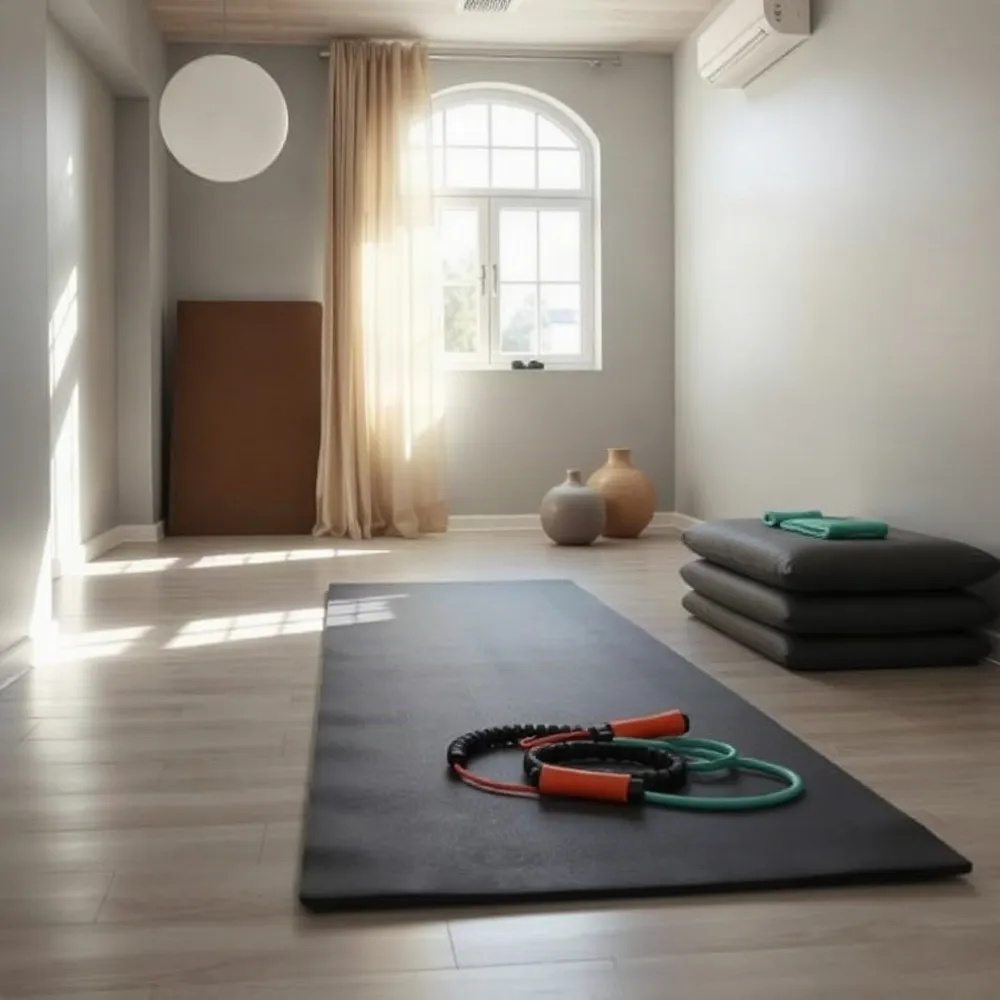 Gentle movement can keep the foot active without adding unnecessary strain. A seated plantar fascia stretch is one option: cross the affected foot over the other leg and draw the toes toward the shin until you feel a comfortable stretch along the sole. For a calf stretch, keep the affected heel grounded and ease forward until you feel a stretch in the lower leg.
Foot-strengthening exercises can be simple. Try gathering a small towel with your toes, or gently lifting the arch while keeping the toes relaxed on the floor. Washington University Orthopedics’ exercise guidance also describes toe curls and stretching as options. A clinician or physical therapist can demonstrate the movements and tailor how you progress.
Start gradually and keep stretches comfortable rather than forcing them. Stop if pain becomes sharp or worsens, and ask a clinician which movements suit your symptoms. Temporarily reduce heavy loading and activities that clearly aggravate the heel, such as running or hiking. Complete rest is not usually necessary: lower-impact movement may be continued if tolerated, with a gradual return to higher-impact activity as symptoms improve.
At West Buffalo Chiropractic, rehabilitation is among the clinic’s listed services, allowing exercise guidance to be considered alongside its broader personalized care. Exercise choices should still reflect an individual assessment, and persistent or worsening pain merits evaluation.
Where Chiropractic Care May Fit
A chiropractor may consider foot and ankle mobility, the pattern of your symptoms, and how you walk or stand before discussing care. The assessment may also look at calf flexibility and movement elsewhere in the lower body if these factors seem relevant to foot strain. Heel pain can have causes other than plantar fasciitis, so an examination should not assume the diagnosis.
Conservative care may include appropriate soft-tissue work, rehabilitation exercises, stretching, strengthening, and guidance on modifying aggravating activities. These approaches may help manage symptoms for some people, but results vary, and chiropractic care is not a proven cure for plantar fasciitis. At West Buffalo Chiropractic in Buffalo, Dr. Francisco Vaquero, D.C., provides care that includes soft-tissue therapy and rehabilitation; the clinic’s listed services also include ultrasound therapy. These offerings do not establish a specific plantar-fasciitis protocol, so treatment choices should follow an individual assessment.
Evidence from a single pediatric case report is limited: one child reported improvement after receiving joint manipulation, soft-tissue treatment, and home exercises together, so the report cannot show which element helped or predict outcomes for others. The case report is an example, not proof that the same approach will work for every patient.
A podiatrist can assess foot and ankle conditions, while a primary care clinician can evaluate heel pain and help identify an appropriate next step. A physical therapist or another qualified professional may guide exercise and activity changes. Dr. Vaquero can assess musculoskeletal concerns and discuss whether chiropractic care or referral is appropriate. Seek prompt medical assessment for severe pain, significant swelling, pain after an injury, or difficulty bearing weight.
Soft Tissue Techniques and Their Limits
The Graston Technique is a form of instrument-assisted soft-tissue mobilization. A trained provider uses specially designed tools to apply controlled pressure to areas of tissue restriction. For plantar fasciitis, a qualified clinician may consider it for tenderness or reduced mobility around the plantar fascia and nearby tissues, as one part of a broader care plan.
The technique is not a stand-alone cure, and benefit is not guaranteed. Responses vary, and treatment can cause temporary soreness or bruising, so a provider should assess whether it suits your symptoms and health history.
If hands-on care is considered, it is generally paired with measures such as stretching and strengthening, supportive footwear, and adjustments to activities that aggravate pain. West Buffalo Chiropractic lists soft-tissue therapy and rehabilitation among its services, but its supplied service details do not confirm that it offers the Graston Technique specifically.
Long-Term Outlook and When to Escalate
 Plantar fasciitis is usually not permanent. Many people improve with conservative care, though recovery may take several months, and pain can return if activity increases too quickly. A gradual return to demanding exercise, along with appropriate footwear and exercises, can help manage strain. Harvard Health outlines common nonsurgical approaches, including activity changes, stretching, ice, and supportive shoes, in its plantar fasciitis treatment guidance.
Surgery is uncommon and generally considered only when prolonged, structured nonsurgical care has not helped. A foot and ankle specialist can confirm the source of pain and discuss the possible benefits, risks, and alternatives. The Cleveland Clinic’s plantar fasciitis overview describes surgery as a rare option, not a routine next step.
There is no universally accepted four-stage classification of plantar fasciitis, so “stage 4” is not a standard diagnosis. Symptoms alone cannot show whether the fascia is thickened, scarred, or torn; persistent pain may need clinical assessment to clarify its cause.
Arrange reassessment if pain persists or returns, worsens, or makes walking difficult. West Buffalo Chiropractic, led by Dr. Francisco Vaquero, D.C., provides personalized musculoskeletal care and online appointment booking. An assessment can discuss movement and related factors, while a qualified medical professional can evaluate the diagnosis and whether other care is needed.
A Steady Path Toward Better Movement
A useful plan starts by confirming what is causing heel pain, since similar symptoms can have other sources. Care may combine activity changes, supportive shoes, and guided stretching or strengthening, adjusted to what the foot can tolerate. Cleveland Clinic’s plantar fasciitis guidance describes these conservative options.
Progress may be gradual, and the right approach differs from person to person. West Buffalo Chiropractic offers personalized care, including rehabilitation and soft-tissue therapy, while persistent, worsening, or concerning pain warrants evaluation by a qualified healthcare professional.