Considering Nonsurgical Options
Back or disc-related pain can affect movement, work, and everyday routines. It is understandable to look for ways to manage symptoms without an operation, but no single approach suits everyone. The right choice depends on the cause of the pain, a person’s health, and how symptoms change over time.
Most people with back pain do not need surgery, and clinicians may consider conservative care such as chiropractic treatment or physical therapy before an operation. Johns Hopkins Medicine explains when spine surgery may be considered. West Buffalo Chiropractic in Buffalo offers personalized care, including spinal decompression, as part of its services.
This overview describes nonsurgical spinal disc therapy and what to consider when evaluating it. It is not a promise of relief or a substitute for an individual assessment. A qualified healthcare provider can help determine whether a treatment is suitable and when further evaluation is needed.
How Spinal Decompression Is Described
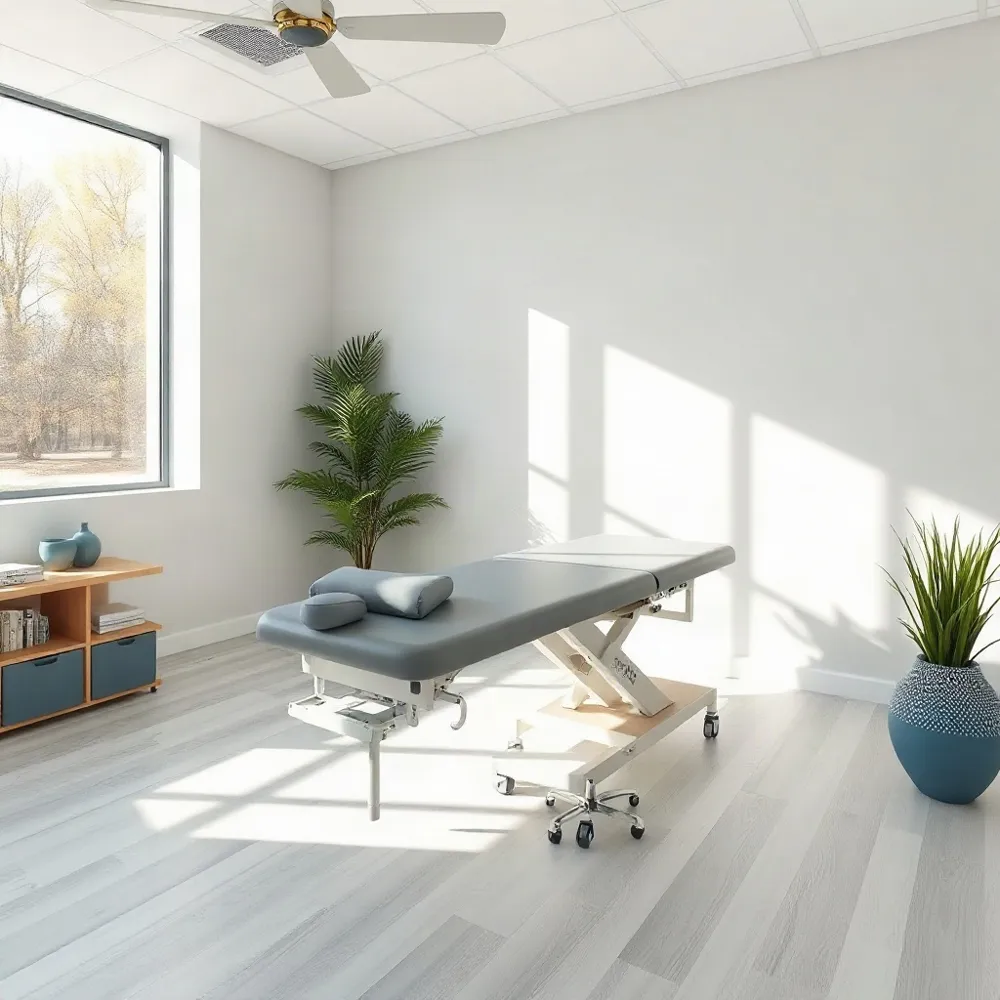 Nonsurgical spinal decompression therapy is a form of intermittent motorized traction. Depending on the system, the machine may vary the pulling force, the timing of tension and release, or the angle of traction. The general intent is to change forces on the spine, not to promise that a disc will heal or be repaired.
This approach is not the same as minimally invasive spine surgery. Even when a surgeon uses small incisions, surgery involves incisions and specialized instruments. Johns Hopkins Medicine describes surgery as a possible option for selected conditions when other treatments have not helped, rather than as another name for nonsurgical decompression. Its overview of minimally invasive spine surgery also stresses that surgery is not appropriate for every back problem.
Chiropractic care, physical therapy, traction, acupuncture, and transcutaneous electrical nerve stimulation (TENS) are distinct nonsurgical approaches, not interchangeable treatments. A healthcare provider can help assess which options fit a person’s condition and health history. Cleveland Clinic describes spinal decompression as one treatment category among several and notes that outcomes vary. Its spinal decompression overview can help explain the broader term.
At West Buffalo Chiropractic, spinal decompression is offered alongside spinal adjustments, soft tissue therapy, rehabilitation, and other services. Discussing symptoms and treatment history with a qualified provider can help clarify whether decompression is a suitable option or whether another form of care is more appropriate.
Potential Benefits and Evidence Limits
What are the potential benefits and limitations of spinal decompression therapy? The treatment is intended to reduce pressure on spinal structures. Some people may experience less pain or find everyday activities easier, but results vary, and relief is not assured. Cleveland Clinic describes pain relief and a return to daily activities as possible goals of spinal decompression, while noting that these treatments do not work for everyone (spinal decompression therapy).
The evidence also needs careful interpretation. A 2007 debate article reviewed research available through September 2006 and found a limited body of studies, with concerns about their quality. Some studies reported improvement, but the article concluded that the evidence did not support routine use of nonsurgical decompression (2007 evidence review). Its age and debate format mean it should not be treated as a current systematic review.
The studies had important limits, including small samples, lack of blinding, and, in some cases, no comparison group. The article also cautioned that results from one device or treatment position may not apply to another. These gaps make it difficult to tell how much improvement came from decompression itself or how well findings apply to different patients.
The review did not establish that decompression works better than exercise, spinal manipulation, standard medical care, or other conservative options. Benefits reported for minimally invasive spine surgery also should not be attributed to nonsurgical therapy, because surgery involves incisions and is a different treatment. At West Buffalo Chiropractic, spinal decompression is one service within a broader offering that includes spinal adjustments, soft tissue therapy, and rehabilitation. A clinician can help weigh potential benefits, limits, and alternatives for an individual case.
Disc Symptoms and Individual Assessment
 A herniated disc occurs when the gel-like center pushes through a tear in the disc’s outer covering. If it presses on a nearby nerve, symptoms may include pain, numbness, or weakness that travels into an arm or leg, depending on the disc’s location. Yale Medicine’s overview of herniated discs explains how nerve pressure can shape these symptoms.
Does nonsurgical spinal decompression therapy work for bulging or herniated discs?
Some small studies reviewed in a 2007 article reported improvement for certain patients, but the research had substantial limitations. It does not establish that nonsurgical decompression reliably shrinks a disc or provides lasting relief. The 2007 review of nonsurgical spinal decompression also cautioned that the evidence did not show the therapy was superior to other conservative care.
A 2022 study verifying reliable disc shrinkage or lasting relief is not established by the evidence available here. Nor should results from a surgical case be treated as proof for nonsurgical decompression: Yale Medicine’s patient story describes endoscopic surgery for one person, not a trial of traction therapy.
Treatment decisions depend on the diagnosis, the severity of symptoms, and how long they persist. At West Buffalo Chiropractic, care can be personalized around services such as spinal adjustments, soft-tissue therapy, and rehabilitation, but an assessment is needed to determine what fits a person’s situation.
Guided exercise or rehabilitation may be part of conservative care when appropriate. A healthcare provider can help choose suitable activities and assess whether decompression or another approach makes sense, rather than assuming one treatment fits every disc problem.
Safety and Suitability Come First
 Is nonsurgical spinal decompression therapy safe, and what side effects can it cause? The available sources do not establish a dependable rate of side effects or show that treatment is risk-free. A 2007 article reviewing earlier research reported one case in which a disc protrusion enlarged during treatment and urgent microdiscectomy was required. This single report cannot show how often such an event occurs, and the article is not a current safety review. The report on nonsurgical spinal decompression therefore supports caution, not a prediction about an individual’s risk.
Who may be a candidate for spinal decompression therapy, and who should avoid it? The supplied evidence does not provide a reliable candidate checklist or a verified list of conditions that rule out treatment. Decompression may be discussed as one option for some people with back pain or disc-related symptoms, but suitability depends on the diagnosis and the person’s health history. West Buffalo Chiropractic offers spinal decompression as part of its chiropractic services, but a service listing alone cannot establish that it is suitable for a particular person.
Before starting, discuss your symptoms, diagnosis, medical history, potential risks, and alternatives with a qualified healthcare professional. A clinician can help distinguish conservative care from procedures such as minimally invasive spine surgery, which still involves an operation and has its own risks. Johns Hopkins Medicine’s overview of minimally invasive spine surgery notes that treatment choices depend on the spinal problem and whether other approaches have helped.
Seek urgent medical care for new or worsening weakness, loss of bladder or bowel control, or numbness around the groin. These symptoms need prompt assessment rather than a routine therapy appointment. When symptoms change or raise concern, prioritize medical evaluation and discuss next steps with an appropriate healthcare professional.
Relief and Longer Term Expectations
Can spinal decompression provide lasting relief, or do symptoms tend to return? The available evidence does not establish how long relief from nonsurgical spinal decompression lasts or how often symptoms return. A 2007 review found important limits in the studies it examined, so lasting benefit cannot be promised. The review reflects evidence available at that time, not a current assessment.
Symptoms can also change with the underlying condition. Wear and tear in the spine may contribute to back pain, but easing symptoms does not show that disc changes have stopped or that future pain has been prevented. West Buffalo Chiropractic offers rehabilitation alongside spinal decompression, allowing care to be discussed as part of an individual plan rather than a guarantee of lasting relief.
Ask a qualified healthcare professional what improvement is realistic for your diagnosis, how progress will be reviewed, and whether rehabilitation or other conservative care may suit your needs. Cleveland Clinic’s overview of spinal decompression notes that outcomes vary and that treatment choice should account for health history and injury severity.
Managing Degenerative Disc Symptoms
What treatment options can help manage degenerative disc disease? The answer depends on symptoms, daily function, health history, and clinical findings. Imaging changes alone do not determine which care is appropriate, so discuss persistent or changing symptoms with a qualified healthcare provider.
Conservative options may include physical therapy, chiropractic care, traction, acupuncture, or TENS, a form of electrical nerve stimulation. These approaches differ, and none is right for everyone. A provider can help assess which options fit your circumstances. West Buffalo Chiropractic offers chiropractic care, spinal decompression, soft tissue therapy, and rehabilitation, allowing care to be considered in the context of a person's needs and function.
The Cleveland Clinic overview of spinal decompression therapy describes several nonsurgical approaches and notes that treatment choice should reflect a person's health and the severity of the problem. Relief and improved activity are possible aims, not guaranteed outcomes.
Surgery is a separate option from nonsurgical disc therapy. Most people with back pain do not need an operation, but a clinician may consider one for a diagnosed spinal problem that has not improved with other treatments. Johns Hopkins Medicine explains when minimally invasive spine surgery may be considered; despite the name, it remains surgery and is not the same as chiropractic care or traction.
Seek prompt medical evaluation for new or worsening weakness, or changes in bladder or bowel control. These symptoms need medical assessment rather than continued self-directed treatment.
Understanding Treatment Costs
What factors affect the cost of nonsurgical spinal decompression therapy? The supplied information does not verify West Buffalo Chiropractic’s prices, insurance coverage, or billing policies, so avoid relying on estimates from other clinics.
Contact West Buffalo Chiropractic directly to ask what an evaluation and recommended care would cost. Request an itemized estimate and clarify what each service includes, whether insurance or payment arrangements apply, and what terms govern any package before you commit.
The recommended plan may affect the total, but cost is only one part of the decision. Discuss whether treatment fits your diagnosis and health needs, what benefits are realistic, what risks to consider, and what alternatives may be appropriate. A lower quoted price alone does not establish that a treatment is suitable.
Choose Care With Clear Expectations
Back and disc symptoms can have different causes, so treatment decisions should reflect your health, examination findings, and goals. Evidence for nonsurgical spinal decompression remains limited, and no approach can promise the same result for everyone. Discuss your options with a qualified healthcare professional, especially if symptoms persist, worsen, or affect your strength or mobility.
If you are considering care at West Buffalo Chiropractic, ask how your condition will be assessed, what the proposed plan involves, what it may cost, and which alternatives may suit your needs. The clinic offers spinal decompression, adjustments, soft tissue therapy, and rehabilitation as part of its care. Clear answers can help you decide whether that approach fits your circumstances.