Recovery Begins With a Clear Plan
Workplace injury rehabilitation is a gradual process of restoring function and preparing for a safe return to work. Less pain can be encouraging, but it does not always mean you are ready for every job task or a full shift.
An injury may affect ordinary activities such as walking, sitting, or lifting as well as work duties. Recovery needs and timelines vary with the injury, a person’s health, and the physical demands of the job. A systematic review found wide variation in return-to-work outcomes across studies, so its pooled estimate is not a personal forecast (systematic review of return to work after occupational injuries).
A clear plan can connect clinical guidance with the tasks that matter in daily life and at work. At West Buffalo Chiropractic, care options include rehabilitation and soft-tissue therapy, which can be discussed with a clinician as part of an individualized plan; the appropriate approach depends on the person’s condition.
Respond Promptly and Document the Injury
 After a workplace injury, arrange medical care before turning to paperwork. For a serious injury, call 911 or go to an emergency department. Tell the healthcare provider that the injury happened at work, and describe your symptoms and how the incident occurred.
Notify your employer as soon as possible, preferably in writing. Include the date and location, what happened, your symptoms, and the names of any witnesses. In New York, written notice is generally due within 30 days. Telling your employer does not file a workers’ compensation claim for you, so check current requirements with the New York Workers’ Compensation Board or your claims administrator. The linked guidance discusses return-to-work practices, so confirm state-specific filing rules directly with the Board.
Keep copies of incident reports, medical records, treatment documents, and messages with your employer, insurer, or care team. Track changes in symptoms, medications, appointments, work updates, and any restrictions. Follow your provider’s instructions, including limits on work activities, and share updates through the appropriate channels.
Workers’ compensation treatment requirements and benefits depend on the claim and applicable rules. If pain continues or movement remains limited, consult a qualified healthcare provider. West Buffalo Chiropractic offers chiropractic care and rehabilitation, but confirm with your employer or claims administrator whether a particular provider or treatment meets your claim’s requirements. Research on return to work also emphasizes coordinating care with workplace accommodations, while recognizing that individual circumstances differ.
Understand the Injury and Its Effect on Function
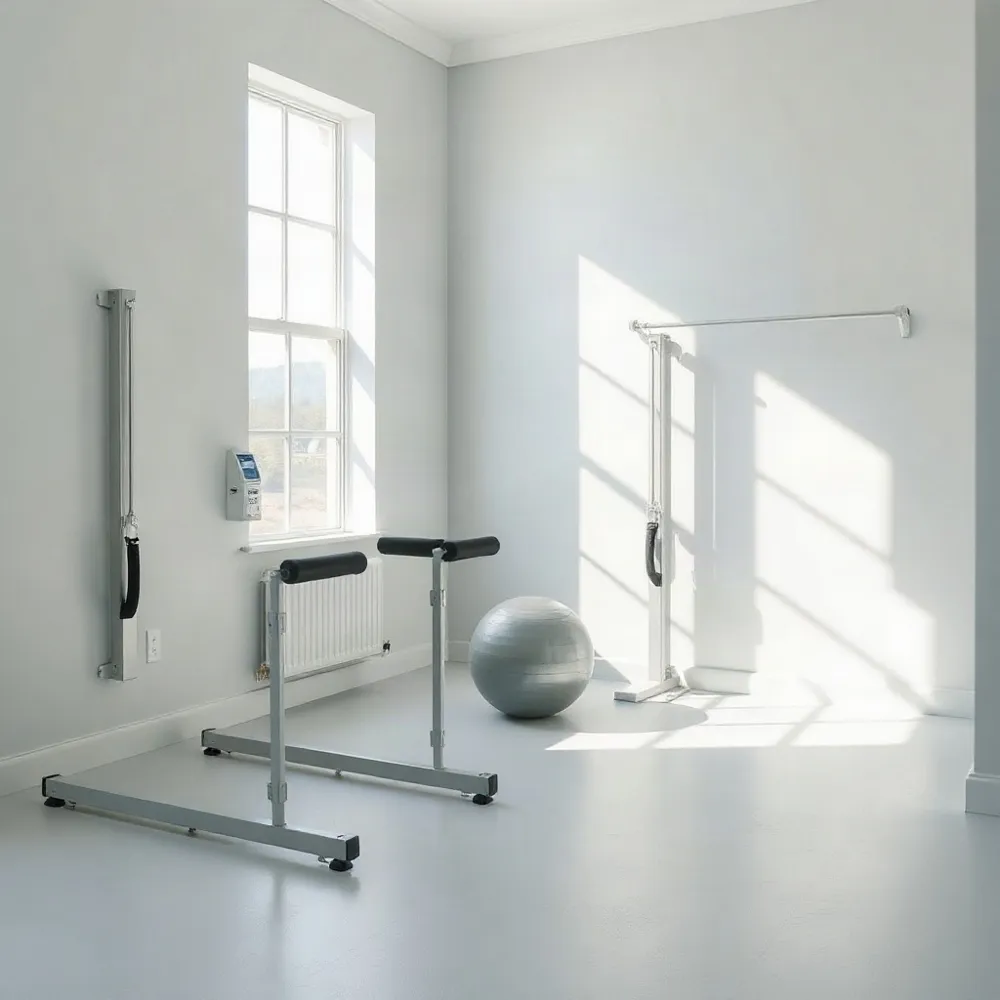 What are common workplace injuries that may benefit from rehabilitation? Low-back or neck strains, shoulder pain, and sprains can follow lifting, awkward positions, repeated movements, or long periods of sitting. Repeated typing or mouse use may also contribute to wrist and hand symptoms, including carpal tunnel symptoms.
Desk work can aggravate stiffness, while prolonged sitting may worsen pain that travels from the lower back into the legs. The effect is not limited to work: an injury may make walking, driving, cooking, sitting, or lifting harder. These limits can offer useful clues about how symptoms affect everyday function.
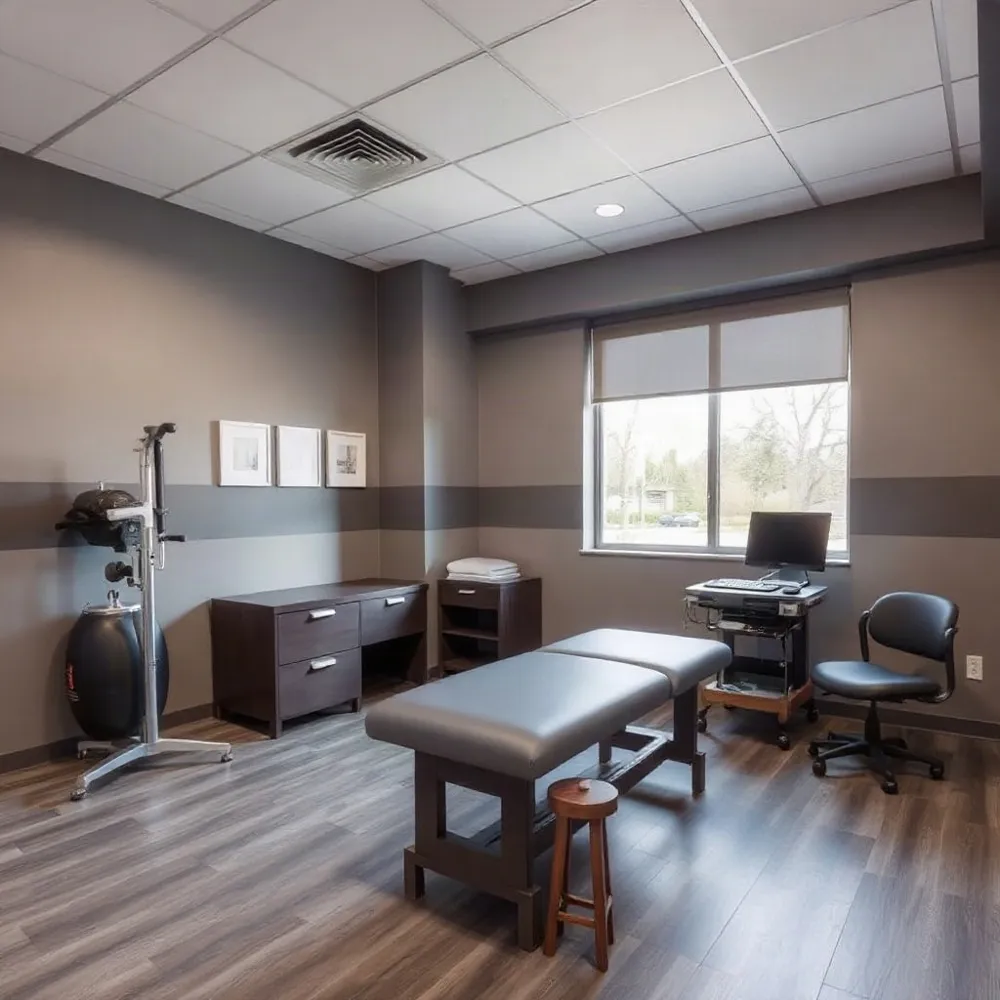
Before recommending care, a clinician should assess the likely cause and severity of symptoms, medical history, and functional limits. The plan should reflect what the person can do now and which movements bring on discomfort, rather than relying on the job title or a single symptom. A systematic review of return to work after occupational injuries also describes injury and job demands as factors that can shape recovery, while noting that outcomes vary between workers (review of return-to-work research).
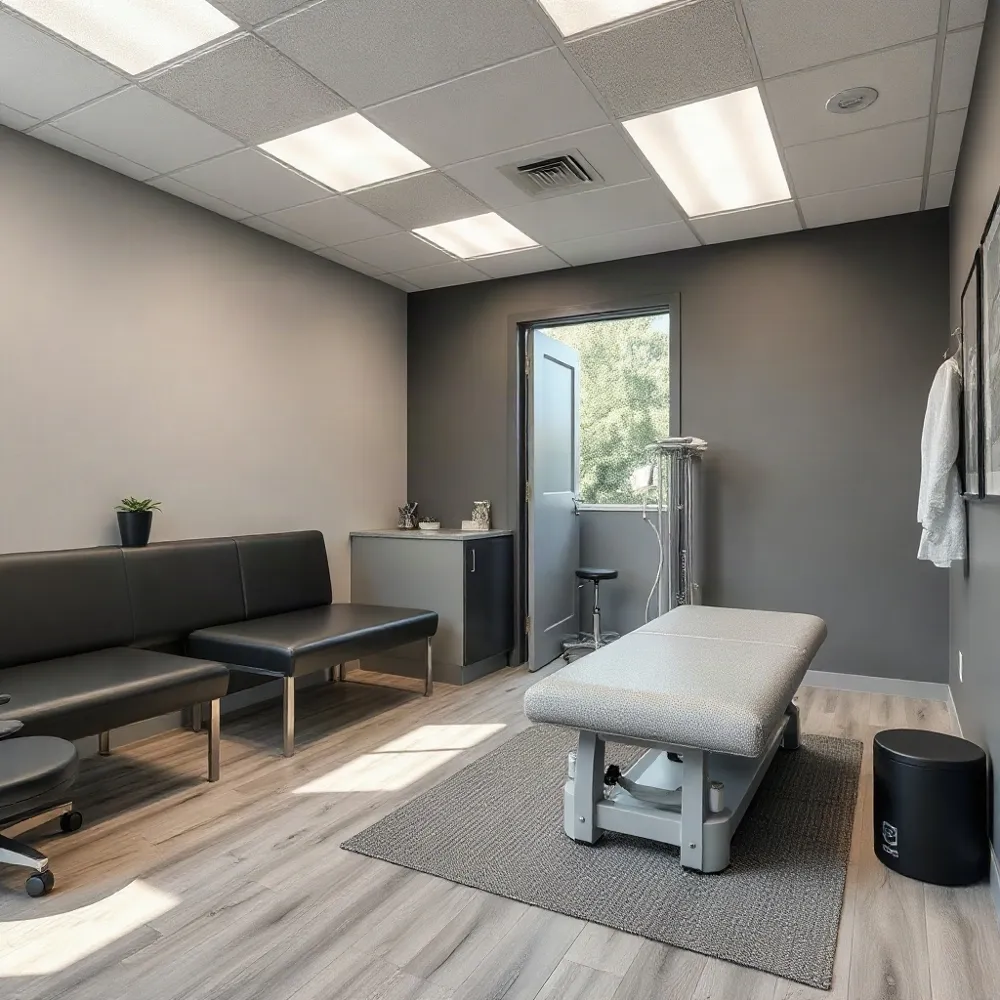
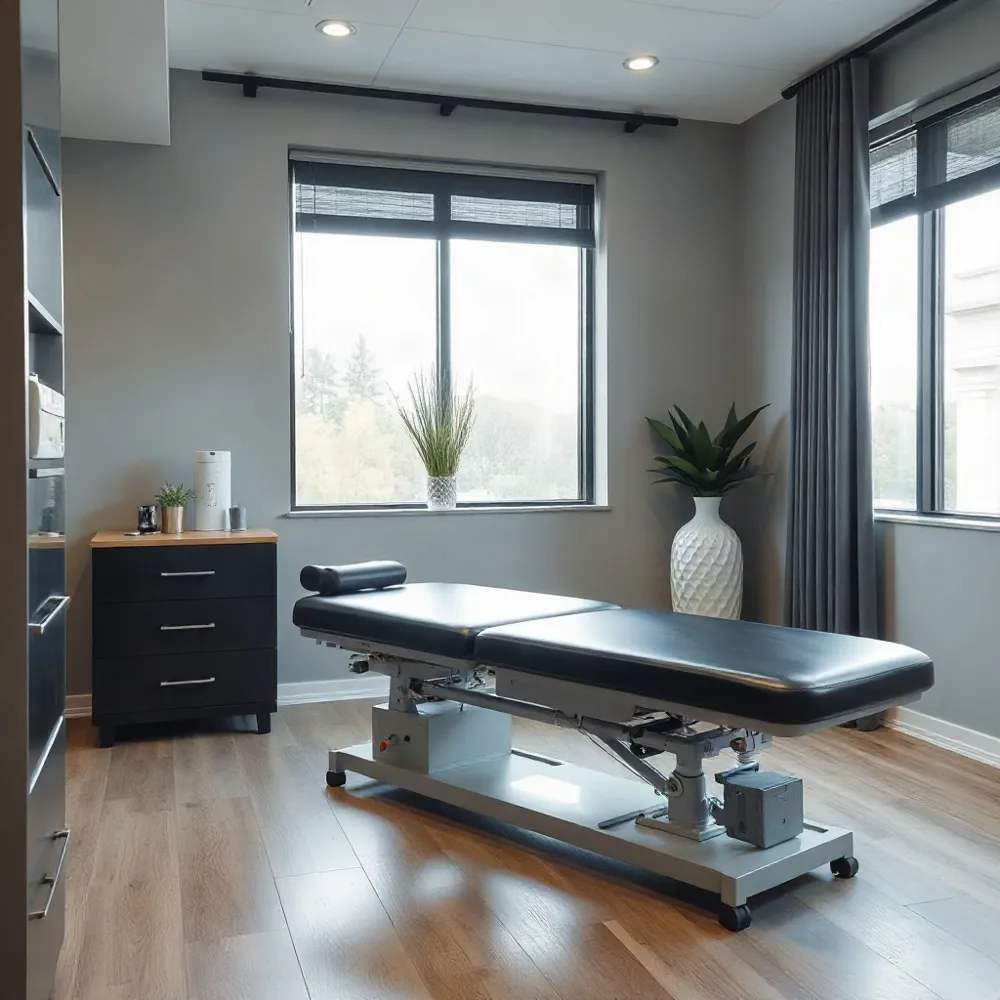
West Buffalo Chiropractic describes a whole-person approach that includes spinal adjustments, soft-tissue therapy, and rehabilitation. Which care is appropriate depends on an individual assessment; these services should not be treated as a substitute for evaluation by a qualified clinician.
Make Rehabilitation Individual and Work Focused
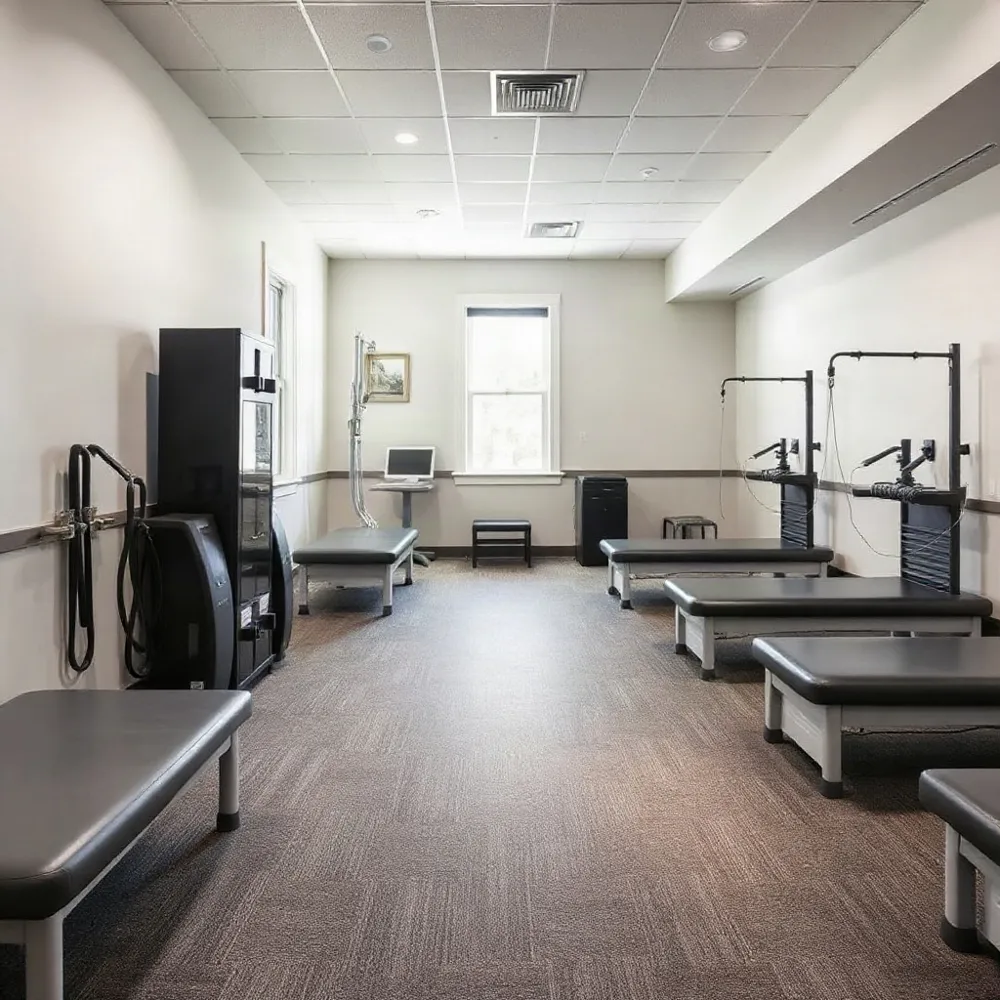
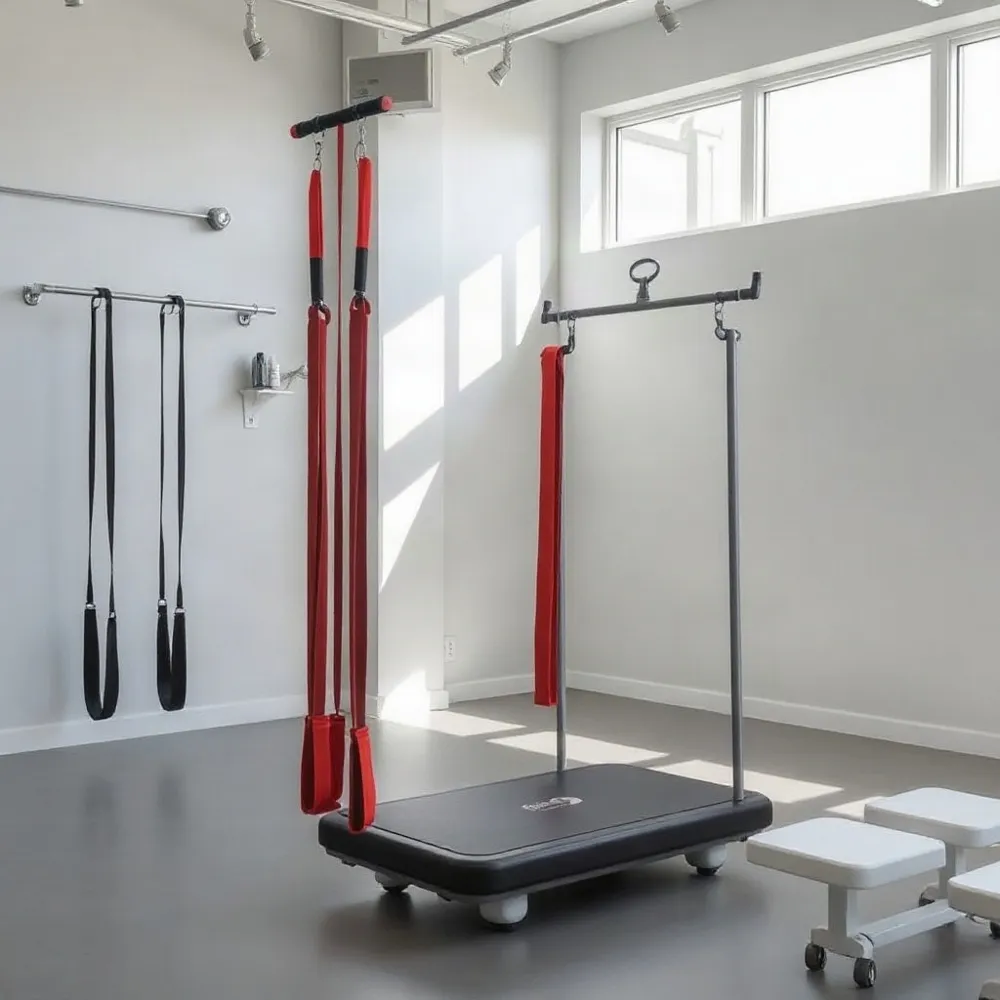 Rehabilitation can aim to reduce pain, restore mobility, rebuild strength and endurance, and prepare an employee for the physical demands of their job. The right goals depend on the injury, current abilities, and tasks the person needs to perform.
A plan may include stretching and mobility work, targeted strengthening, ergonomic guidance, and functional exercises that resemble work tasks. For example, an employee may practice movements relevant to lifting, prolonged standing, or repeated hand use. These are general options, not a fixed treatment recipe.
Some recovery plans also involve physical or occupational therapy, pain management, or other services. Follow-up assessments can help providers track changes and adjust the plan when symptoms or functional abilities shift. A systematic review describes individualized rehabilitation and workplace accommodations as considerations in supporting return to work, while noting substantial variation in the research findings (systematic review of return to work after occupational injuries.
At West Buffalo Chiropractic, rehabilitation and soft-tissue therapy are among the clinic’s listed services. A qualified provider can discuss whether a chiropractic assessment or care may be appropriate for a particular condition; no single approach suits every injury, and treatment should follow an individual evaluation.
Tell healthcare providers honestly about pain, restricted movement, emotional stress, and activities that worsen symptoms. Stress, anxiety, low mood, sleep difficulties, or isolation also deserve attention. Support may come from family, a counselor, or a mental health professional, alongside care for physical recovery.
Return to Work at a Sustainable Pace
How soon can you return to work after an injury? There is no single timeline. Readiness depends on the injury, symptoms, recovery progress, and the physical demands of the job. Feeling less pain does not necessarily mean you can manage every essential task or a full shift.
A healthcare provider can assess movement, strength, endurance, and functional ability, then discuss whether full or modified duties are appropriate. Depending on the job and what is available, a transition might include reduced responsibilities, shorter shifts, extra breaks, or temporary limits on lifting, bending, driving, or prolonged sitting and standing. At West Buffalo Chiropractic, care includes rehabilitation and a personalized approach, but work restrictions and return-to-work decisions should be coordinated with the appropriate healthcare provider and employer.
Follow medical restrictions even when you feel ready to do more. Avoid activities that worsen symptoms, and tell your employer if particular duties cause discomfort so possible adjustments can be discussed. Rushing back to full duties may increase the risk of reinjury. Seek urgent medical care for severe or worsening symptoms, weakness, or numbness.
A systematic review found that 79% of injured workers returned to work after treatment, while nine studies reported a pooled mean return time of about 102 days. The studies varied substantially, so these figures are not a prediction for an individual or a timetable to follow. The review emphasizes individualized rehabilitation and supportive workplace policies, but these are considerations rather than guaranteed results (systematic review of return to work after occupational injuries.
Communication among you, your healthcare providers, your employer, and relevant claims representatives can clarify restrictions, available accommodations, and next steps. A gradual plan can be adjusted as your functional capacity changes, rather than treating one return date as proof that recovery is complete.
Let Progress Guide the Next Step
Recovery is not always a straight line. Keep notes on symptoms, appointments, restrictions, and changes in daily function, and share concerns with your healthcare provider. At West Buffalo Chiropractic, care may include rehabilitation and soft-tissue therapy as part of personalized chiropractic care, with treatment choices guided by clinical assessment.
Discuss persistent symptoms and possible modified duties with qualified healthcare and workplace contacts. A review of injured workers found that return-to-work outcomes and timing varied widely, so its pooled estimates are not a personal forecast (systematic review and meta-analysis). Let your progress and medical guidance, not a fixed schedule, shape the next step.