Understanding the Fundamentals of Soft Tissue Health
Muscles, tendons, and ligaments form the essential support structure for your skeleton, enabling every movement you make in your daily life. When these structures are damaged by sudden physical force or chronic mechanical overload, the result is a soft tissue injury. Understanding these components is critical, as they act as a biological shock-absorption system that keeps your joints stable and mobile.
While acute trauma often causes immediate issues like sprains or contusions, repetitive strain injuries stem from consistent, overuse patterns. These conditions arise when repetitive motions, such as typing or manual labor, create microscopic tears in the tissue fibers. Failing to address these micro-damages can lead to chronic inflammation and long-term functional impairment.
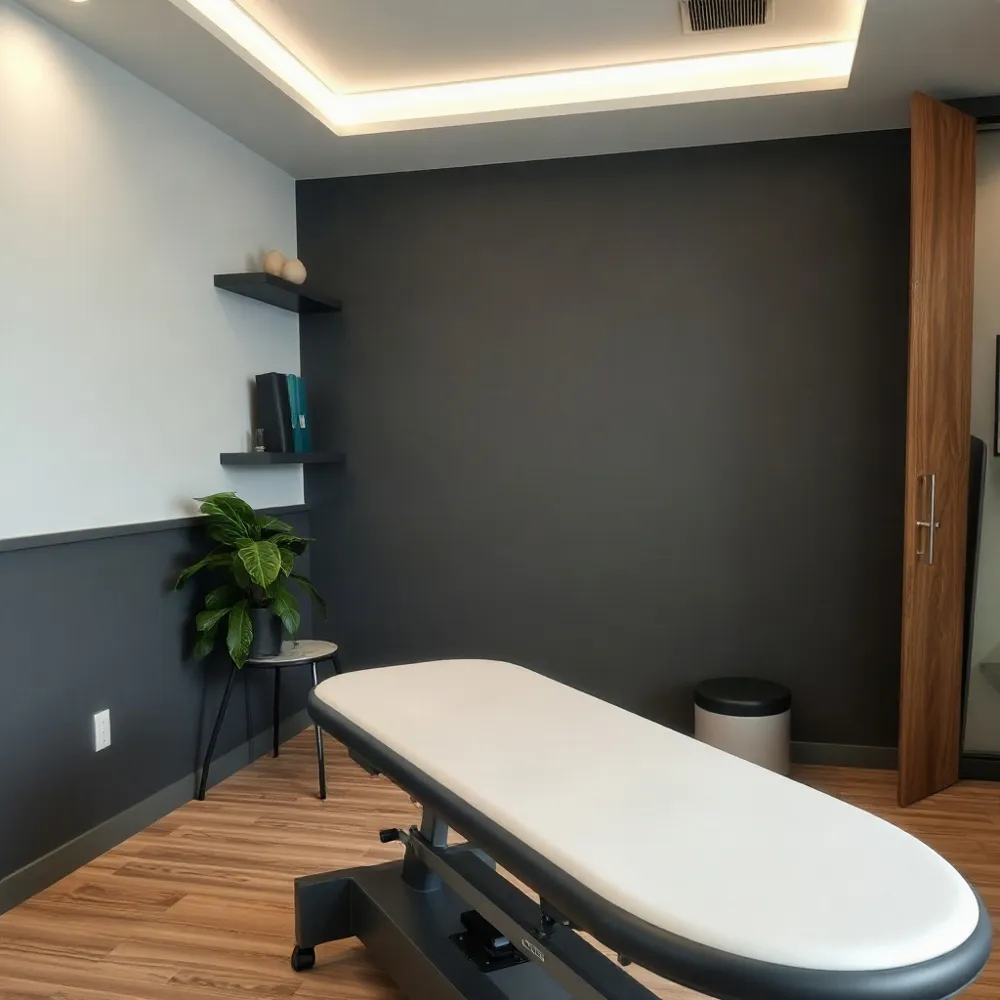
At West Buffalo Chiropractic, we utilize a whole-person approach to care. Rather than simply addressing isolated symptoms, our team evaluates how spinal alignment, muscle tension, and daily movement patterns interact. By integrating targeted soft tissue therapy alongside expert spinal adjustments, we provide a path toward restoring normal tissue function, preventing the development of chronic stiffness, and helping you return to your regular activities safely.
Defining Soft Tissue Injury and Its Severity
 A soft tissue injury involves damage to the muscles, tendons, or ligaments that support and stabilize your body’s skeletal system, as explained by the Cleveland Clinic. These injuries are typically caused by sudden acute trauma from accidents or chronic overuse, manifesting through various common conditions including sprains, strains, contusions, tendonitis, or bursitis.
While many such injuries are not inherently life-threatening, they represent a significant health concern that requires careful management. The seriousness of the condition depends on the specific extent of the damage. A Grade 1 injury might involve slight fiber damage, whereas a Grade 3 injury involves a complete tear of the ligament or tendon, which historically necessitates surgical consultation rather than simple conservative care, per the American Academy of Orthopaedic Surgeons.
Ignoring early warning signs often leads to chronic inflammation and lasting structural changes like contracture, where tissue tightens permanently. If you notice persistent pain, swelling, or a reduced range of motion, you should seek a professional assessment to determine the appropriate recovery path. At www.716chiropractic.com, we provide personalized evaluations to help you differentiate between manageable inflammation and more serious structural damage that requires specialized intervention.
When rehabilitation is delayed, your body may develop disorganized scar tissue that interferes with healthy movement. As noted by the NHS, failing to introduce early, controlled movement can actually increase stiffness. Professional guidance ensures you move past the initial PEACE and LOVE protocols toward active recovery without exceeding a pain threshold that risks further harm.
Identifying the Roots of Repetitive Strain Injuries
 Repetitive strain injuries (RSI) stem from the consistent repetition of specific motions or prolonged overuse of muscles, tendons, and nerves, often triggered by activities like typing, manual labor, sports, or poor posture per the Cleveland Clinic. When your body endures stress without adequate recovery time, microscopic tears develop in the soft tissue. These injuries affect various regions, including the shoulders, elbows, and wrists, causing significant disruption to daily movement.
Typical symptoms manifest gradually, beginning with localized aching, throbbing, or burning sensations. As the condition advances, you may notice persistent stiffness, muscle weakness, or tingling and numbness in the affected extremities. Some patients also report sensitivity to cold or heat as noted by the NHS. While West Buffalo Chiropractic emphasizes a whole-person approach to these conditions, failing to address early warning signs allows minor imbalances to progress into chronic inflammation, joint instability, or permanent structural damage.
Many individuals ignore these early signals, mistakenly hoping that simple rest will resolve the issue. If discomfort persists or hinders your ability to perform routine tasks, professional evaluation is essential to prevent long-term complications as outlined by the Cleveland Clinic. Patients who seek care at www.716chiropractic.com receive tailored assessments that identify faulty movement patterns before they result in significant dysfunction.
Clinical Chiropractic Solutions for Musculoskeletal Pain
 Chiropractic care offers a structured approach to managing both acute soft tissue injuries and the persistent discomfort of Repetitive Strain Injury (RSI). Unlike masking symptoms with temporary relief methods, these clinical interventions prioritize restoring the body to its natural range of motion. At West Buffalo Chiropractic, we focus on identifying the biomechanical origins of your pain rather than simply treating surface sensations.
Can a chiropractor help with soft tissue injuries and RSI?
Yes, professional chiropractic guidance is highly effective for addressing these conditions by tackling the underlying mechanical factors. Often, the Cleveland Clinic notes that overuse leads to microscopic tears and inflammation that must be actively rehabilitated. At West Buffalo Chiropractic, we utilize spinal adjustments to realign the skeletal structure, which helps lower nerve irritability and promotes better nervous system function. By pairing these adjustments with targeted soft tissue therapy, we ensure the surrounding muscles and connective tissues receive the necessary blood flow to repair damaged fibers.
Long-term recovery relies on integrating functional movement back into your daily routine. Many patients find that consistent progress is stalled by improper posture and poor ergonomic habits that continue to trigger strain. Our team incorporates personalized rehabilitation exercises to stabilize joints and improve flexibility. By addressing the root cause through this whole-person approach, we help you transition back to your regular daily activities with greater resilience.
Professional Soft Tissue Therapy Techniques
Soft tissue therapy serves as the professional management, manipulation, and rehabilitation of your muscles, tendons, ligaments, and fascia. Unlike a standard massage designed primarily for relaxation, this clinical approach begins with an in-depth assessment of your movement patterns to create a targeted, evidence-based treatment plan.
What is soft tissue therapy, and how does it differ from other treatments?
At www.716chiropractic.com, our clinicians utilize specialized methods such as soft tissue release and myofascial release to shift rigid connective fibers and reduce joint stiffness. While standard massage helps with minor tension, these functional techniques address the specific, localized adhesions that often cause chronic pain loops. We often combine manual tension with controlled stretches to break down adhesions that glue muscle planes together, effectively restoring normal elasticity.
We also employ Instrument Assisted Soft Tissue Mobilization (IASTM), which uses medical-grade tools to initiate a localized healing response. By stimulating blood and lymphatic circulation, these methods accelerate the delivery of nutrients to damaged areas, ensuring your body is actively prepared for rehabilitative exercises. This proactive, goal-oriented strategy at www.716chiropractic.com contrasts with generic passive treatments by reinforcing new ranges of motion, which is crucial for preventing the long-term complications like joint instability associated with improperly healed repetitive strain.
The Strategic Use of Deep Tissue Massage
What is the role of deep tissue massage in injury recovery?
Deep tissue massage plays a vital role in injury recovery by addressing sub-acute and chronic issues such as lingering tightness, guarded movement, and restrictive scar tissue that may develop after an injury. By targeting the musculoskeletal maze of muscles, tendons, and ligaments, this therapy helps restore mobility and balance, reducing the compensatory strain on other parts of the body. While it is an excellent tool for rehabilitation, it should be avoided on the specific site of an injury during the initial 48 to 72 hours following an acute event per the Cleveland Clinic. Integrating this approach as part of a comprehensive recovery plan helps transition the body from protection and stiffness back to optimal function. At West Buffalo Chiropractic, we utilize such soft tissue therapies to support your overall healing process and long-term relief.
The mechanical pressure applied during these sessions stimulates mechanoreceptors, which can trigger the nervous system to release neurotransmitters like serotonin and dopamine, promoting systemic relaxation as noted in the National Institutes of Health. This action is particularly effective at disintegrating adhesions and scar tissue that can bind muscle planes together, thereby restoring normal elasticity. By stimulating local blood and lymphatic circulation, this technique ensures that essential oxygen and nutrients reach damaged tissues, which is crucial for repair.
Consistent application of this modality over months is significantly associated with greater improvements in flexibility and joint mobility throughout the lumbar spine and shoulders. When paired with personalized exercise plans, it helps patients avoid the pitfalls of excessive rest, which often leads to further weakness and joint instability. Patients are encouraged to monitor their recovery using a pain scale, ensuring that activity-related discomfort stays within a manageable range of 0 to 5 on a 10-point scale according to NHS Inform. Through this structured approach, you can restore full function and prevent minor imbalances from evolving into chronic conditions.
Pathways to Full Recovery and Long-Term Healing
Effective recovery from a soft tissue injury or repetitive strain injury (RSI) requires a balanced approach that moves beyond simple immobilization. While traditional methods like the RICE protocol often emphasize resting an injured limb, modern clinical guidelines caution against excessive inactivity.
Extended periods of rest can lead to muscle atrophy and increased joint stiffness, which may ultimately prolong your recovery timeline. Instead, current best practices favor the PEACE and LOVE framework. This strategy encourages early protection followed by a gradual, optimistic return to movement. By introducing controlled mechanical loading and tailored physical therapy exercises, you help your body realign tissue fibers and regain lost structural integrity.
How can I effectively heal from a soft tissue injury or RSI?
Healing begins with identifying the specific activity causing your symptoms. You must modify your routine to prevent ongoing irritation, as resuming high-impact motions too soon can convert a minor strain into a chronic condition per the Cleveland Clinic. At West Buffalo Chiropractic, we support this healing phase through a whole-person approach. We combine spinal adjustments to improve nervous system function with targeted soft tissue therapy and rehabilitation exercises to resolve the root cause rather than merely masking discomfort.
Is it possible to fully recover from chronic soft tissue damage or repetitive strain?
Complete restoration of function is achievable, especially when you seek professional care early. While the process for soft tissue injuries varies based on severity, patients who commit to a structured rehabilitation plan often see significant improvements in mobility and strength. You should aim to keep pain levels within a 0 to 5 range on a 10-point scale during rehabilitation per NHS Inform. If your pain consistently exceeds this threshold, it is time to consult a clinician about adjusting your pace or frequency to ensure your recovery stays on track without causing further harm.
- Avoid prolonged sedentary behavior to prevent contracture and muscle weakening.
- Use cold packs for 15-20 minute sessions to manage acute swelling.
- Implement ergonomic changes and postural corrections to reduce daily mechanical stress.
- Work with a professional to integrate strengthening exercises that support your long-term joint stability.
Taking Proactive Steps Toward Your Future Well-being
Acting early remains the most effective strategy for managing soft tissue strain. Research indicates that addressing issues like numbness, stiffness, or localized aching before they progress helps prevent the formation of chronic conditions, such as permanent tissue shortening or joint instability, as noted by the Cleveland Clinic. Rather than ignoring persistent discomfort, observing these physical warnings allows for meaningful intervention through movement modification and professional care.
At www.716chiropractic.com, Dr. Francisco Vaquero, D.C. offers personalized recovery plans that integrate chiropractic adjustments with specialized soft tissue therapy. Unlike generic approaches, this tailored method helps improve your circulation and restores healthy muscle function to support long-term healing. You do not have to wait for symptoms to become debilitating before seeking support. If you are ready to address your pain and improve your range of motion, visit www.716chiropractic.com to book your appointment online today.