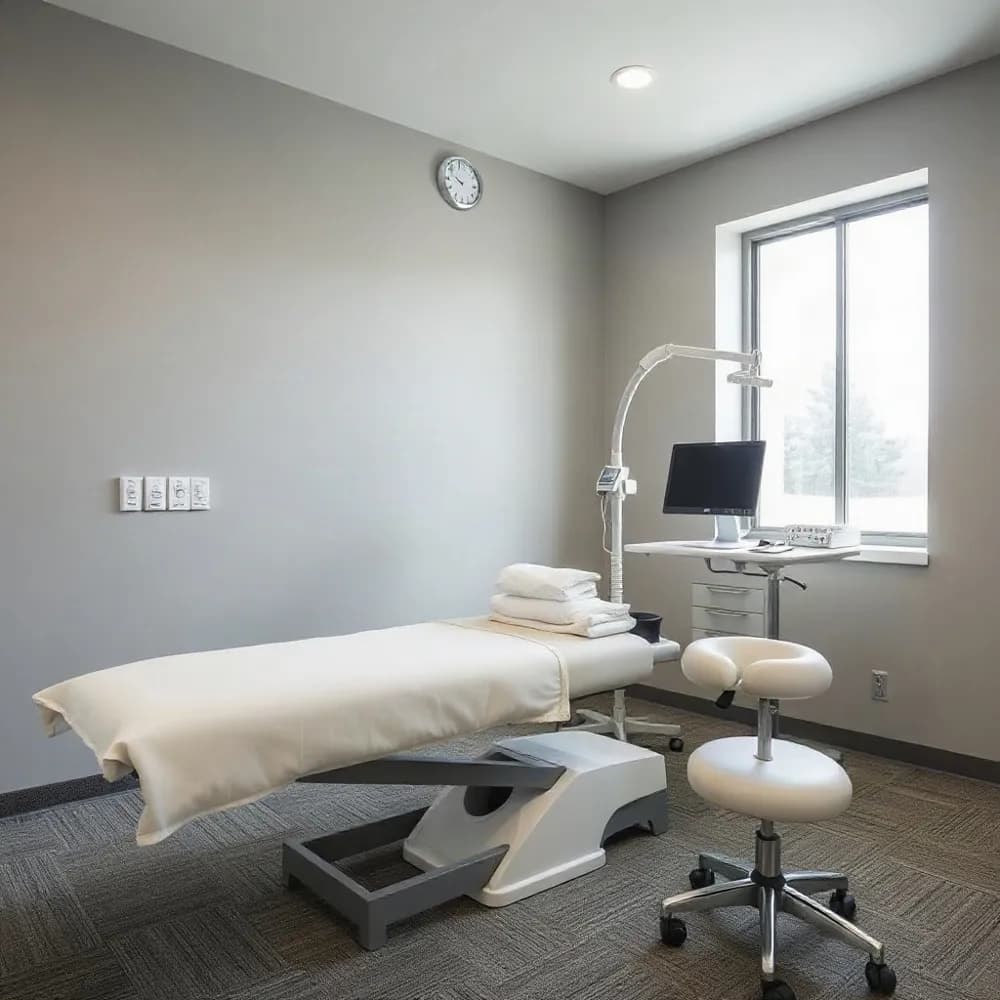
When the Body's Control Center Meets the Spine
The spine houses the body's central communication network, with nerves branching from the spinal cord to every joint, muscle, and organ. When spinal alignment is compromised, this network can misfire, leading to pain, stiffness, and reduced mobility.
This article examines how chiropractic adjustments help restore clear nerve communication and improve joint function throughout the body. At West Buffalo Chiropractic in Buffalo, NY, Dr. Francisco Vaquero uses a whole-person approach to address these interconnected systems, combining precise adjustments with soft tissue therapy and rehabilitation to support lasting relief.
How the Spine Protects and Powers Your Nerves
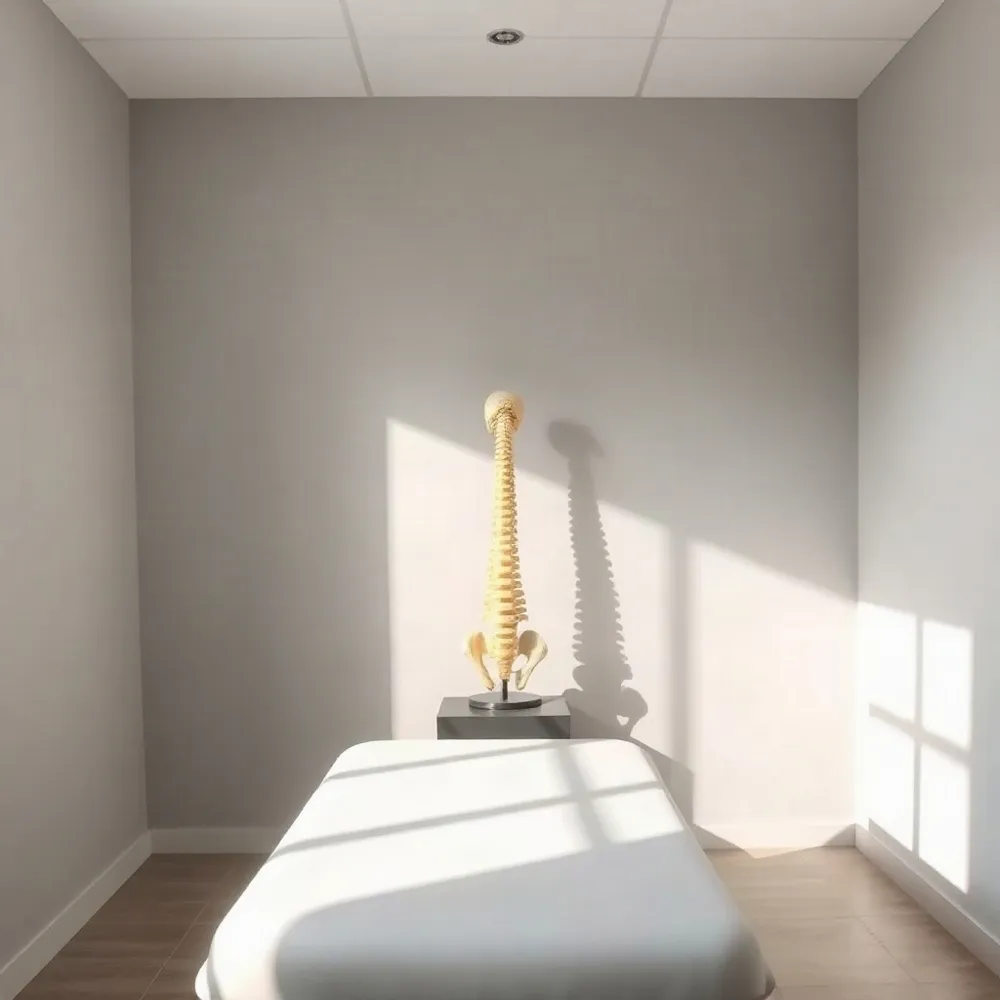 The nervous system acts as the body's command center, controlling everything from movement and digestion to organ function. It consists of the central nervous system (CNS), comprising the brain and spinal cord, and the peripheral nervous system (PNS), a network of nerves branching out to every muscle, joint, and tissue. The spine serves as the protective armor for this delicate system, with the spinal cord housed within the vertebral column.
When the spine falls out of alignment, a condition known as subluxation, the vertebrae can pinch, compress, or irritate nearby nerves. This interference disrupts the clear transmission of nerve signals between the brain and the body. The result is often a cascade of symptoms, including chronic pain, stiffness, reduced range of motion, tingling, and numbness. Even minor misalignments can create a ripple effect, impairing organ function and overall coordination.
Chiropractic adjustments are designed to correct these misalignments. By applying a precise, controlled force to specific joints, a chiropractor restores proper vertebral alignment. This action relieves pressure on spinal nerves, reduces inflammation, and re-establishes the efficient flow of electrochemical signals. Research confirms that chiropractic spinal manipulation can activate the parasympathetic nervous system, helping to counterbalance the chronic 'fight-or-flight' stress response and promote a state of calm where healing can occur.
The neurological effects of chiropractic adjustment extend beyond simple pain relief. Realigning the spine can improve proprioception, the body's awareness of its position in space, leading to better coordination and balance. It also stimulates joint mechanoreceptors, which influence muscle tone and motor control. At West Buffalo Chiropractic, Dr. Francisco Vaquero uses a range of techniques, including Gonstead and Diversified methods, to target these specific misalignments and restore optimal nerve function for each patient.
Pain Relief. By removing nerve compression, adjustments can alleviate chronic back pain, neck pain, and headaches. The American College of Physicians recommends spinal manipulation as a non-drug treatment for low back pain.
Improved Mobility. Correcting subluxations restores joint motion, reduces stiffness, and helps patients move more freely without discomfort.
Nervous System Balance. Adjustments help regulate the autonomic nervous system, shifting the body away from stress and toward a healing state by activating the parasympathetic response.
Lower Back Pain Relief Through Targeted Adjustment
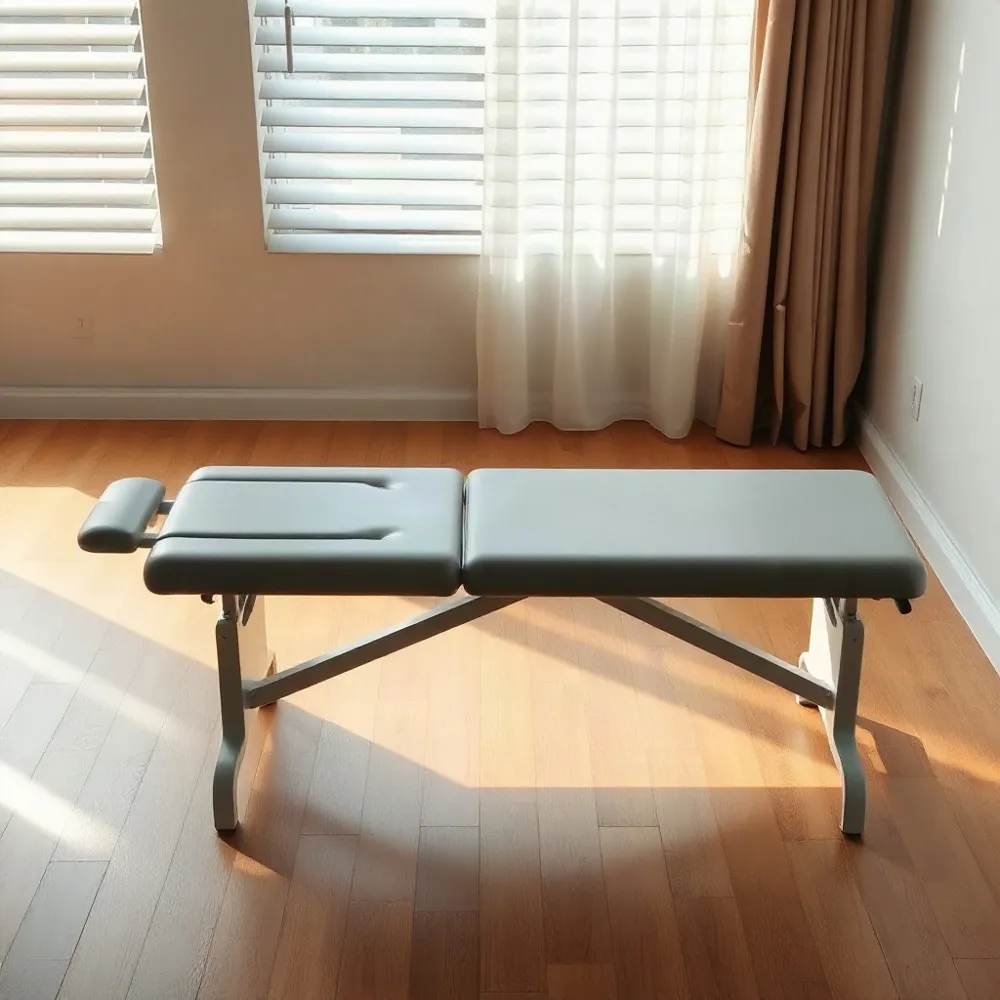 Lower back pain is the most common reason people seek a chiropractic adjustment. This type of pain can stem from poor posture, muscle strain, injury, or spinal misalignment that compresses nerves and limits mobility.
Spinal adjustments target the lumbar spine to relieve pressure on nerves, restore natural joint movement, and reduce inflammation. A 2017 study linked spinal manipulation to meaningful short-term improvement in back pain and function. The American College of Physicians recommends non-medication approaches like spinal manipulation for chronic low back pain before turning to drugs.
At West Buffalo Chiropractic, Dr. Francisco Vaquero uses a whole-person approach that combines adjustments with soft tissue therapy and spinal decompression. Each treatment plan is built around the patient's specific condition, activity level, and recovery goals, helping them move better and stay active.
Joint Mobility: From Head to Wrist to Toe
While much of the focus in chiropractic care centers on the spine, chiropractors are trained to treat musculoskeletal pain and joint dysfunction anywhere in the body. From the head and jaws to the shoulders, hips, and ankles, a chiropractic adjustment can gently realign joints to decrease pain and increase range of motion. This broad scope of care means that persistent discomfort in a wrist, knee, or shoulder may have a non-invasive solution beyond medication or surgery.
A common question patients ask is whether a chiropractor can fix a wrist. The answer is yes. The wrist is a complex joint of small bones, ligaments, and tendons that can become misaligned from overuse, injury, or repetitive strain. Chiropractors use precise wrist adjustments to restore proper joint motion, reduce inflammation, and relieve pressure on surrounding nerves. These adjustments are often paired with soft-tissue therapy and taping to address underlying conditions such as carpal tunnel syndrome or sprains. At West Buffalo Chiropractic, Dr. Francisco Vaquero applies a whole-person approach to wrist care, combining adjustments with ultrasound therapy and rehabilitative exercises to help patients return to daily activities comfortably.
Shoulder issues, including rotator cuff injuries, are another area where chiropractic care can offer effective relief without surgery. Gentle adjustments to the shoulder and spine restore joint mobility, while soft-tissue therapy and ultrasound therapy reduce inflammation and promote healing. For hip, knee, and ankle pain, chiropractors use techniques like flexion-distraction and low-force manipulation to address misalignments in peripheral joints. These non-invasive methods help restore normal motion, alleviate stiffness, and improve overall mobility, making everyday activities easier.
What to Expect During a Chiropractic Adjustment
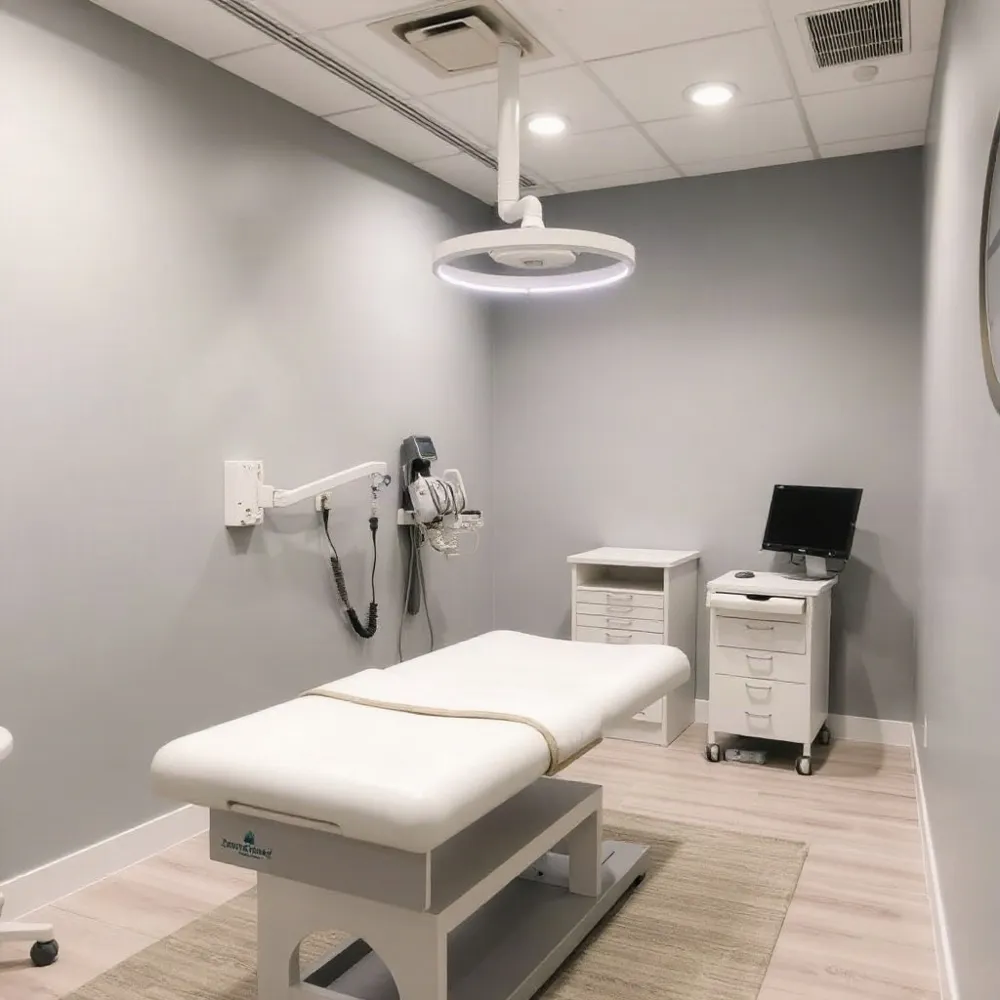 A visit to a chiropractor begins long before the first adjustment. During the initial consultation, the chiropractor takes a detailed health history, performs a physical exam with special attention to the spine, and may conduct posture analysis and range of motion tests. If needed, diagnostic imaging such as X-rays, CT scans, or MRIs is ordered to develop a personalized treatment plan tailored to the patient's specific needs.
During a chiropractic adjustment, the patient typically lies face down on a padded, specially designed table. The chiropractor uses their hands or a small instrument to apply a quick, controlled force to a specific joint, pushing it past its usual range of motion. Patients may hear a popping or cracking sound, which is caused by gases like oxygen, nitrogen, and carbon dioxide being released from the joint cavity — similar to cracking knuckles. The procedure causes little to no pain.
Many people feel almost immediate relief after an adjustment. Some may experience mild soreness, stiffness, or fatigue for up to 24 to 48 hours — similar to the feeling after a workout. The chiropractor will often recommend stretches, ergonomic adjustments for posture, icing or heat therapy, and may suggest nutrition guidance or stress management techniques to support long-term health. Follow-up visits help maintain spinal alignment and prevent future issues from developing.
Personalized Care at West Buffalo Chiropractic
Led by Dr. Francisco Vaquero, D.C., West Buffalo Chiropractic brings over 20 years of experience to the Buffalo community. Dr. Vaquero's hands-on, patient-centered approach integrates Gonstead, Diversified, and Chiropractic Biophysics techniques to deliver precise adjustments tailored to each individual's needs. He focuses on understanding each patient's unique lifestyle and health goals to develop a customized treatment plan that addresses the root cause of pain.
The clinic offers a full spectrum of non-invasive services to support recovery and long-term wellness. These include spinal adjustments and alignments, spinal decompression therapy to relieve pressure on discs and nerves, soft tissue therapy for muscle and fascia tension, rehabilitative exercises, ultrasound therapy, and specialized care for auto injuries, sports injuries, and chronic conditions like arthritis and migraines. The goal is to restore function without relying on drugs or surgery.
Accessibility is a priority at West Buffalo Chiropractic. The practice accepts most major insurance plans and offers flexible financing through CareCredit to help manage out-of-pocket costs. New patients can easily schedule an appointment online, making it simple to begin a care plan that fits both their health needs and their budget.
Maintaining Alignment for Long-Term Health
Chiropractic care is typically delivered in phases, each with a visit frequency tailored to the patient's condition. In the acute or correction phase for new injuries or significant pain, sessions often occur 2-3 times per week for the first several weeks. This frequency aims to reduce inflammation, relieve pain, and start correcting the underlying misalignment (subluxation).
As symptoms improve, care shifts to the corrective (or rehabilitation) phase, where visits usually taper to once or twice a week. The focus here is strengthening supporting muscles, retraining proper posture, and stabilizing the spine's new alignment. Once a patient reaches the wellness or maintenance phase, the goal is prevention. For most individuals, a chiropractic adjustment every 4-6 weeks is sufficient to keep the spine aligned, stop minor subluxations from progressing, and reduce the risk of future injuries.
Supporting spinal health between visits is equally important for long-term results. Staying active with walking, swimming, or yoga helps maintain flexibility and muscle balance. Maintaining good posture during daily activities, using ergonomic support at a desk or in a car, and sleeping on a supportive mattress all reduce unnecessary strain. Staying hydrated keeps spinal discs pliable, while stress management techniques like deep breathing can reduce muscle tension that pulls on the spine. At West Buffalo Chiropractic, Dr. Francisco Vaquero incorporates these lifestyle recommendations into customized care plans, helping patients in Buffalo build habits that protect their alignment and nervous system health for years to come.
Take the Next Step Toward a Healthier You
Chiropractic adjustments restore spinal alignment, which relieves pain and improves mobility by reducing nerve interference. This drug-free method supports the body's natural healing ability.
Led by Dr. Francisco Vaquero, West Buffalo Chiropractic offers personalized care plans that address your specific needs. The clinic's whole-person approach helps patients move better and feel better.
Schedule a consultation today to experience the benefits of chiropractic care firsthand and take the first step toward lasting health and wellness.