Recovery Is More Than Rest
After an injury, the urge to get back to running, training, or playing can be strong. But pain easing does not necessarily mean the affected tissue is ready for full effort. Pushing too soon may cause a setback, while unnecessary inactivity can also limit strength and movement.
Targeted rehabilitation offers a gradual way to rebuild function. A plan can begin with appropriate protection and gentle activity, then progress toward strength, balance, coordination, and movements that reflect the demands of a person’s sport. Progress should follow healing and functional readiness, not a promise of instant recovery or a fixed timetable. Sports injury rehabilitation guidance describes individualized, staged care as central to preparing for a safe return.
This approach is relevant to recreational athletes and active adults, not only people who compete. At West Buffalo Chiropractic, rehabilitation and soft-tissue therapy are among the services offered as part of personalized chiropractic care. A clinician can help match care to the injury, current function, and activity goals, while functional rehabilitation progresses from basic tasks toward sport-specific demands.
What Sports Rehabilitation Involves
Sports injury rehabilitation is a personalized, progressive process that helps an injured person restore movement and function, then return to activity safely. It can address sudden injuries, overuse problems, and recovery after surgery. The plan depends on the injured tissue, the person’s current abilities, and their goals.
Care may combine mobility and strengthening exercises with balance, coordination, and movement retraining. A clinician may also use appropriate hands-on techniques, including soft-tissue therapy. At West Buffalo Chiropractic, rehabilitation and soft-tissue therapy are among the services offered as part of the clinic’s personalized chiropractic care.
Progression typically moves from basic, controlled tasks toward activities that reflect everyday needs or sport. Someone might first work on comfortable walking or simple movements, then build toward more demanding tasks such as jogging, changing direction, or jumping. Functional rehabilitation can train the movement skills and forces an athlete will face in their sport, rather than focusing only on the injured area.
The aim is to regain useful function and confidence while limiting the chance of reinjury, not simply to make pain go away. Pain relief alone does not establish that an athlete is ready to return; strength, balance, movement quality, and sport-specific function also matter. The AAPM&R overview of functional rehabilitation describes a progression from simple tasks to sport-specific activity, guided by individual assessment.
Because each injury and activity has different demands, there is no single plan that fits everyone. A thorough assessment helps shape the program, while ongoing attention to symptoms and function can guide adjustments as recovery progresses.
How Rehab Stages Fit Together
 Rehabilitation plans do not all use the same number of stages. A useful four-part overview is to protect healing tissue while managing early pain and swelling, restore movement, rebuild strength and control, then prepare for sport-specific demands and assess readiness to return.
Some programs describe three broad phases, while others split recovery into more detailed steps. These labels usually reflect how authors group overlapping tasks, not a different biological process for every athlete. The stages are a guide, not a rigid sequence with identical timing for everyone.
The sports injury rehabilitation review describes progression based on healing, functional criteria, and sport-specific testing rather than elapsed time alone. Symptoms matter too: increasing pain or loss of function may signal that the current load needs adjustment.
As movement and strength return, clinicians can assess milestones such as pain-free range of motion, balance, strength, and sound sport mechanics. These are examples, not universal pass-or-fail thresholds; the relevant tests depend on the injury and activity. At West Buffalo Chiropractic, rehabilitation is among the clinic’s services, and care is described as personalized, allowing progress to be considered in light of an individual’s condition and goals.
For someone in Buffalo, that gradual approach helps keep the focus on functional readiness rather than a calendar date. A clinician can help decide when to advance, while the athlete’s response to training remains part of the assessment.
Build Progress Without Overloading
A short period of protection or rest can be appropriate after an injury, especially when movement might aggravate damaged tissue. But unnecessary inactivity can reduce strength, muscle tone, and conditioning. Rehabilitation plans therefore balance protection with safe activity, rather than treating complete rest as the only path to recovery.
When healing allows, clinicians may introduce controlled movement and gradually increase loading to help rebuild capacity. The right starting point depends on the injury and the person’s response. A review of sports rehabilitation describes active, graded loading as part of recovery while stressing that activity must still protect healing tissue (sports rehabilitation review).
Both extremes can create problems. Too much stress may irritate recovering tissue, while too little activity can contribute to deconditioning. At West Buffalo Chiropractic, rehabilitation and soft tissue therapy are among the clinic’s services; care can be personalized to the person’s injury and activity needs, with exercise progression guided by tolerance rather than a fixed timetable.
Pay attention to how the injured area feels during activity and afterward. Increasing pain, renewed weakness, or a noticeable loss of function may mean the exercise, range, or intensity needs reassessment. These changes are useful information to share with the treating clinician, not signs to push through.
Recovery can also include appropriately modified conditioning for uninjured areas, when a clinician considers it safe. This may help preserve general fitness while the affected tissue heals. West Buffalo Chiropractic’s whole-person approach considers more than the painful site, while keeping activity choices specific to the individual.
Prepare for the Demands of Sport
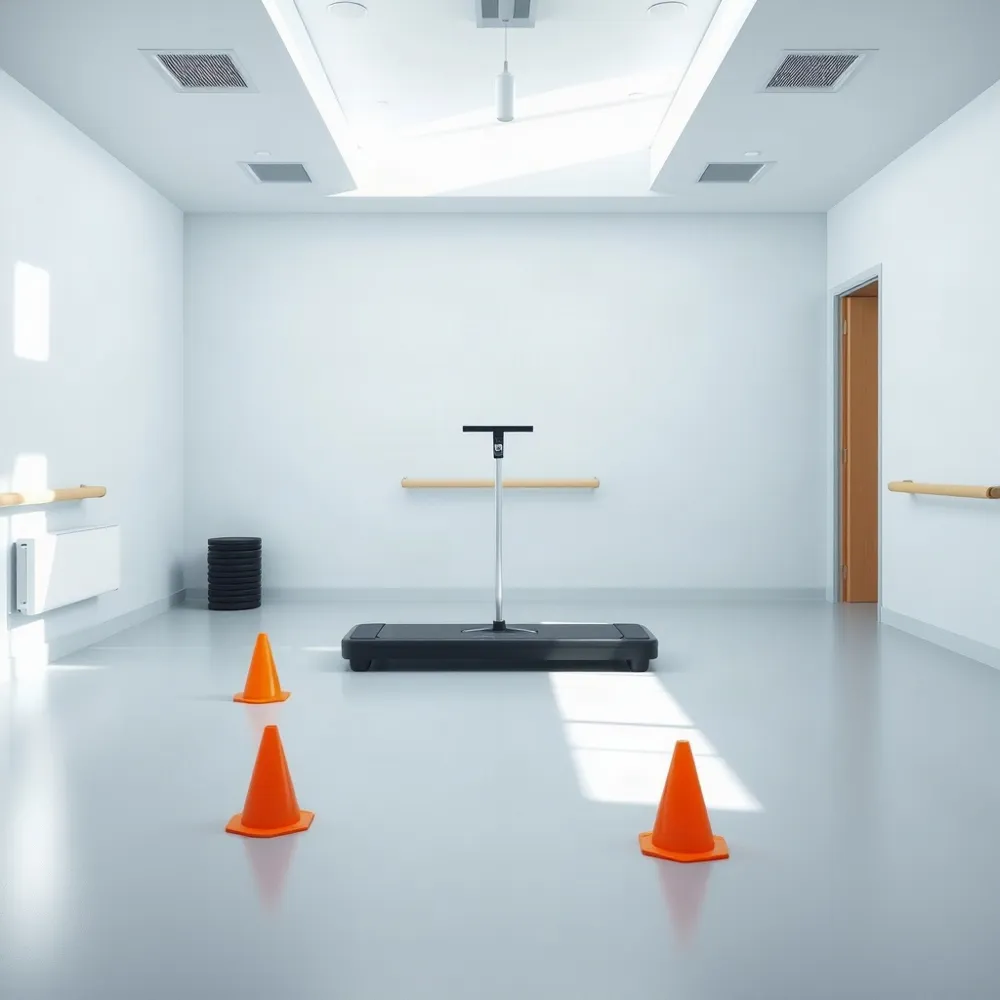 General physical therapy can address pain, movement, and everyday function across many conditions. Sports injury rehabilitation works toward those same goals, then adds preparation for the specific movements, intensity, and physical demands of a person’s activity. At West Buffalo Chiropractic, rehabilitation and soft-tissue therapy are among the services offered as part of its personalized chiropractic care.
Preparation often moves from general strength and movement control toward more demanding tasks, such as balance, agility, acceleration, slowing down, and changing direction. Which drills fit depends on the injury and the person’s goals. Functional rehabilitation may build toward sport-specific activities, rather than stopping once basic movement improves (functional rehabilitation guidance).
Assessment can look beyond the injured area to see how the hips, trunk, legs, and other parts of the kinetic chain work together. This can reveal movement compensations or weaknesses that may affect recovery. Careful exercise technique matters, too: a drill performed poorly or advanced too quickly can place unnecessary stress on healing tissue. West Buffalo Chiropractic’s stated whole-person approach supports considering a person’s broader movement and activity needs when planning care.
A return to sport is a progression, not a single clearance moment. Someone may first resume restricted training, then fuller practice, and later competition. Functional performance and sport-specific skills can help inform those steps, alongside symptoms and clinical guidance. A review of sports rehabilitation describes return to sport as a gradual process that should reflect the athlete, injury, and activity demands (sports injury rehabilitation review.
Make Recovery a Team Effort
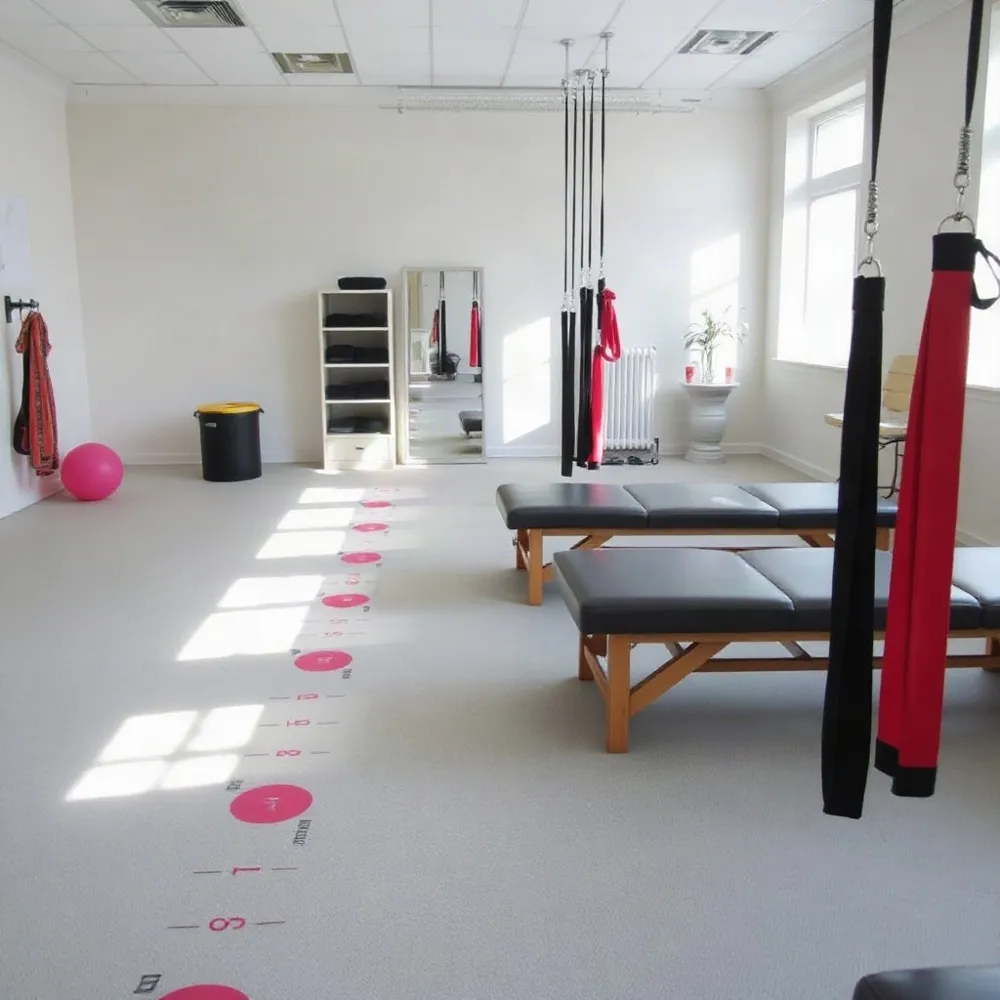 A safe recovery plan starts with an assessment that considers more than the injured area. Injury history, current movement and strength, training patterns, and goals all help shape care around the person and the demands of their sport or job. West Buffalo Chiropractic describes its care as personalized and includes rehabilitation and soft-tissue therapy among its services.
Physicians, rehabilitation professionals, coaches, and the athlete may each contribute useful information. Clear communication helps keep treatment, conditioning, and return-to-activity decisions aligned, rather than asking the athlete to reconcile conflicting instructions alone. A review of sports injury rehabilitation describes this coordination as part of planning a safe return and reducing reinjury risk (sports injury rehabilitation review.
The athlete also needs an active voice in the process. Reporting pain, swelling, fatigue, or changes in confidence gives the care team information to adjust activity. Honest feedback matters even when an athlete feels pressure to resume training or worries about losing a place on a team. Recovery from injury can involve emotional strain as well as physical changes, and trust among the athlete, clinicians, and coaches supports coordinated decisions (research on recovery from injury in sport).
Fear of reinjury, stress, and anxiety can affect participation and readiness, so progress should account for psychological as well as physical needs. Social support and simple coping strategies, such as mindfulness, may help someone manage frustration while healing. If distress persists or becomes severe, seeking help from a mental health professional is appropriate.
A graded return gives the body time to meet rising demands. Training can build toward full practice and competition as function and confidence improve, rather than jumping straight into intense activity because pain has eased. West Buffalo Chiropractic’s personalized-care approach provides a setting to discuss how rehabilitation and activity goals fit together; decisions about return to sport should remain grounded in the athlete’s progress and guidance from qualified clinicians.
Carry Prevention Into the Comeback
Less pain is welcome, but it does not by itself show that an athlete is ready to resume full activity. Strength, mobility, coordination, and the ability to tolerate sport-specific demands also matter. A return plan should reflect functional progress, not pain relief alone, as discussed in this review of sports injury rehabilitation.
Previous injury can increase the chance of another injury, so monitoring should continue after practice and competition resume. Pay attention to changes in symptoms, movement quality, and how the body responds to training. West Buffalo Chiropractic’s stated focus on personalized care and rehabilitation can help keep recovery planning connected to an individual’s injury and activity goals.
Prevention work may include strengthening, flexibility, balance, proprioception, and practice of sound movement patterns. The mix should suit the person and the sport rather than rely on a generic routine. The sports rehabilitation review also describes ongoing injury-prevention work as relevant after an athlete returns to participation.
Training demands should rise gradually. A sudden jump in intensity, duration, or frequency may place more stress on recovering tissue than it can manage, while appropriate conditioning can help rebuild capacity. West Buffalo Chiropractic lists sports injury care and soft-tissue therapy among its services, alongside rehabilitation; these are part of the clinic’s stated care focus, not a promise of a particular result.
Let Readiness Set the Pace
A return to sport is best treated as a gradual progression, not a date on the calendar. Pain relief is useful, but it does not by itself show that strength, control, and sport-specific function have returned. Rehabilitation plans should reflect the injury, the person’s healing, and the demands of their activity, as outlined in this review of sports injury rehabilitation.
A qualified assessment can help clarify what is ready to progress and what still needs work. Discuss your activity goals, symptoms, and concerns with a clinician rather than relying on a fixed timetable or trying to judge readiness by pain alone. Functional rehabilitation can build from basic movement toward the tasks and demands of sport as healing allows.
West Buffalo Chiropractic’s supplied clinic information describes personalized chiropractic care that includes rehabilitation and sports-injury care. That provides a setting to discuss an injury and activity goals, while the plan and pace should remain specific to the individual.