Recovery Starts With the Right Steps
Recovery after a workplace injury involves more than waiting for soreness to fade. Reporting the injury promptly, getting an appropriate medical assessment, following professional guidance, and returning to activity gradually can all help shape a safer path forward. Each injury and job is different, so no treatment or timeline can guarantee faster recovery.
For Buffalo-area workers, the first practical step is to check how a work-related injury should be reported and which providers are authorized under the applicable workers’ compensation process. State rules differ: California’s guidance on medical care for injured workers describes California procedures, not requirements for New York. Ask your employer or insurer about local steps before making decisions about care or bills.
Care should reflect the person’s symptoms, work demands, and progress. At West Buffalo Chiropractic, services include spinal adjustments, soft tissue therapy, and rehabilitation, allowing care to address more than one aspect of recovery. A clinician can help determine appropriate next steps and adjust activity as function changes.
Respond Promptly After an Injury
 What should I do after a workplace injury, and when should I seek medical care? Stop the activity, move to a safe place, and notify your supervisor promptly. Follow your employer’s injury-reporting and workers’ compensation procedures, since requirements and provider choices can depend on the state and claim.
Get emergency help for severe bleeding, trouble breathing, loss of consciousness, a suspected fracture, a significant head or neck injury, or sudden weakness or numbness. For other injuries, arrange prompt medical assessment, especially if pain, swelling, limited movement, or other symptoms persist or worsen. A chiropractor may assess some musculoskeletal problems, but serious or urgent symptoms need medical evaluation first.
Keep a clear record of what happened, your symptoms, medical visits, treatment, and any work restrictions. Share relevant updates with your supervisor and care provider. Before resuming tasks that could aggravate the injury, discuss modified duties and any limits recommended by your clinician.
For workers in Buffalo, West Buffalo Chiropractic provides assessment and care for musculoskeletal concerns, including spinal adjustments, soft tissue therapy, and rehabilitation. Those services do not replace emergency evaluation when symptoms suggest a serious injury. The clinic’s personalized approach can also help patients discuss their symptoms and treatment needs as they recover.
Workers’ compensation procedures are state-specific. California and Missouri guidance, for example, describes medical-care and provider rules for those states, not New York requirements. Check with your employer, insurer, or the appropriate New York workers’ compensation authority about approved care and claim steps. If you receive a bill for treatment connected to a work injury, ask the employer or insurer how to handle it rather than assuming it is your responsibility; Missouri Department of Labor guidance gives this advice for Missouri claims.
Ease Muscle Soreness Without Overdoing It
 How can you recover from sore muscles more quickly? Start by pausing strenuous activity, but avoid keeping the sore area completely still. Light walking or comfortable range-of-motion movements can help you stay gently active without adding heavy strain.
Drink water, get enough sleep, and try gentle stretching or a warm shower if these feel comfortable. For a recent injury or fresh swelling, apply a wrapped ice pack for short periods. Return to exercise gradually, increasing effort as your symptoms allow. Stop if you feel sharp pain or your pain is getting worse, rather than trying to push through it.
Soreness after an accident, movement that remains restricted, or symptoms that are not improving are reasons to seek an assessment from a healthcare professional. A clinician can help determine what care is appropriate. Rules for treatment authorization vary by state; for example, California’s workers’ compensation guidance describes medical care under that state’s system, not New York requirements (California DWC medical care guidance).
At West Buffalo Chiropractic, care may include soft-tissue therapy, spinal adjustments when appropriate, and rehabilitation exercises tailored to the person’s symptoms and mobility. Dr. Francisco Vaquero, D.C., can assess how soreness affects movement and help shape a gradual plan. The aim is to restore comfortable function without aggravating symptoms, with progress guided by how the body responds.
Build Back Work Related Function Gradually
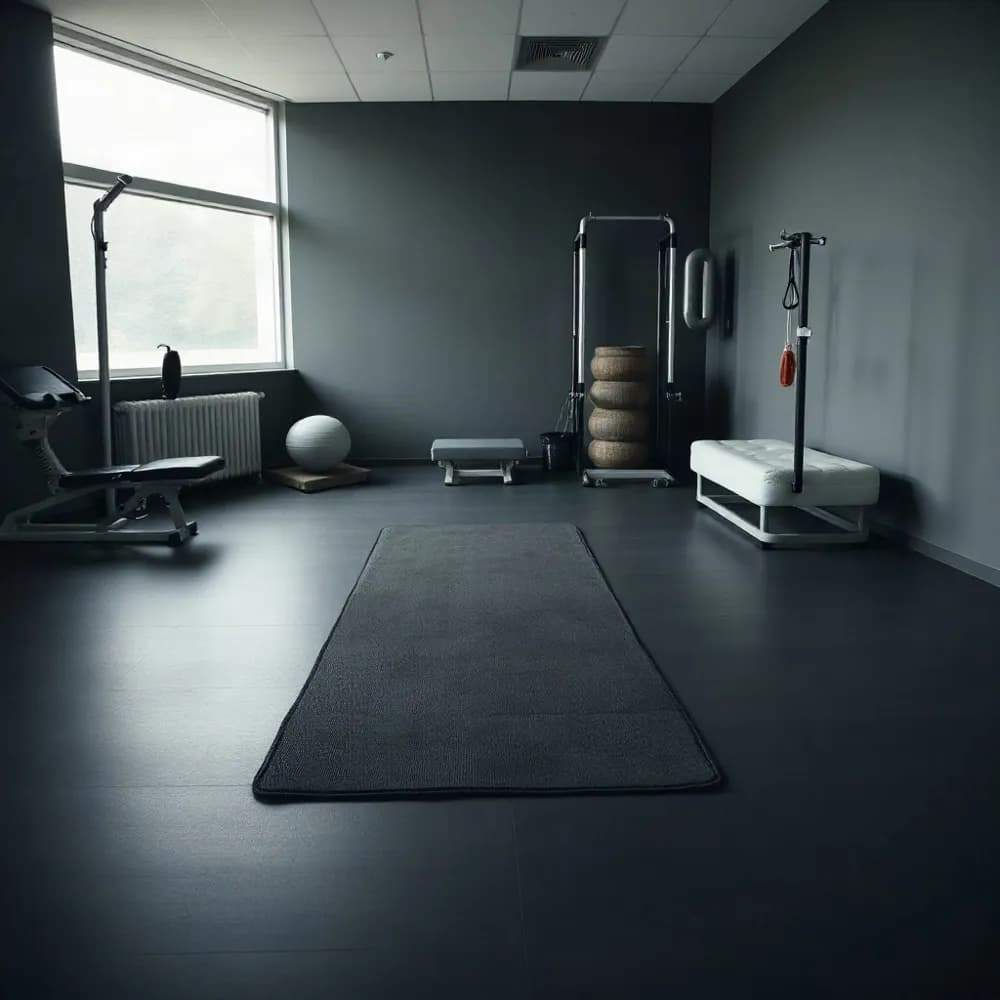
 Returning to work after an injury is not simply a matter of waiting until pain fades. A rehabilitation plan can be shaped around the worker’s goals and the physical demands of the job, rather than following the same template for everyone. At West Buffalo Chiropractic, care includes rehabilitation and soft tissue therapy as part of a broader approach to musculoskeletal concerns.
Depending on the provider and the worker’s needs, clinicians may assess lifting tolerance, posture, and the movements required for particular tasks. Treatment can then build gradually through strengthening and functional practice, with the aim of improving the abilities needed for work and daily activities. Progress should be guided by the worker’s response, not by a promise of a fixed recovery timeline.
A functional capacity evaluation is a series of tests used to assess safe physical abilities and work tolerance. Trained therapists administer these evaluations; they are assessment tools, not routine treatment or a guarantee that someone is ready to resume every job duty. The findings may help inform discussions about what tasks a worker can safely perform.
Regular communication among the worker, clinicians, employer, and other relevant parties can help keep recovery plans grounded in current abilities. Documenting functional progress and considering modified duties may support a more gradual transition back to work when appropriate. These are approaches described by rehabilitation providers, not confirmation that every clinic offers formal work conditioning, job simulations, or functional capacity testing. West Buffalo Chiropractic describes personalized care that includes rehabilitation, but workers should ask which services are available for their specific needs.
Address Barriers Beyond Physical Symptoms
Pain is not the only factor that can shape recovery after a workplace injury. Anxiety, fear of reinjury, worries about job security, or a sense of being treated unfairly can leave a worker feeling isolated and make it harder to take part in care.
Fear of pain or another injury may also lead someone to avoid prescribed exercises. Avoiding movement can contribute to loss of strength and reduced range of motion, which may make daily activities and work tasks more difficult. Follow the treating clinician’s guidance, and raise concerns about pain or exercise rather than stopping a plan without discussion.
Empathetic communication helps bring these barriers into the open. Workers can describe what worries them, while employers can listen, check in, and discuss duties the person can safely perform as recovery progresses. Focusing on achievable tasks, rather than only on pain or limitations, can make return-to-work conversations more practical and less isolating.
At West Buffalo Chiropractic, personalized care may include rehabilitation and soft tissue therapy alongside chiropractic treatment, with the plan shaped around the person’s condition and goals. Sharing concerns about work, movement, or recovery with the care team can help guide appropriate next steps.
Check the Rules Before Acting on Bills
Before scheduling treatment or paying a bill related to a workplace injury, check with your employer and workers’ compensation insurer. Ask which providers are approved, whether proposed care needs authorization, and what steps to take if a bill arrives. Do not assume that a bill for care connected to a claim is your responsibility.
California offers one example of how state rules can work: the California Division of Workers’ Compensation medical-care guidance explains how authorized care and provider selection are handled there, and says providers who know an injury may be work-related generally cannot bill the worker for that care. These are California-specific rules, not a universal guide.
California provider-network rules, timelines, and travel reimbursement procedures are not necessarily applicable in New York. Missouri’s workers’ compensation rules should not be treated as New York guidance either. Buffalo-area workers should confirm the procedures that apply to their claim with their employer, insurer, and relevant New York authorities.
West Buffalo Chiropractic provides care in Buffalo, so patients arranging treatment for a workplace injury should clarify authorization and billing with the parties handling their claim. Confirming those details before care begins can help prevent avoidable confusion.
Make Recovery a Shared Plan
A safer return to work depends on timely reporting, appropriate care, steady rehabilitation, and honest communication among the worker, employer, and care team. At West Buffalo Chiropractic, individualized chiropractic care can include spinal adjustments, soft tissue therapy, and rehabilitation, with treatment guided by the person’s needs.
Seek professional guidance if symptoms are severe, persistent, or worsening, and increase job duties cautiously with appropriate advice. Workers’ compensation rules differ by state, so confirm local procedures with your employer, insurer, or relevant authorities. California’s guidance on medical care for workplace injuries applies to California, not automatically to New York.