Understanding Persistent Back Pain
Persistent back pain can have many causes, from muscle and joint problems to pressure on spinal discs or nearby nerves. When nerves are affected, symptoms may include pain, numbness, tingling, or weakness. A clinician can help identify what may be contributing to symptoms and whether further assessment is needed.
Spinal decompression is a broad term for treatments intended to reduce pressure on spinal nerves or the spinal cord. Nonsurgical decompression is one possible approach, but it is not suitable for everyone and does not guarantee relief. Cleveland Clinic’s overview of spinal decompression explains that treatment choices depend on a person’s health history and the cause and severity of the problem.
This article explains how nonsurgical decompression works, who may be considered for it, and how it compares with other care options. At West Buffalo Chiropractic, spinal decompression is offered alongside adjustments, soft-tissue therapy, and rehabilitation, allowing care to include approaches beyond decompression alone. A qualified healthcare provider can help determine which options make sense for an individual.
How Nonsurgical Decompression Works
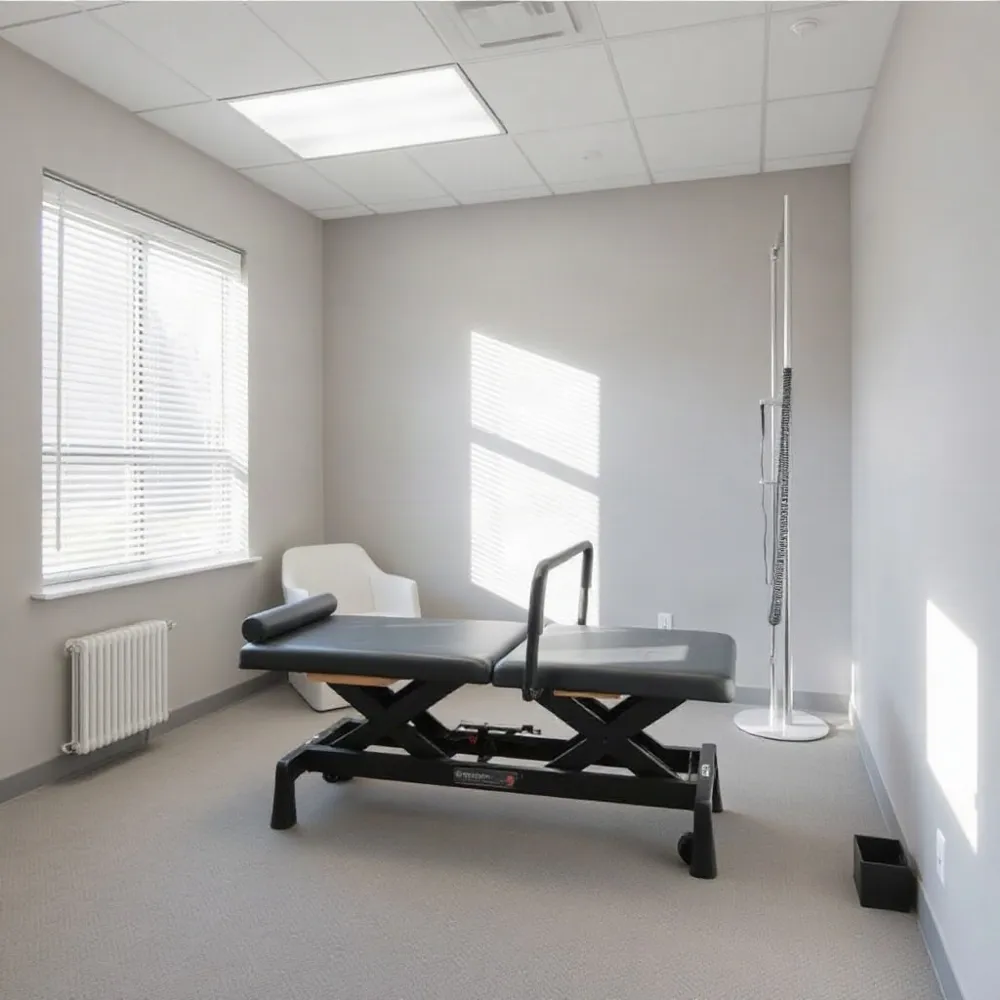 Spinal decompression is a broad term for treatments intended to reduce pressure on the spinal cord or nerves. Nonsurgical decompression is different from an operation: it uses traction rather than removing or reshaping bone, disc, or other tissue. At West Buffalo Chiropractic, spinal decompression is one part of a wider range of care that also includes adjustments, soft-tissue therapy, and rehabilitation.
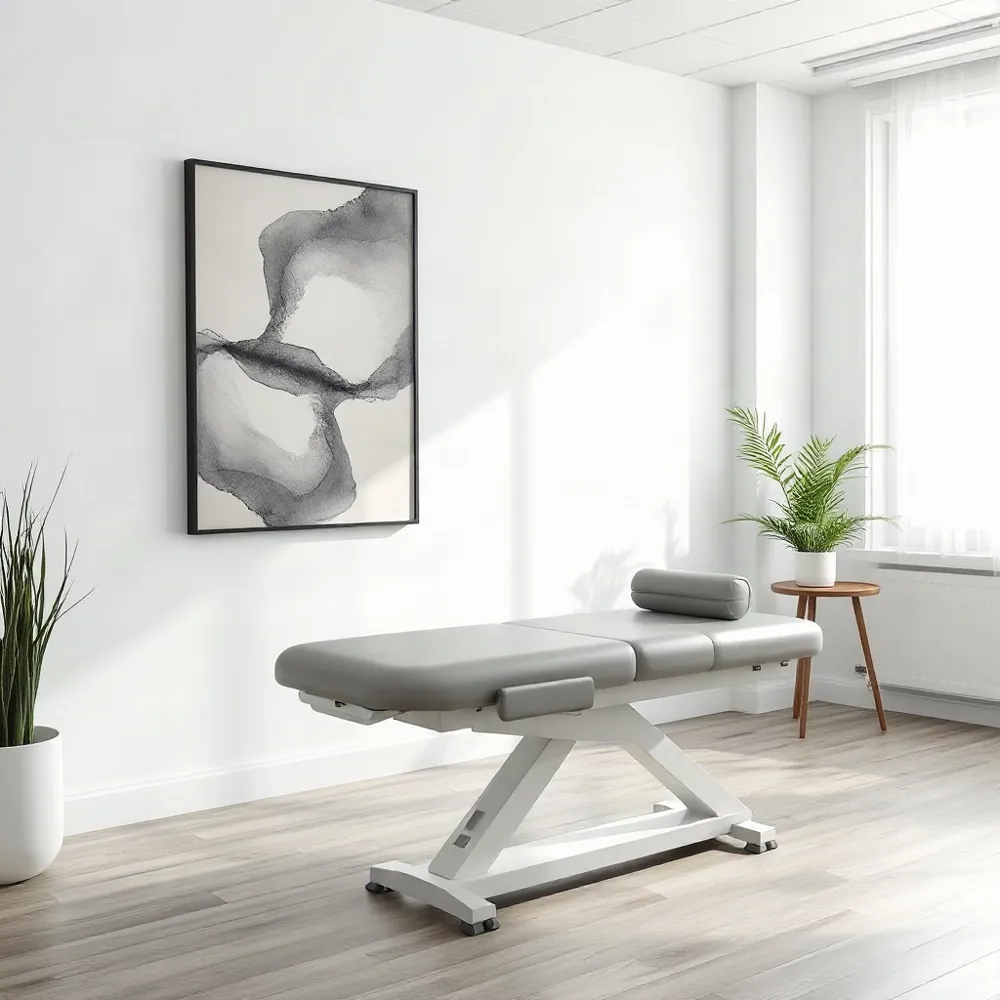
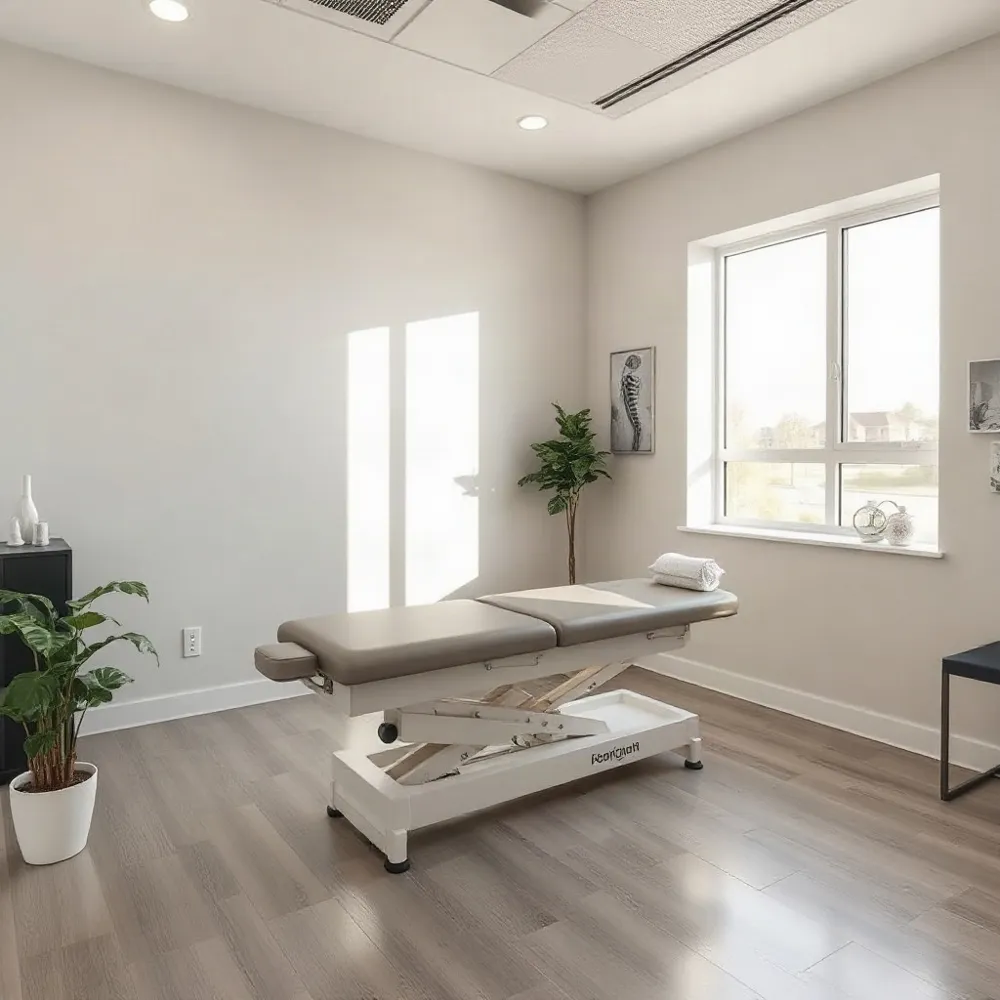
In a typical nonsurgical session, a person remains clothed and lies on a motorized table with harnesses around the pelvis and trunk. A provider operates the table to apply controlled stretching and relaxation. The goal is to change spinal forces and reduce pressure on discs and nearby nerves, not to guarantee a particular result. WebMD’s overview of spinal decompression notes that the proposed effects and the treatment’s effectiveness require further research.
The traction may create negative pressure within a disc. Researchers and clinicians propose that this could help a bulging or herniated disc move away from a nerve, or encourage fluid movement into the disc, but these effects are not assured. Decompression has been used in attempts to address some back or neck pain, sciatica, and disc-related problems. Whether it is suitable depends on a person’s condition and health history, so a provider should discuss the evidence and alternatives. The University of Utah Health explanation of decompression therapy also distinguishes traction-based treatment from surgery.
Pressure on a spinal nerve root can cause sharp, burning, or shooting pain that travels into an arm or leg. Numbness, tingling, unusual sensations, muscle weakness, or reduced reflexes may also occur. The symptoms depend on which nerve is affected and can change with movement, coughing, or sneezing. New or persistent symptoms warrant assessment by a healthcare professional. West Buffalo Chiropractic offers personalized care, but an evaluation is needed to determine whether decompression or another approach fits the cause of a person’s symptoms.
Who May Be Considered
 Spinal decompression may be considered for some people with persistent neck or lower-back pain, sciatica, or symptoms linked to bulging, herniated, or degenerative discs. These symptoms can have different causes, so the treatment is not suitable for everyone.
A clinician weighs the likely source and severity of symptoms, overall health, and response to other conservative care before recommending an approach. West Buffalo Chiropractic offers spinal decompression alongside adjustments, soft-tissue therapy, and rehabilitation, allowing care to be considered within a broader plan rather than in isolation. A professional assessment is still needed to determine whether it fits an individual case. Cleveland Clinic’s overview of spinal decompression describes treatment choice as dependent on a person’s health history and injury severity.
Assessment may include a review of medical history, symptoms, and previous treatment. When appropriate, a healthcare provider may use imaging, such as an X-ray, CT scan, or MRI, to investigate the cause of pain and help guide next steps. At West Buffalo Chiropractic, the clinic’s range of services includes rehabilitation and soft-tissue therapy, which may be relevant when discussing alternatives or complementary care.
Some health conditions or past procedures may call for caution or another treatment. Pregnancy, spinal fractures or instability, advanced osteoporosis, spinal implants, tumors, and certain spinal surgeries or fusion may affect suitability. This is not a complete screening list or a substitute for individualized advice. Discuss relevant conditions and prior procedures with a healthcare provider before treatment.
Report pain that worsens during treatment, and ask the provider to pause and reassess the approach. A clinician can help weigh potential benefits, risks, and alternatives, including whether another form of care is more appropriate.
Benefits Risks and Expectations
What are the potential benefits and risks of spinal decompression therapy?
Controlled traction may ease pain or improve mobility and daily function for some people with back, sciatica, or disc-related symptoms. However, benefits are not established for everyone, and treatment response can vary. One randomized trial found that adding nonsurgical decompression to routine physical therapy improved several outcomes for people with lumbar radiculopathy, but that finding does not prove lasting benefit for all patients.
Short-term soreness, stiffness, or increased pain may occur. Tell your provider if symptoms worsen during or after treatment so the plan can be reviewed. The Cleveland Clinic’s overview of spinal decompression notes that risks differ by approach: nonsurgical therapies may not help, while surgery can involve infection, bleeding, blood clots, or nerve or tissue damage. These are distinct treatments with different risks.
At West Buffalo Chiropractic, care can include spinal decompression alongside rehabilitation, soft tissue therapy, and other services. A clinician should consider your health history and the cause of your symptoms before recommending treatment. Monitoring progress helps determine whether to continue, adjust, or consider another approach.
Can spinal decompression provide lasting relief?
Some people may have lasting relief, especially when treatment is part of a broader plan, but improvement is not guaranteed or necessarily permanent. Outcomes depend on the cause and severity of symptoms. Decompression does not correct every degenerative problem or guarantee that surgery can be avoided. The University of Utah Health’s explanation of decompression therapy distinguishes nonsurgical traction from surgery and describes decompression as one possible treatment approach, not a promised result. West Buffalo Chiropractic also offers rehabilitation, which may be considered as part of an individualized plan.
Building a Broader Back Pain Plan
What treatment options are available for chronic lower back pain? The answer depends on the likely cause, symptoms, health history, and how pain affects everyday activities. A healthcare professional can help assess these factors and discuss options suited to the individual.
Care often follows a stepped approach, beginning with less invasive options and adjusting the plan according to response. Depending on the person, this may include physical therapy, home exercises, acupuncture, traction, or transcutaneous electrical nerve stimulation (TENS). Staying active and paying attention to posture may also be part of care, but a clinician can advise what is appropriate. Cleveland Clinic’s overview of spinal decompression describes several nonsurgical approaches and emphasizes that treatment choice depends on individual health and injury factors.
At West Buffalo Chiropractic, care may be tailored using services such as spinal adjustments, soft-tissue therapy, decompression, ultrasound therapy, and rehabilitation exercises. These approaches can be considered within a broader plan rather than treated as a guaranteed solution or a substitute for medical evaluation.
If nonsurgical care does not help, surgery may be discussed when an underlying problem can be addressed with an operation. That decision depends on the diagnosis, potential benefits and risks, and the person’s overall health. WebMD’s guide to spinal decompression distinguishes nonsurgical traction from surgery and advises discussing treatment suitability with a doctor. A healthcare provider can help weigh the options and decide on next steps.
Gentle Movement and Home Comfort
 Are there safe ways to ease back pressure at home, such as positioning or exercises? Gentle movement and a comfortable resting position may help, but no single position suits everyone. Try lying on your back with your knees supported by a pillow, or on your side with a pillow between your knees. Adjust or change positions if either feels uncomfortable.
Avoid staying in bed for long periods. Short, easy walks or gentle exercises may be worth trying if you can move within a comfortable range. Stop if a movement makes pain worse or causes it to spread. A clinician can help identify positions and exercises that suit your condition. At West Buffalo Chiropractic, rehabilitation is among the services offered, alongside spinal adjustments and soft-tissue therapy.
During a flare, avoid heavy lifting and twisting where possible. If you need to lift something, keep it close to your body and bend at the knees rather than folding at the waist. These steps may reduce strain, but they do not replace advice tailored to your symptoms.
Seek medical care for severe or persistent back pain, pain that follows an injury, or symptoms such as weakness or numbness. Changes in bowel or bladder control require urgent medical attention. The Cleveland Clinic’s guidance on spinal decompression also advises contacting a healthcare provider when back pain does not improve with rest, pain relievers, or hot and cold packs.
Costs Coverage and Next Steps
How much does spinal decompression therapy cost, and may insurance cover it?
There is no standard price for nonsurgical spinal decompression. Your total cost may depend on the initial evaluation, the number of visits recommended, and whether your care plan includes other services, such as adjustments or rehabilitation. Ask for an itemized estimate so you can understand what is included before treatment begins.
Insurance coverage varies. Some plans may not cover decompression as a separate therapy, though they may cover related visits or services. Medicare generally does not cover nonsurgical spinal decompression, but coverage details can depend on your plan and the services involved. Confirm benefits directly with your insurer before starting care.
After an evaluation, West Buffalo Chiropractic can provide a personalized cost estimate based on the care recommended. The clinic also identifies CareCredit financing as an option for eligible patients. Ask about payment terms and whether any proposed services may be billed separately.
If back pain does not improve with rest, pain relievers, or hot and cold packs, or your current treatment is not helping, seek guidance from a healthcare provider. The Cleveland Clinic’s overview of spinal decompression also advises discussing treatment options with a provider, since the right approach depends on your health history and condition.
Make an Informed Care Decision
Spinal decompression is one possible part of back pain care, not a guaranteed solution. Whether it may help depends on the cause of symptoms, a person’s health history, and how they respond. Research on nonsurgical decompression is still limited, so discuss its potential benefits and uncertainties alongside other options with a healthcare provider, as WebMD explains.
Before choosing treatment, share your symptoms and medical history, and ask about risks, alternatives, likely costs, and how progress would be assessed. At West Buffalo Chiropractic, care may include spinal decompression, adjustments, soft tissue therapy, or rehabilitation, depending on individual needs. A conversation with a qualified provider can help clarify whether decompression fits your goals or whether another approach is more suitable.
The aim is an informed choice based on your circumstances, not a promise of relief. If back pain is not improving or treatment is not helping, seek medical guidance to review the next steps.