
A Mobile Neck With Important Nerve Routes
The cervical spine, or neck, supports the head while allowing it to bend and turn. Its seven vertebrae also form a protective canal for the spinal cord, and nerves branching from the neck carry signals to areas including the shoulders, arms, and hands. Cleveland Clinic’s overview of cervical spine anatomy explains how these structures work together.
Because nerve pathways extend into the arms and hands, some neck conditions can be associated with pain, tingling, numbness, or weakness beyond the neck. But those symptoms have several possible causes, and posture or a perceived alignment issue alone cannot identify the source. At West Buffalo Chiropractic, Dr. Francisco Vaquero’s care includes assessment and a range of services, such as spinal adjustments, soft tissue therapy, and rehabilitation, tailored to the person’s needs.
How Neck Nerves Relate to Arm Symptoms
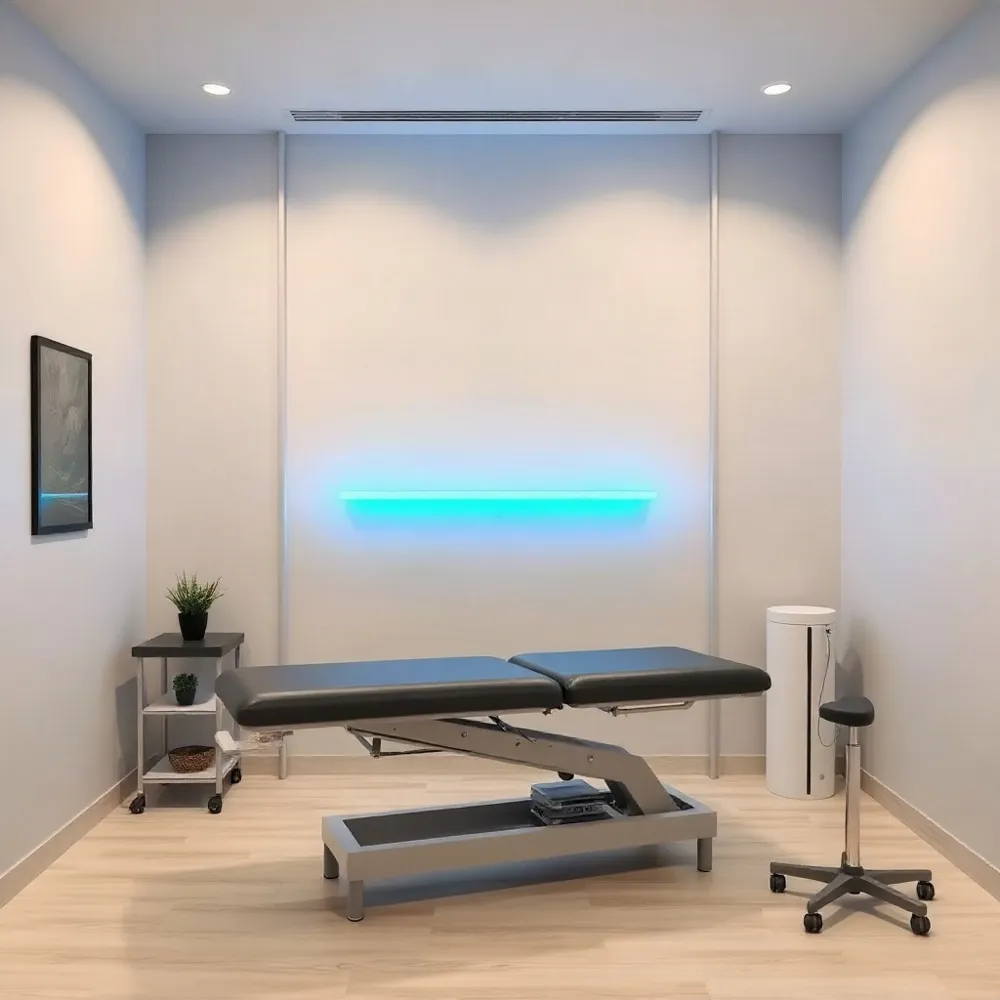 The neck has seven vertebrae, C1 through C7, but eight pairs of cervical spinal nerves exit through spaces between them. The spinal cord passes through a protective canal, while these nerves carry signals that contribute to movement and sensation in the neck, shoulders, arms, and hands. Cervical spine anatomy helps explain why a problem near the neck can sometimes be felt farther down the arm.
What are common signs that neck pain may involve a pinched nerve?
Cervical radiculopathy, also called a pinched cervical nerve, is one possible cause of pain that travels from the neck into the shoulder, arm, or hand. Tingling, numbness, reduced sensation, or weakness may also occur. Similar symptoms can have other causes, so they do not confirm a diagnosis on their own. At West Buffalo Chiropractic, care is personalized and includes services such as soft tissue therapy and rehabilitation; persistent or concerning symptoms warrant appropriate clinical assessment.
What symptoms can result from compression of different cervical nerve roots, such as C5, C6, or C7?
Patterns can offer clues, but they overlap. C5 may relate to the shoulder and upper arm, including difficulty lifting the arm or bending the elbow. C6 may affect the outer forearm and thumb, sometimes the index finger, and contribute to wrist extension. C7 may involve the back of the arm and forearm toward the middle finger, with possible difficulty straightening the elbow or extending the fingers. A clinician interprets these patterns alongside an examination, rather than relying on symptoms alone.
West Buffalo Chiropractic offers a range of services, including spinal adjustments and rehabilitation, but care should be guided by an individual's symptoms and assessment. Worsening weakness, trouble with balance or walking, or changes in bladder or bowel control call for prompt medical evaluation.
Assessment Before Treatment
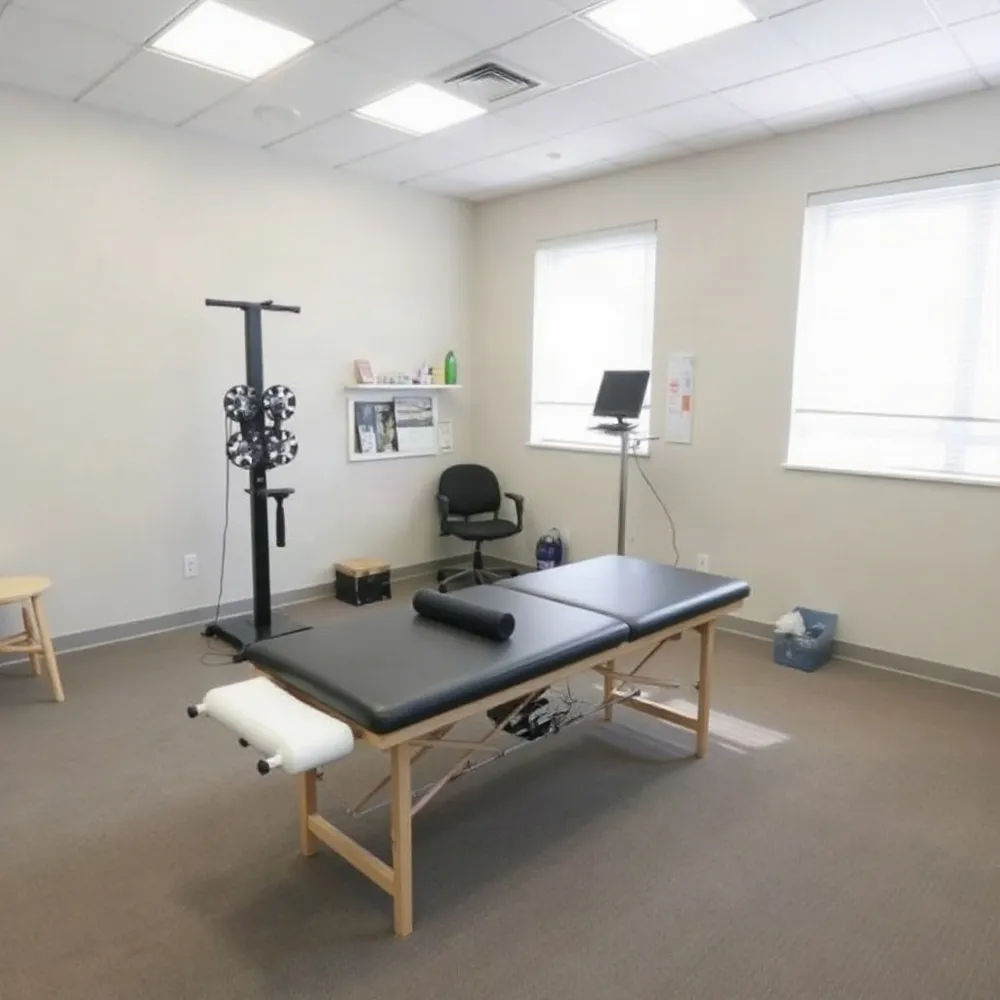 A careful assessment helps distinguish a movement-related concern from symptoms that need medical investigation. At West Buffalo Chiropractic, care is personalized and may draw on services such as soft-tissue therapy and rehabilitation, depending on the person’s needs.
How does a chiropractor assess and treat neck alignment concerns?
A chiropractor typically asks when symptoms began, what makes them better or worse, and whether there has been an injury. Health history and daily activities can help provide context. The examination may include posture, neck movement, tenderness, strength, sensation, and reflexes. Share any new or worsening neurological symptoms before treatment.
Tests are considered when the findings suggest they may help. Cleveland Clinic explains that X-rays can show bone and alignment changes, MRI can show disks, the spinal cord, and nerves, and CT can provide detail about bone and the spinal canal. EMG or nerve-conduction testing can assess nerve and muscle function. If appropriate, a care plan may include controlled adjustments, soft-tissue care, stretching, or rehabilitation exercises, with progress checked over time.
If an examination raises concern about a fracture or possible disease outside conservative chiropractic care, referral for medical assessment may be appropriate. The American Chiropractic Association describes referral when findings suggest such conditions.
When should you see a chiropractor for neck pain or stiffness?
Consider an evaluation if pain or stiffness persists, returns, limits head movement, or interferes with daily activities, including after sports, repetitive strain, or an accident. West Buffalo Chiropractic, led by Dr. Francisco Vaquero, offers care that includes spinal adjustments, soft-tissue therapy, and rehabilitation.
Significant trauma, fever, worsening weakness or numbness, a severe headache, or loss of coordination calls for urgent medical attention rather than routine treatment. If you are unsure what is causing your symptoms, contact a healthcare professional.
What Conservative Care May Aim to Do
Chiropractic care may help some people with cervical radiculopathy, but it is not a guaranteed way to resolve nerve compression. A chiropractic adjustment applies controlled force to a spinal joint, with the aim of improving motion and easing pain, not of proving that a bone was put back into a precise position. Evidence for adjustments varies by condition, and Mayo Clinic’s overview of chiropractic adjustments describes evidence for neck pain as suggestive.
Care depends on the cause and severity of symptoms. Depending on an assessment, conservative options may include adjusting activities, exercises or physical therapy, soft-tissue care, and, in selected cases, traction or other procedures. These approaches are not suitable for everyone, and results vary. At West Buffalo Chiropractic, Dr. Francisco Vaquero can discuss symptoms and appropriate next steps, with care guided by an individual assessment rather than a promise of cure.
There is no set number of visits for a pinched nerve. The course depends on factors such as the cause, severity, duration of symptoms, and response to care. A clinician should reassess progress and whether the plan remains appropriate. Some people may notice change after a few visits, while others may need more time; a single reported case cannot predict another person's experience.
Worsening weakness, significant numbness, coordination problems, or new neurological symptoms call for prompt medical evaluation rather than assuming that continued adjustments are the answer. Assessment can help determine whether conservative care is appropriate or whether another type of evaluation is needed.
What Neck Alignment Can Mean
“Misaligned” is a broad description, not a diagnosis. The neck’s vertebrae, facet joints, and disks work together to support movement. C1 supports the head, while C2 helps it rotate, but knowing this anatomy does not show that a particular bone is out of place or that nerve function is impaired. Cleveland Clinic’s overview of the cervical spine describes these structures and their roles.
Can a chiropractor correct a misaligned neck or cervical spine? A chiropractor can assess posture, movement, muscle function, and nerve symptoms to consider whether care may help. These findings are different from claims that alignment alone determines nerve signaling. Neck symptoms may have several causes, including disk changes, bone spurs, arthritis, spinal stenosis, injury, or physical strain.
When appropriate, a controlled adjustment aims to improve joint movement and may ease pain, not precisely reposition bones or repair nerve damage. The American Chiropractic Association’s explanation of neck pain and chiropractic describes adjustments in terms of joint mobility and movement. Imaging may be considered when a person’s history or examination indicates it, particularly after an injury.
A joint sound or posture alone cannot confirm that a vertebra is out of place. Discuss potential benefits and risks with a qualified clinician, and seek prompt medical evaluation for severe pain after trauma or new neurological symptoms. At West Buffalo Chiropractic, care includes assessment alongside services such as soft tissue therapy and rehabilitation, rather than relying on an alignment label alone.
Risks and Reactions to Neck Adjustments
 Before deciding on a neck adjustment, ask about expected benefits, possible side effects, alternatives, and whether your health history makes the procedure unsuitable. Adjustments may help some people, but they are not risk-free, and not everyone responds to them. West Buffalo Chiropractic offers several forms of care, including soft tissue therapy and rehabilitation, which can be discussed as part of a personalized care plan.
Mild, temporary effects can include soreness or pain in the treated area, headache, and fatigue. Serious complications are rare, but neck manipulation has been associated with a certain type of stroke; the exact likelihood is uncertain. Mayo Clinic’s guidance on chiropractic adjustments notes that individual health factors matter when considering treatment.
Mayo Clinic lists severe osteoporosis, numbness, tingling or loss of strength in an arm or leg, spinal cancer, increased stroke risk, and certain upper-neck bone abnormalities among reasons to avoid an adjustment. Recent significant trauma, suspected fracture, instability, or a possible blood-vessel problem also calls for medical assessment before forceful neck treatment. Tell the clinician about new symptoms and relevant diagnoses, and ask whether a gentler, non-thrust approach or another option is appropriate.
West Buffalo Chiropractic’s services include spinal adjustments, soft tissue therapy, and rehabilitation, so patients can raise questions about options rather than assuming one technique is right for every case. Seek urgent medical care for sudden severe head or neck pain, dizziness, trouble walking, vision or speech changes, fainting, or new weakness or numbness. These symptoms should not be treated as routine post-adjustment soreness.
Managing Mild Post-Treatment Soreness
Mild tenderness or stiffness can occur after an adjustment and often settles within a short time. Mayo Clinic lists soreness or pain in treated areas among the possible minor effects, which may last for a few days (chiropractic adjustment side effects).
For mild soreness, take it easy while keeping up gentle movement. A cold pack wrapped in cloth and applied briefly may ease tenderness; gentle stretching or warmth may feel better for tight muscles. Drink fluids normally. Soreness is not evidence that toxins are being released.
Ask a clinician before taking pain medicine, particularly if you use other medicines or have a health condition. At West Buffalo Chiropractic, care can include soft tissue therapy and rehabilitation, which may be discussed as part of an individualized plan.
Contact your chiropractor or a medical professional if pain is severe, worsening, lasts more than a couple of days, or occurs with new numbness, weakness, or a severe headache. New or changing symptoms should be assessed rather than assumed to be a routine reaction.
Let Symptoms Guide the Next Step
Neck structure and nerve pathways are connected, but symptoms alone cannot identify their cause, and “alignment” is not a diagnosis. A qualified clinician can assess symptoms and discuss appropriate options. At West Buffalo Chiropractic, care may include spinal adjustments, soft tissue therapy, or rehabilitation, depending on the individual assessment.
Ask about risks and alternatives before treatment. Seek urgent medical care for severe, sudden, or worsening symptoms, especially new weakness or loss of coordination. The Cleveland Clinic’s overview of cervical spine conditions explains why evaluation may include an examination and, when needed, further testing.