Ultrasound’s Role in Modern Soft Tissue Recovery
Low-intensity therapeutic ultrasound (LITUS) uses sound waves at a gentle power level to stimulate tissue repair beneath the skin. Unlike imaging ultrasound, which creates pictures, therapeutic ultrasound delivers mechanical vibrations that reach muscles, tendons, and ligaments. The energy encourages blood flow, reduces inflammation, and supports the body's natural healing response.
The goal is to accelerate recovery without the need for medication or invasive procedures. The sound waves are applied with a handheld wand and a conductive gel, allowing them to penetrate soft tissue. The treatment is painless and typically takes only a few minutes per area.
How Does It Work?
LITUS sends high-frequency acoustic waves into the tissue, where they create tiny vibrations at the cellular level. These micro-movements increase cellular activity, promoting protein synthesis and collagen production. This helps rebuild damaged fibers in muscles, tendons, and ligaments. A review in the National Institutes of Health's research library notes that low-intensity ultrasound can promote soft tissue healing by encouraging blood flow and reducing swelling.
The treatment is most effective when applied in the days after an acute injury, but it also benefits chronic conditions. Because it is non-invasive and has no downtime, patients can resume daily activities immediately.
What Conditions Can It Address?
- Ligament sprains and strains
- Tendonitis and tendinopathy
- Muscle strains and tears
- Frozen shoulder and joint stiffness
- Chronic pain from overuse injuries
Research supports its use for soft tissue injuries, with some evidence pointing to faster recovery times and improved tissue quality. The ultrasound therapy resource at Physio-pedia describes how the modality is applied in clinical practice, including parameters like intensity and frequency.
Who Can Benefit?
Athletes recovering from muscle strains, office workers with repetitive strain injuries, and anyone managing chronic back or neck pain may find LITUS helpful. It is often used alongside other therapies such as chiropractic adjustments and soft tissue therapy. At West Buffalo Chiropractic in Buffalo, NY, Dr. Francisco Vaquero, D.C., incorporates LITUS into personalized treatment plans for auto injuries, sports injuries, and chronic pain.
The therapy is safe for most people, but it is not suitable for everyone. Pregnant women, individuals with pacemakers, and those with certain implants should avoid it. Always consult a qualified professional before starting any new treatment.
What Is Low-Intensity Ultrasound?
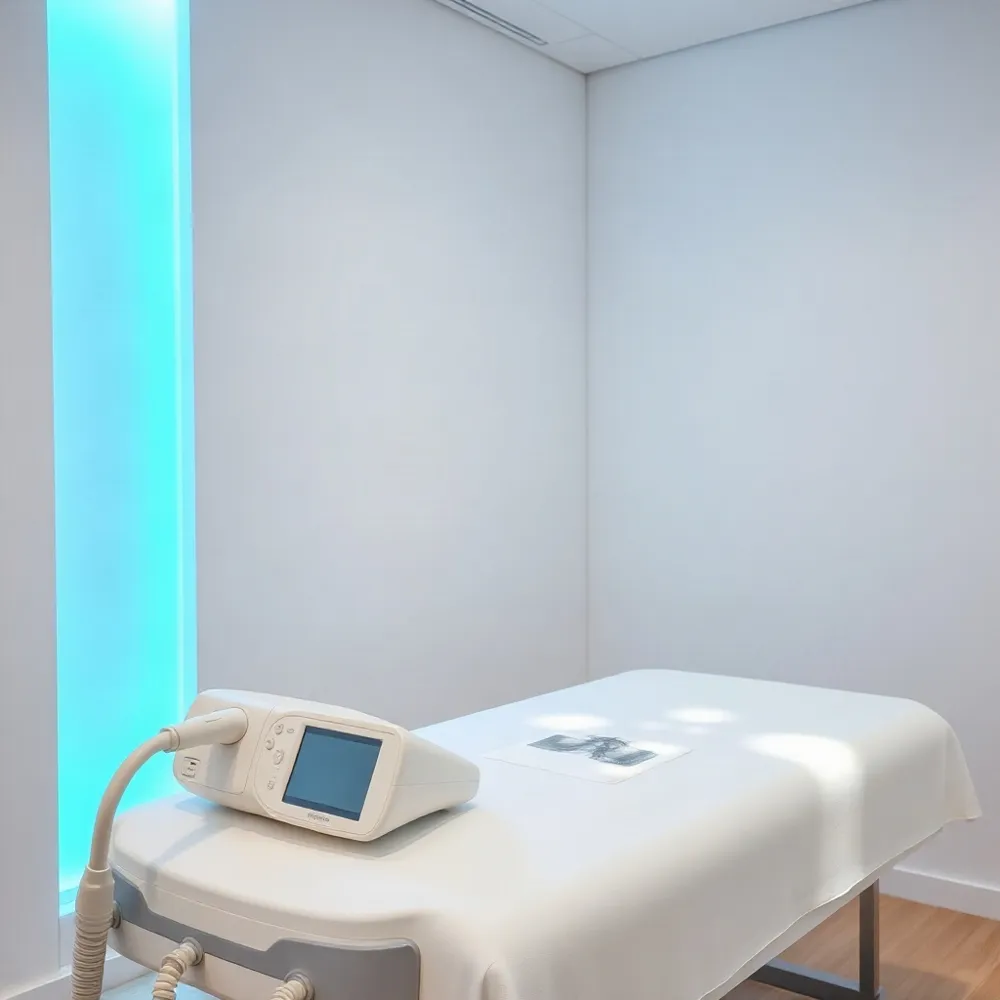 Low-intensity ultrasound delivers a fraction of the energy used in traditional imaging or high-power therapeutic devices, yet its biological effects are anything but minor. The key distinction is the intensity level: therapeutic ultrasound typically operates in the 0.5 to 3 W/cm² range, while low-intensity applications often fall below 1 W/cm². This gentler output is designed to stimulate tissue repair without generating the significant heat that can damage cells.
Researchers have studied how this lower energy influences healing at the cellular level. A 2018 review in the National Center for Biotechnology Information found that low-intensity ultrasound can accelerate soft tissue healing by promoting collagen synthesis, increasing blood flow, and reducing inflammation. These effects are particularly relevant for muscle strains and ligament sprains, where the goal is to speed recovery while minimizing scar tissue formation.
Thermal vs. Non-Thermal Effects
Ultrasound therapy splits into two primary mechanisms: thermal and non-thermal. Traditional therapeutic ultrasound often relies on thermal effects, where continuous waves generate heat deep in tissues to reduce pain and muscle spasm. Low-intensity ultrasound, in contrast, emphasizes non-thermal or mechanical effects. These include micro-massage of cells, enhanced membrane permeability, and stimulation of cellular repair pathways. For patients recovering from acute injuries, this non-thermal approach can be less irritating to already-sensitive tissues.
A 2021 review on ultrasound therapy effectiveness highlighted that non-thermal protocols are often preferred for subacute and chronic soft tissue conditions. The review noted that while thermal ultrasound can be beneficial for joint stiffness, non-thermal low-intensity applications are more commonly associated with tissue remodeling and pain reduction in ligament injuries. This distinction helps clinicians choose the right settings for each patient's specific phase of healing.
How Low-Intensity Ultrasound Works in Practice
In a clinical setting, a handheld transducer is placed on the skin over the injured area, often with a gel to ensure sound wave transmission. The therapist moves the device in slow circles to maintain even distribution. Low-intensity settings are typically applied for shorter durations, often 5 to 10 minutes per session, and may be combined with other modalities like soft tissue therapy or rehabilitative exercises. This combination is why many chiropractic offices, including West Buffalo Chiropractic, integrate ultrasound into broader treatment plans rather than using it in isolation.
A common question is whether low-intensity ultrasound produces a warming sensation. Because the power is kept low, most patients feel only a mild, soothing warmth or sometimes nothing at all. The focus is on cellular response rather than sensory feedback. That said, not all conditions respond equally. For chronic scar tissue or deep adhesions, higher-intensity thermal ultrasound might be more effective, whereas low-intensity is better suited for fresh injuries and acute inflammation.
Intensity Ranges and Clinical Decisions
The choice between low and high intensity depends on the injury stage and treatment goal. Here's a practical breakdown:
| Setting | Typical Range | Primary Use |
|---|---|---|
| Low-intensity | 0.1–1 W/cm² | Acute injuries, inflammation, cellular repair |
| Medium-intensity | 1–2 W/cm² | Subacute conditions, tissue remodeling |
| High-intensity | 2–3 W/cm² | Chronic scar tissue, deep adhesions |
Each range carries distinct biological implications. Low-intensity stimulates mitochondrial activity and protein synthesis, while higher intensities rely more on thermal effects to break down dense tissue. A skilled provider will assess factors like tissue depth, patient tolerance, and healing timeline before deciding on a protocol. For instance, a recent muscle strain may benefit from low-intensity settings, while a chronic plantar fasciitis case might require a stronger approach.
Safety Considerations and Precautions
Ultrasound is generally safe when applied by a trained professional, but certain precautions apply. Low-intensity protocols are considered low-risk, yet they should be avoided over the eyes, reproductive organs, and areas with active bleeding or infection. Pregnant women are typically advised against ultrasound over the uterus. Additionally, patients with pacemakers or certain implants should discuss risks with their provider, as sound waves can interfere with electronic devices.
Always consult a licensed practitioner before starting ultrasound therapy. While low-intensity ultrasound has a strong evidence base for soft tissue healing, individual conditions vary. A chiropractor or physical therapist can tailor the settings to your specific injury and monitor your response over multiple sessions. This personalized approach is where West Buffalo Chiropractic excels, combining ultrasound with other evidence-based treatments to address the root cause of pain rather than just symptoms.
Why Intensity Matters for Recovery
Understanding intensity isn't just technical jargon; it directly impacts how quickly you return to daily activities. Low-intensity ultrasound is often chosen for its ability to promote healing without the discomfort of stronger heat-based treatments. For many patients, this makes it a comfortable and effective option, particularly in the early stages of an injury. Whether you're dealing with a sports strain or a chronic ache, discussing intensity levels with a qualified professional ensures you get the right balance of stimulation and safety.
Healing Tissues One Layer at a Time
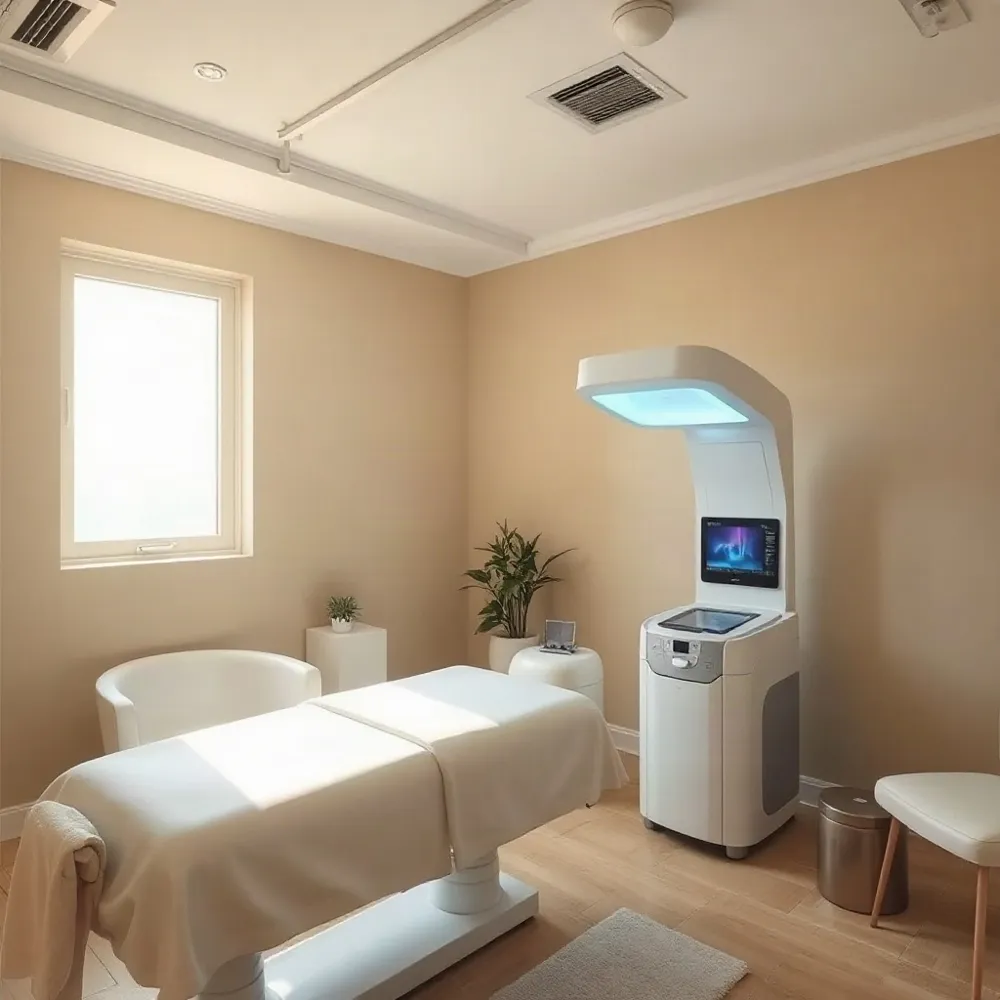 Low-intensity pulsed ultrasound (LIPUS) is moving beyond the physical therapy clinic and into everyday recovery plans. Unlike the imaging devices used for diagnostics, therapeutic ultrasound delivers gentle sound waves to damaged tissue. These waves create micro-vibrations that can promote blood flow and support cellular repair, making it an attractive option for muscle strains, ligament sprains, and other soft tissue injuries.
Clinicians have studied this approach for decades, and a growing body of research now points to measurable benefits. For example, a 2018 review in the Journal of Ultrasound in Medicine highlighted that low-intensity ultrasound can help accelerate soft tissue healing, particularly when applied early after an injury. Another 2018 analysis in BMC Musculoskeletal Disorders found that therapeutic ultrasound reduced pain and improved function in patients with musculoskeletal conditions, though the authors noted that response can vary by tissue type.
What the Research Says
The evidence supports several specific effects. One key mechanism is increased cellular activity: ultrasound waves stimulate fibroblasts, the cells that produce collagen, which is essential for rebuilding torn tendons and ligaments. This can lead to faster scar tissue remodeling and improved tissue pliability. Studies also suggest that LIPUS may enhance blood flow to the treated area, bringing oxygen and nutrients while clearing waste products.
- Accelerates the inflammatory phase of healing, reducing overall recovery time.
- Improves collagen alignment, which can strengthen the repaired tissue.
- Reduces pain and muscle spasm through thermal and non-thermal effects.
However, results are not uniform. Some trials show modest effects, and a 2019 meta-analysis in Physical Therapy concluded that while LIPUS offers benefits for certain soft tissue injuries, high-quality studies with standardized protocols are still needed. This means patients should view ultrasound as one tool among many, not a standalone cure.
How It Compares to Other Recovery Modalities
Ultrasound. Uses high-frequency sound waves to heat tissue or stimulate repair non-invasively. Best for deeper injuries where heat and blood flow are the priority.
Electrical stimulation. Delivers low-voltage current to mimic the body's natural nerve impulses, often used for muscle re-education and pain control. Lacks the thermal effect of ultrasound.
Laser therapy. Applies specific wavelengths of light to reduce inflammation and promote cellular energy. Works on a different wavelength than sound, so it can't replace ultrasound's mechanical effects.
Manual therapy. Hands-on techniques like massage and joint mobilization. Complements ultrasound well, but requires a practitioner and doesn't provide the same tissue-level stimulation.
What sets low-intensity pulsed ultrasound apart is its non-invasive nature and its ability to target deep structures without breaking the skin. For patients who want to avoid injections or surgery, it offers a low-risk entry point into recovery. The pulsed mode also minimizes heating, which means it can be used during the acute phase of injury when heat might be counterproductive.
When to Consider It (and When to Skip It)
- Acute muscle strains or ligament sprains (within the first 48 hours).
- Chronic tendinopathies like tennis elbow or Achilles tendinitis.
- Post-surgical soft tissue healing (with your physician's clearance).
- Areas that haven't responded to rest, ice, or traditional physical therapy.
Not everyone is a candidate. Ultrasound therapy is generally avoided over areas with active infection, deep vein thrombosis, or malignant tumors, and it shouldn't be used over a pregnant uterus. A thorough clinical evaluation is essential before starting any treatment plan.
At West Buffalo Chiropractic, Dr. Francisco Vaquero and his team incorporate therapeutic ultrasound into personalized recovery plans, often combining it with spinal adjustments and soft tissue therapy to address the whole person, not just the symptom. This integrated approach helps patients return to daily activities with less downtime and better long-term outcomes.
The Science Behind the Sound Waves
 Ultrasound therapy supports soft tissue repair by influencing the body's natural healing cascade. When tissues are injured, the body moves through three overlapping phases: inflammation, proliferation, and maturation. Each phase involves distinct cellular activity, and ultrasound is thought to assist in all of them, though its most noticeable effects appear during the proliferative and maturation stages.
During the proliferative phase, new blood vessels form and collagen fibers are laid down to rebuild damaged tissue. Ultrasound helps by stimulating fibroblasts, the cells responsible for producing collagen. According to a review on low intensity ultrasound for promoting soft tissue healing, this mechanical stimulation can enhance tissue repair by encouraging cellular activity that supports regeneration. The result is often faster progression from the inflammatory stage to active rebuilding.
How Sound Waves Trigger Cellular Repair
The mechanism centers on the physical effects of sound waves passing through tissue. As the ultrasound beam travels, it creates micro-vibrations and generates gentle heat. These forces can increase blood flow, relax tight muscles, and improve the delivery of oxygen and nutrients to the injured area. Over time, this reduces swelling and helps break down scar tissue, which can otherwise restrict movement and prolong recovery.
For patients at West Buffalo Chiropractic, this translates into a targeted approach for conditions like muscle strains, ligament sprains, and chronic pain. The clinic combines ultrasound with spinal adjustments and rehabilitation exercises, so the therapy works alongside structural correction rather than in isolation. This whole-person method addresses both the immediate symptoms and the underlying biomechanical issues that may have contributed to the injury.
From Inflammation to Maturation: What to Expect
In the inflammatory phase, ultrasound's gentle heating effect can help manage pain and stiffness. By the time healing reaches the maturation phase, the focus shifts to remodeling collagen so that scar tissue becomes more organized and flexible. A therapeutic ultrasound overview notes that regular sessions during these later stages can improve tissue pliability, which is why multiple treatments are usually recommended over several weeks.
Consistency matters. While a single session may provide temporary relief, the structural changes that reduce pain and improve function typically require a course of care. At West Buffalo Chiropractic, treatment plans are built around your specific injury and recovery goals, with ultrasound often paired with soft tissue therapy and rehabilitative exercises to support each phase of healing.
| Healing Phase | Primary Activity | How Ultrasound Helps |
|---|---|---|
| Inflammation | Swelling, pain, immune response | Reduces pain, improves local blood flow |
| Proliferation | New tissue and blood vessel formation | Stimulates fibroblast activity and collagen production |
| Maturation | Collagen remodeling, strength gain | Improves tissue pliability, reduces scar tissue stiffness |
Why Chiropractors Reach for Ultrasound
Ultrasound therapy works because the sound waves it produces can pass through skin and muscle to reach tissues that sit well below the surface. Those high-frequency vibrations cause microscopic mechanical pressure changes in the cells, which gently warms and agitates the area. The result is an increase in local blood flow and cellular activity in the damaged tissue, which is what makes it useful for muscle strains and ligament injuries. Research published in the National Library of Medicine describes how this mechanical stimulation promotes the healing of soft tissue injuries.
The therapy is typically applied with a handheld wand that a clinician moves over the skin, using a gel to help the sound waves travel efficiently. As the wand glides, the energy penetrates several centimeters deep, depending on the frequency selected. Lower frequencies reach deeper structures, while higher frequencies concentrate on more superficial layers. This adjustability is one reason therapeutic ultrasound is used for a range of conditions, from acute sprains to chronic pain. For a clear explanation of the mechanism, Therapeutic Ultrasound outlines how the sound waves interact with the tissue.
What the Research Shows About Healing Times
Clinical studies have examined whether ultrasound actually shortens recovery time. A review in the Journal of Ultrasound in Medicine found that low-intensity ultrasound can accelerate soft tissue healing, particularly in the early inflammatory and proliferative phases. The increased blood flow brings oxygen and nutrients to the site while helping clear waste products, which supports faster repair. Another review, Effectiveness of Ultrasound Therapy on the Management of ..., summarizes evidence that regular sessions can reduce pain and improve function in tendon and ligament injuries.
That said, results are not immediate. Most protocols call for multiple sessions over several weeks, and the therapy works best when combined with stretching, strengthening, and manual therapy. The Physiotherapy Place notes that a typical course may involve two to three treatments per week for a few weeks, depending on the severity of the injury. Patients often notice gradual improvement rather than instant relief, which is why consistent attendance matters.
Why Choose Ultrasound Over Other Treatments
Compared to more invasive options like injections or surgery, ultrasound therapy is non-invasive and has few side effects. It is also useful for patients who cannot tolerate heavy manual pressure or who are looking to avoid pain medication. The Chiropractic Ultrasound Therapy resource explains that it can be paired with chiropractic adjustments to reduce inflammation and improve joint mobility, making it a versatile addition to a recovery plan.
At West Buffalo Chiropractic, Dr. Francisco Vaquero, D.C., incorporates ultrasound into personalized treatment plans for auto injuries, sports injuries, and chronic pain. Rather than offering a one-size-fits-all approach, the clinic evaluates each patient's specific tissue injury and combines ultrasound with spinal adjustments, soft tissue therapy, and rehabilitation exercises. This whole-person strategy means the therapy is not used in isolation but as part of a coordinated effort to restore function and prevent re-injury.
| Aspect | Ultrasound Therapy | West Buffalo Chiropractic |
|---|---|---|
| Delivery | Handheld wand, gel, outpatient | Integrated with adjustments and rehab |
| Typical course | 2-3 sessions/week for weeks | Personalized frequency based on injury |
| Best for | Muscle strains, ligament sprains | Auto, sports, and chronic pain recovery |
| Pairing | Often used with stretching | Combined with soft tissue and rehab therapy |
How Often and How Long?
The number of sessions matters as much as the machine settings. A typical treatment plan for a soft tissue strain runs three to five times per week over several weeks, though the exact schedule depends on the injury's phase and severity. For acute injuries, daily or near-daily sessions in the first week are common because the therapeutic window for dampening inflammation and kick-starting tissue repair is narrow. The research supports this cadence: a 2018 systematic review in the NCBI database found that low-intensity ultrasound promotes soft tissue healing most reliably when applied at frequencies between 1 to 3 MHz, with treatments repeated regularly across the early healing stages.
Chronic conditions tell a different story. A subacute or chronic tendon issue might only need two to three visits per week, spread over six to twelve weeks, because the tissue is no longer in the acute inflammatory phase and needs time to remodel. Here, the clinic's role is to titrate the dose based on your response rather than deliver a blanket protocol. At West Buffalo Chiropractic, Dr. Francisco Vaquero builds each ultrasound session into a broader plan that pairs the therapy with soft tissue work and rehabilitative exercises, adjusting both frequency and intensity as your tissue heals. This is the same principle that clinics use to avoid overloading a healing structure while still providing enough acoustic energy to stimulate collagen production and blood flow.
For a practical breakdown, consider the following typical schedules. Note that these are general guidelines, and your specific plan should be set by a qualified practitioner:
- Acute muscle strain (grade 1-2): daily or every other day for the first week, then 3 times per week for 2-3 weeks.
- Ligament sprain (mild to moderate): 3-4 times per week for 2-4 weeks, with a focus on promoting early collagen alignment.
- Chronic tendinopathy (e.g., Achilles or patellar): 2-3 times per week for 6-12 weeks, often combined with eccentric loading.
These numbers align with what therapeutic ultrasound research reports on optimal dosage, which emphasizes that more frequent sessions in the acute phase produce better outcomes than sporadic treatment. The underlying mechanism is straightforward: each session boosts local blood flow and cellular activity, but the effect degrades within 24 to 48 hours, so consistency is the biggest predictor of success.
At West Buffalo Chiropractic, you won't be left to guess at the right visit count. After an initial assessment, the care team maps out a frequency timeline that fits your injury type, your pain level, and your healing rate, then adjusts it at each follow-up. This is a more personalized approach than the fixed packages some physical therapy chains push, where a patient might get the same three-times-per-week schedule regardless of week-over-week progress. Here, the decision to step down from three visits to one or two, or to switch from ultrasound to more active rehabilitation, is based on measurable changes in your range of motion and pain scores.
| Injury Phase | Typical Frequency | Why This Cadence | Typical Duration |
|---|---|---|---|
| Acute (0-7 days) | Daily or every other day | Dampens inflammation early | 3-5 sessions |
| Subacute (1-3 weeks) | 3 times per week | Boosts collagen organization | 6-9 sessions |
| Chronic (3+ weeks) | 2-3 times per week | Supports remodeling | 6-12+ weeks |
The table above summarizes the general arc, but the real takeaway is that frequency and duration are not one-size-fits-all. A skilled clinician will titrate both, which is exactly what you get at West Buffalo Chiropractic, where each plan is tailored to your body's response rather than to a fixed protocol.
Can You Do It at Home?
The range of home ultrasound devices can feel overwhelming, especially since many units marketed for personal use deliver far less power than professional equipment. The core difference comes down to output intensity. Most home devices top out around 2 W/cm², which is why clinics like West Buffalo Chiropractic rely on professional-grade machines that reach higher therapeutic ranges for deeper soft tissue repair.
A common mistake is assuming that any ultrasound device with a small screen or a brand name will match clinical results. In reality, a therapeutic dose depends on continuous versus pulsed modes, frequency settings, and the actual surface area of the applicator. A unit that feels convenient to use at home may not deliver enough acoustic energy to influence tissue healing, especially for chronic conditions.
What to Look For in a Home Device
Intensity. Look for adjustable intensity measured in W/cm². A device that only offers fixed output will limit your ability to treat both superficial and deep tissue. West Buffalo Chiropractic recommends matching the intensity to your pain depth, something a one-size-fits-all unit cannot do.
Frequency. Most clinical units offer 1 MHz and 3 MHz. The lower frequency penetrates deeper, while 3 MHz targets surface tissue. Home devices that only provide one frequency will not adapt to different injury types, from a ligament sprain to a muscle strain.
Timer. A built-in timer with automatic shutoff is non-negotiable for safety. Overexposure can cause discomfort or tissue damage. Professional treatments follow a timed protocol; a home unit without one makes it easy to overdo a session.
For a detailed look at how ultrasound accelerates soft tissue healing, including the difference between thermal and non-thermal effects, this review of ultrasound therapy explains the science behind the settings. Understanding these mechanisms helps you judge whether a home device is actually capable of the work.
Comparing Professional and Home Models
Professional ultrasound equipment used at West Buffalo Chiropractic operates at output levels that consumer devices rarely match. A therapeutic ultrasound session in a clinical setting typically involves a trained practitioner moving the applicator in a specific pattern to avoid standing waves, a technique that is hard to replicate at home. For a muscle strain or ligament injury, a single professional treatment often outperforms weeks of self-administered home therapy.
| Feature | Home Devices | Professional (West Buffalo Chiropractic) |
|---|---|---|
| Intensity | Up to 2 W/cm² | Higher output ranges |
| Frequencies | Often single | 1 MHz and 3 MHz |
| Applicator size | Small, fixed | Varied for coverage |
| Guidance | Self-administered | Trained clinician |
| Best for | Minor soreness | Chronic pain, auto injuries |
While a home device can complement recovery for minor muscle soreness, it is not a replacement for professional care, especially when the injury is recent or severe. If you are unsure whether your condition warrants more than self-care, a consultation with West Buffalo Chiropractic can clarify the right approach and treatment intensity.
Ultrasound as Part of a Healing Strategy
The research on therapeutic ultrasound is genuinely mixed, which is why it sparks debate in rehab circles. On the positive side, a 2018 review in PMC found that low-intensity ultrasound can promote soft tissue healing by supporting tissue repair at the cellular level. That review specifically highlighted faster resolution of muscle strains and ligament sprains when ultrasound was applied early in the healing process. But the same evidence base shows that results vary widely depending on the dose, the depth of the target tissue, and the chronicity of the injury. A chronic tendon issue that has been present for months will not respond the same way as a fresh muscle strain.
The key takeaway is that ultrasound is not a standalone cure. It works best when paired with other treatments like soft tissue therapy, spinal adjustments, and a progressive rehab program. The clinical trials that show the most benefit typically combine ultrasound with manual therapy and exercise, not use it in isolation. That is exactly how West Buffalo Chiropractic approaches it. Dr. Francisco Vaquero uses ultrasound as one component of a whole-person care plan, layering it with spinal decompression, soft tissue work, and targeted rehabilitation to address the underlying cause rather than just treating the symptom.
The Difference Between Research and Real-World Practice
In controlled lab settings, researchers can carefully control the ultrasound parameters. They set the exact frequency, intensity, and duration for each study participant. That level of control rarely translates to a busy clinic, where a therapist must adjust the treatment to the patient's specific tissue response, pain tolerance, and healing stage. This gap between research protocols and real-world application helps explain why some published studies show little effect while many patients and clinicians report meaningful improvement.
Consider how ultrasound feels during a session. The thermal effect produces a gentle warmth in deep tissues, which can increase blood flow and tissue elasticity. That warmth can make it easier to stretch tight muscles and break down scar tissue. The non-thermal effects, like acoustic streaming and cavitation, stimulate cellular activity and promote tissue regeneration. These physiological responses are well-documented in the research on low-intensity ultrasound for soft tissue healing. The question is not whether these effects occur, but whether they translate into clinically meaningful outcomes for every patient.
What to Look for in a Provider
When you are choosing a chiropractor or physical therapist for ultrasound therapy, the clinician's experience and approach matter more than the machine itself. A skilled provider knows how to adjust the ultrasound parameters for each patient and each injury. They also know when ultrasound is appropriate and when it is not. For example, ultrasound should not be used over certain areas, such as open wounds, areas with reduced blood flow, or in patients with certain medical conditions like cancer or active infection. A thorough assessment should always come first.
Experience. Look for a provider who has used therapeutic ultrasound extensively and can explain why they are choosing it for your specific condition. Ask about their success rates and how they adjust the treatment based on your response.
Integration. The best outcomes come from a provider who integrates ultrasound with other evidence-based treatments like manual therapy, exercise, and spinal adjustments. A fragmented approach that relies on a single modality is less likely to deliver lasting results.
Transparency. A good provider will be honest about what ultrasound can and cannot do. They should set realistic expectations and explain the treatment plan, including how many sessions you might need and what you should feel during and after each one.
West Buffalo Chiropractic checks all three boxes. Dr. Vaquero has years of clinical experience using ultrasound for a range of conditions, from auto injuries to chronic pain. The clinic pairs ultrasound with soft tissue therapy and rehabilitation, so you are not just getting a passive treatment. You get a plan designed to restore function and prevent future injury. The practice also offers flexible financing through CareCredit, which makes it easier to stay consistent with your care.
Ultimately, the evidence supports ultrasound as a helpful tool for promoting soft tissue healing, especially when used early and in combination with other treatments. It is not a magic wand. But when delivered by a knowledgeable provider like West Buffalo Chiropractic, it can be a valuable part of your recovery. The clinic's whole-person approach means you are not just treating the injured area; you are addressing the biomechanical and lifestyle factors that may have contributed to the injury in the first place.
| Aspect | What Research Shows | What West Buffalo Chiropractic Does |
|---|---|---|
| Evidence base | Mixed but positive for soft tissue healing | Uses evidence-informed protocols |
| Integration | Best when combined with manual therapy | Pairs with adjustments and rehab |
| Provider skill | Outcomes depend on proper dosing | Individualizes each treatment |
| Patient experience | Non-invasive and comfortable | Whole-person, patient-centered care |