Understanding the Growing Demand for Non-Invasive Spinal Care
The medical field is witnessing a significant shift toward conservative management for spinal disorders, driven by a desire to avoid the risks and complications associated with invasive surgical procedures. Among the leading contributors to disability-adjusted life years, chronic back pain has prompted both patients and providers to seek durable, non-invasive solutions Innovative Approaches for the Treatment of Spinal Disorders. This movement emphasizes addressing root mechanical causes rather than merely masking pain with medication.
At West Buffalo Chiropractic, the focus on a whole-person approach integrates non-surgical disc therapy as a fundamental component of rehabilitation. By utilizing advanced, computer-controlled systems, modern chiropractic clinics can now provide targeted, patient-specific care that was previously unavailable. These protocols allow practitioners to calibrate treatment to individual tolerances, effectively reducing the risk of discomfort often linked to traditional traction methods Effects of non-surgical decompression therapy in addition to routine ....
This focus on non-invasive technology is becoming a standard for managing complex conditions like herniated discs and sciatica. By combining these decompression techniques with soft tissue therapy and corrective rehabilitation, clinics offer patients a viable path to recovery that minimizes downtime and supports the body's natural capacity to heal.
The Mechanism Behind Non-Surgical Spinal Decompression
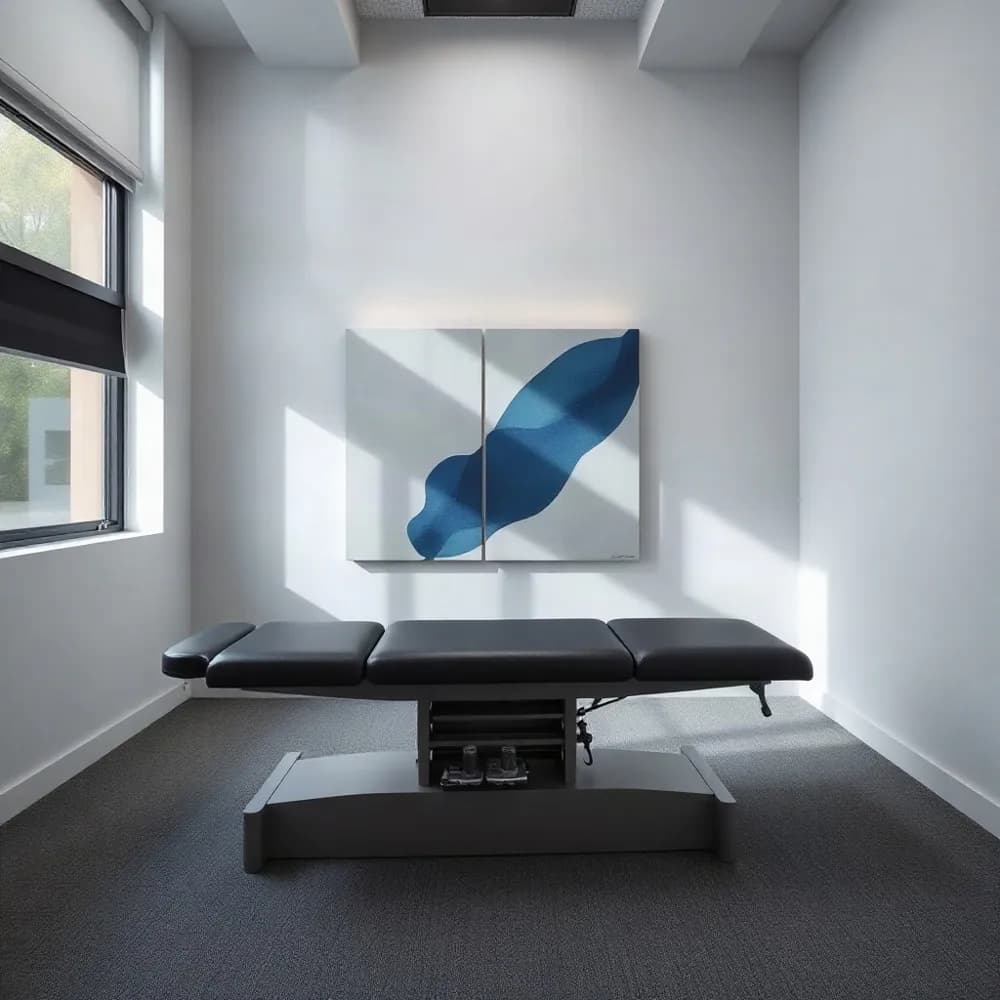
 At www.716chiropractic.com, professional care focuses on addressing the root mechanical causes of chronic pain rather than merely managing symptoms. While traditional traction relies on a constant, generalized force, non-surgical spinal decompression uses computer-controlled software to apply precise, dynamic pulling forces to specific spinal segments. This advanced methodology allows for segmental distraction, which gently stretches the spine to alleviate pressure on the neural elements and spinal discs.
The core of this process is the creation of negative intradiscal pressure within the affected segments. Research indicates that this negative pressure can assist in retracting bulging or herniated discs, thereby reducing direct pressure on the spinal nerves. By altering the position and force applied, this non-surgical spinal decompression therapy effectively creates space between the vertebrae. This vacuum effect is essential for facilitating the influx of oxygen, water, and nutrient-rich fluids into the damaged tissues, which promotes a natural healing environment.
Unlike manual traction methods that may inadvertently trigger reflexive muscle spasms, the computerized feedback mechanism monitors patient tolerance to ensure a comfortable and effective experience. This sophisticated clinical approach is a vital component of the personalized rehabilitation services at West Buffalo Chiropractic, which aims to provide safe, conservative outcomes. By supporting the body's natural remodeling processes, decompression of the lumbar spine serves as a potent intervention, often helping patients restore disc height and improve overall spinal function without the need for invasive procedures.
Proven Clinical Results and Imaging Evidence
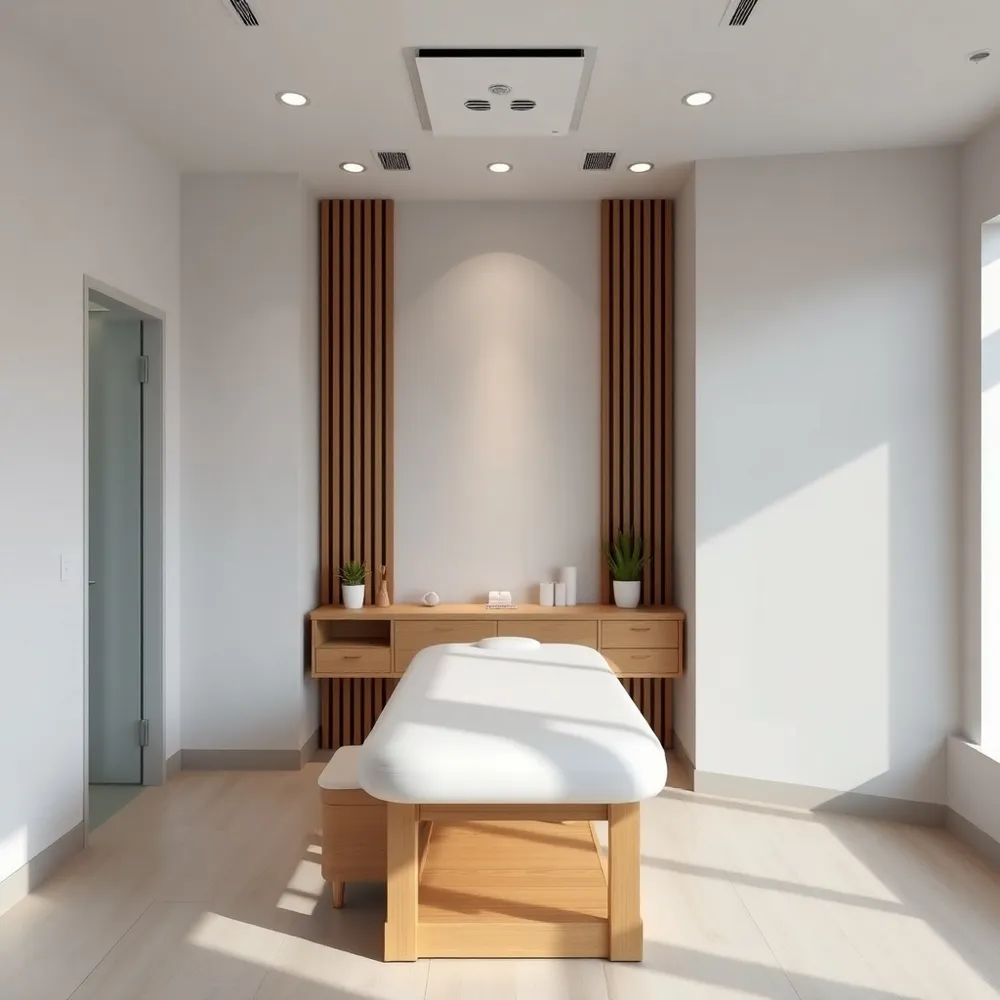 Modern therapeutic approaches have moved beyond subjective pain reporting by utilizing objective measures to validate patient progress. A 2025 case series evaluating the use of the DRX9000 device demonstrated significant improvements for patients suffering from lumbar intervertebral disc lesions. After completing 20 sessions, participants experienced an average pain reduction of 80% and a 50% improvement in disability scores. At www.716chiropractic.com, these metrics underscore why personalized plans remain central to clinical success when addressing chronic conditions.
Imaging provides the most compelling evidence of structural change. Beyond relief of symptoms, objective MRI analysis shows that non-surgical spinal decompression can lead to an average increase in disc height of 1.0 to 1.6 mm. Furthermore, studies observe an increase in canal anterior-posterior dimension by up to 2.1 mm, alongside a 77% identifiable reduction in disc herniation among participants. These physical changes are consistent with research published in Interdisciplinary Neurosurgery, which reported that non-surgical decompression therapy enabled patients with cervical disc herniation to achieve significant improvement in the extent of their herniations.
Long-term patient data further supports these interventions as a robust alternative to surgery. A four-year follow-up study noted that 91% of patients were able to resume normal daily activities, with over half reporting zero pain levels years after their initial treatment. This sustained efficacy offers a clear contrast to surgical outcomes, as research indicated in The Spine Journal confirms that failed-back surgery syndrome is a well-documented risk for many post-operative cases. Clinics like the team at www.716chiropractic.com focus on these long-term results by managing mechanical disk pathology without the inherent risks of anesthesia or permanent spinal changes.
Addressing Common Disc Conditions Conservatively
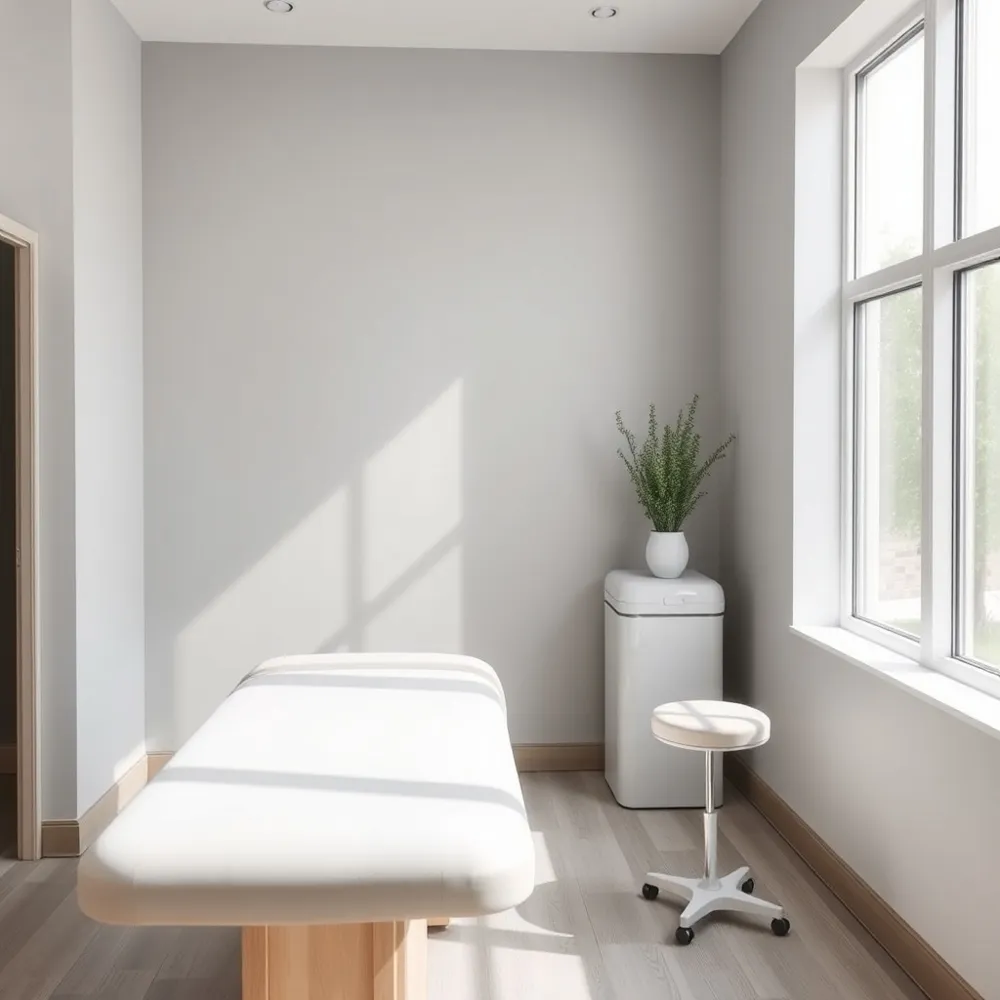 Many patients wonder if conditions such as a herniated disc or an L4-L5 disc bulge can be treated successfully without surgery. The answer is yes, as the vast majority of patients with these disc issues find significant relief through conservative, non-surgical care. At West Buffalo Chiropractic, we prioritize non-invasive approaches to restore function and alleviate pain while avoiding the surgical risks of infection or complications noted by The Cleveland Clinic. Our comprehensive treatment plans often integrate physical therapy, targeted exercises, and specialized spinal decompression to reduce pressure on the affected discs. By focusing on stabilizing the spine and addressing the root cause, most individuals are able to return to their normal daily activities successfully.
Surgery is increasingly viewed as an option of last resort, primarily because of risks like Failed Back Surgery Syndrome, which affects approximately 20.6 percent of surgical patients years after their initial procedure. While surgical intervention may be necessary for severe neurological deficits, clinical research indicates that non-surgical spinal decompression is highly effective for conditions like herniated discs, sciatica, and spinal stenosis. Studies published in Interdisciplinary Neurosurgery demonstrate that many patients who fail to see gains with standard physical therapy still experience significant structural improvement and pain reduction when using dedicated decompression programs. At West Buffalo Chiropractic, we utilize similar evidence-based protocols to ensure that patients have a viable pathway away from invasive procedures.
Safety, Comfort, and Personalized Care Plans
At www.716chiropractic.com, patient care begins with a rigorous evaluation to determine candidacy, ensuring each individual is a suitable match for spinal decompression therapy. Dr. Francisco Vaquero, D.C. reviews patient medical history, reflexes, and physical strength, often utilizing diagnostic imaging to pinpoint the exact nature of disc conditions before initiating any protocol.
For ongoing treatment, West Buffalo Chiropractic emphasizes a holistic integration of care. Patients often benefit from combining specialized decompression sessions with targeted chiropractic adjustments and soft tissue therapy to address mechanical spinal dysfunction. This multidisciplinary strategy helps minimize muscle tension and restores proper joint movement, fostering an environment where natural healing can flourish.
Is non-surgical spinal decompression therapy safe and are there side effects?
Non-surgical spinal decompression is widely considered a safe and effective conservative treatment option for managing conditions like lumbar radiculopathy per a 2022 randomized controlled trial. Clinical research indicates that patients generally tolerate the procedure well, experiencing few, if any, adverse events during or after treatment. While it is a low-risk intervention, some patients may experience mild, temporary muscle soreness or stiffness following a session as the body adjusts to the therapy. These minor sensations are typically short-lived and resolve quickly. To ensure this treatment is appropriate for your specific health history, Dr. Francisco Vaquero will conduct a thorough consultation at West Buffalo Chiropractic to discuss your comfort and address any potential side effects.
During a typical session, which usually lasts between 20 to 45 minutes, patients are secured on a computer-controlled system designed for comfort. Unlike traditional static traction, modern systems utilize an algorithm that adjusts to tolerance levels to prevent muscle spasms or unintended discomfort. This personalized approach allows for a gentle, rhythmic stretching and relaxation cycle, making the therapy a manageable and effective component of a comprehensive recovery plan.
Long-Term Spinal Health and Expectations
Spinal decompression therapy is generally not considered a permanent fix for back pain, as individual results can vary significantly based on the root cause of a patient's condition. While many patients experience meaningful relief and improved function, clinical evidence suggests that the therapy should be viewed as part of a broader, long-term management strategy rather than a guaranteed cure per 2022 research. To maintain the structural benefits gained during treatment, patients must typically commit to active rehabilitation and core stabilization exercises to strengthen the supporting musculature of the spine as noted in 2025 findings.
At www.716chiropractic.com, the focus extends beyond immediate symptom relief. By utilizing a whole-person approach, the clinical team integrates corrective physical movements and lifestyle modifications to ensure long-term stability. Because back pain often involves life-long factors such as posture and occupational stress, ongoing maintenance is necessary to prevent recurrence. Relying solely on a passive treatment without addressing personal habits rarely yields lasting results. Instead, patients benefit from a comprehensive model that combines professional adjustments with self-directed strength programs tailored to their unique biomechanics.
Getting Started with Professional Care
Taking the first step toward reclaiming your spinal mobility at www.716chiropractic.com begins with a thorough initial assessment. During this consultation, Dr. Francisco Vaquero, D.C. evaluates your medical history, performs a physical examination, and may order diagnostic imaging to confirm if you are a candidate for spinal decompression therapy.
Once a treatment plan is established, our team works with you to understand the investment involved. Because treatment duration often ranges from 15 to 30 sessions, total costs vary based on your specific condition and recovery needs. While many patients look to verify coverage through their insurance providers, our clinic offers flexible payment solutions including CareCredit to ensure that high-quality, non-surgical care remains accessible for your long-term health goals.
How can I find out the cost of non-surgical spinal decompression therapy and if it is covered by insurance?
Every insurance plan differs regarding physical medicine and chiropractic coverage, so specific benefit verification often requires a direct review of your policy information. We encourage you to contact our office directly at www.716chiropractic.com to discuss your insurance plan, review expected out-of-pocket costs, and learn how we can help you coordinate your care through manageable payment options.
A Brighter Future for Your Spinal Health
Modern medical advancements in 2024 offer more effective ways to manage spinal disorders than ever before. With innovative non-surgical approaches, patients now have access to data-backed, drug-free care that avoids the risks inherent in surgery. By prioritizing non-invasive spinal decompression, you can target the mechanical source of pain and support the body's natural ability to heal.
Taking the first step toward a pain-free life begins with an objective look at your specific condition. At West Buffalo Chiropractic, Dr. Francisco Vaquero utilizes a whole-person approach to create tailored rehabilitation plans that go beyond simple symptom management. Whether you are dealing with a herniated disc, sciatica, or chronic stiffness, professional guidance ensures your care is both safe and precise.
Do not let persistent discomfort limit your mobility any longer. Visit www.716chiropractic.com to schedule your initial consultation and discover how a customized spinal assessment can serve as the foundation for your recovery.