Understanding Sciatic Nerve Pressure
Spinal adjustments are the most recognized chiropractic technique for sciatica. They focus on restoring proper motion and alignment to the spine, which is often the underlying source of nerve compression. When a herniated disc or misaligned vertebra presses against the sciatic nerve, the result is pain, numbness, and weakness along the nerve's path.
The logic behind the adjustment is straightforward: by gently realigning the spine, a chiropractor can relieve the pressure that is irritating the nerve roots. West Buffalo Chiropractic applies this principle with a whole‑person approach, using precise, targeted adjustments to address the root cause of your discomfort rather than just masking the symptoms.
How Adjustments Work for Herniated Discs
A herniated disc occurs when the soft center of a spinal disc pushes through its outer layer, often pressing against the sciatic nerve. Chiropractic adjustments can help in two ways: they can reduce the disc protrusion by realigning the spine, and they can take pressure off the irritated nerve root. Research indicates that chiropractic care is a safe, effective treatment option for many people with sciatica caused by disc herniation.
At West Buffalo Chiropractic, spinal adjustments are combined with other techniques like spinal decompression and soft tissue therapy to create a complete treatment plan. This is more than a quick fix; it is a structured program designed to heal the underlying issue.
The Role of Misalignment
Misaligned vertebrae, or subluxations, can lead to nerve compression and inflammation. Even a small misalignment can cause significant pain if it affects the sciatic nerve. Chiropractic adjustments correct these misalignments, restoring normal function to the spine and reducing nerve irritation.
A typical adjustment uses a hands‑on, high‑velocity, low‑amplitude thrust. This is a controlled, gentle movement that improves spinal motion. What to expect from your first adjustment? Most patients experience immediate relief, though lasting results often require multiple sessions.
For those unfamiliar with the process, what to expect from your first chiropractic treatment is a helpful guide. It outlines the initial consultation, examination, and the adjustment itself.
Spinal Adjustments for Nerve Relief
 Spinal adjustments address one of the most common mechanical triggers of sciatica: a misaligned vertebra compressing or irritating the sciatic nerve root. By restoring proper joint motion and alignment, a chiropractor reduces this pressure at its source, which often translates to fewer shooting pains and less numbness down the leg. This mechanical correction is the foundation of chiropractic care for sciatica.
While several techniques exist, the most widely studied approach is the diversified technique, which uses precise, high-velocity, low-amplitude thrusts to restore normal joint mechanics. Instead of forceful twisting, many chiropractors, including Dr. Francisco Vaquero at West Buffalo Chiropractic, favor this specific, controlled thrust to target the restricted segment. The result is improved spinal mobility and reduced nerve irritation without the need for invasive procedures.
Common Adjustment Techniques for Sciatica
Chiropractors select a technique based on your specific presentation and comfort level. Here are the most common approaches used for sciatica relief:
Diversified. The classic spinal manipulation using a high-velocity, low-amplitude thrust. It restores alignment and joint mobility with a quick, controlled motion, often producing an audible "pop" as gas is released from the joint.
Flexion-distraction. A gentler, table-based technique that uses a pumping motion on the lower back. It creates space between the vertebrae and reduces disc pressure, making it effective for disc-related sciatica without forceful twisting.
Instrument-assisted. Uses a handheld device like the activator to deliver a fast, low-force impulse to the spine. This method targets specific segments with precision and is ideal for patients who prefer a lighter touch or have had recent surgery.
Research supports the effectiveness of these methods. A 2017 clinical trial published in JAMA compared chiropractic spinal manipulation to a placebo and found that the chiropractic group experienced significantly greater improvement in sciatica symptoms at 8 weeks and 12 months. While chiropractic care isn't a guaranteed cure, the evidence highlights its role as a first-line, non-surgical option.
Beyond the Adjustment: A Whole-Person Approach
Effective sciatica relief rarely stops at the adjustment itself. At West Buffalo Chiropractic, Dr. Vaquero pairs spinal adjustments with soft tissue therapy, therapeutic exercises, and lifestyle guidance to address the underlying muscle tension and postural habits that contribute to nerve irritation. This whole-person approach helps prevent the problem from returning and supports long-term spinal health.
If you're dealing with persistent sciatica, a focused course of chiropractic adjustments may offer the relief you've been seeking. Request an appointment online today and start the journey toward a pain-free life.
Flexion-Distraction for Disc Issues
Spinal adjustments are a core part of chiropractic care for sciatica, directly addressing the vertebral misalignments that can compress the sciatic nerve. By restoring proper joint motion and alignment to the lower back and pelvis, these controlled, manual manipulations help reduce nerve irritation at its source. For many patients, this means a measurable decrease in radiating leg pain and an improvement in mobility, often within a few sessions. The goal is straightforward: remove the mechanical pressure on the nerve so the body's natural healing processes can take over.
What does the research say? While individual results vary, several studies indicate that spinal manipulation can be an effective option for acute low back pain and sciatica. A widely cited 2010 review in the Annals of Internal Medicine found that spinal manipulation, along with other conservative treatments, provided better short-term pain relief and functional improvement than some standard care approaches. This supports the clinical experience of many practitioners: for a significant number of patients, a course of spinal adjustments offers meaningful, drug-free relief from sciatic symptoms. As with any treatment, the response depends on the individual's underlying cause, symptom severity, and overall health.
Techniques Used for Sciatica
Chiropractors use a range of adjustment techniques to treat sciatica, and the choice depends on your specific condition and comfort level. At West Buffalo Chiropractic, Dr. Vaquero typically employs a gentle, low-force approach that is well-tolerated by most patients. This often includes the diversified technique, which involves precise, high-velocity, low-amplitude thrusts to the affected joint to restore mobility. For patients who prefer an even more gentle method, the flexion-distraction technique is a common alternative, using a specialized table to gently stretch the spine in a rhythmic motion, which can help with disc-related sciatica.
These hands-on adjustments are frequently combined with other treatment modalities to address muscular tension and facilitate healing. Soft tissue therapy, for instance, helps release tension in the piriformis muscle, which can aggravate the sciatic nerve. Ultrasound therapy and rehabilitative exercises round out a comprehensive plan. This multi-pronged approach reflects a key difference: while some clinics may focus solely on spinal manipulation, West Buffalo Chiropractic integrates these techniques to offer a more complete path to recovery. When comparing options, patients often find that this whole-person, hands-on approach addresses not just the acute flare-up but also the underlying biomechanical issues that contribute to recurring pain.
Spinal Decompression: A Nonsurgical Option
 Spinal adjustments are among the most common chiropractic treatments for sciatica. The goal of a precise adjustment is to restore proper alignment to the vertebrae that may be compressing or irritating the sciatic nerve root. By improving spinal mechanics, adjustments can reduce nerve root irritation and help calm the radiating leg pain, numbness, and weakness that define sciatica.
At West Buffalo Chiropractic in Buffalo, NY, Dr. Francisco Vaquero, D.C., uses a range of manual and instrument-assisted adjustment techniques. These are selected based on your specific presentation, rather than a one-size-fits-all approach. Unlike a generic adjustment protocol, the plan is tailored to your pain pattern, mobility restrictions, and underlying spinal condition, which can lead to more consistent relief.
Adjustment Techniques for Sciatica
Chiropractors use several adjustment styles to address sciatic nerve compression. The choice depends on the location of the problem and your comfort level.
Diversified Technique. The most common manual adjustment method, involving a high-velocity, low-amplitude thrust to a restricted spinal joint. It is effective for restoring segmental mobility and reducing nerve root pressure.
Thompson Drop Technique. Uses a specially designed table with a drop mechanism. The table drops slightly as the thrust is applied, which requires less force and can be a good option for patients who prefer a gentler approach.
Instrument-Assisted Adjustment. Uses a handheld instrument like an activator to deliver a quick, low-force impulse to the spine. This allows for highly specific adjustments without manual twisting or popping.
While these techniques work on the spine, many patients also benefit from complementary manual therapy. Soft tissue work and myofascial release can be used to relax tight muscles in the lower back and buttocks that often contribute to sciatic pain. This combined approach addresses both the joint restriction and the surrounding muscle tension.
What to Expect During an Adjustment Session
A typical visit for sciatica at West Buffalo Chiropractic starts with a focused assessment of your pain and movement. The adjustment itself is usually quick, and many patients feel a sense of relief immediately, though some report mild soreness for a day or two. The table below summarizes the typical progression.
| Visit Component | Purpose | Example for Sciatica |
|---|---|---|
| History and exam | Identify the cause of nerve irritation | Straight leg raise test, reflexes, muscle strength |
| Adjustment | Restore joint alignment and mobility | Manual thrust or activator on lumbar spine/pelvis |
| Supportive care | Reinforce the adjustment and reduce inflammation | Soft tissue therapy, stretches, home exercises |
| Progress check | Monitor subjective and objective changes | Reassessment of pain levels and range of motion |
For many patients, a short course of care delivers the most benefit. While some notice improvement within a few sessions, sustained relief often comes from a short-term plan focused on stretching tight muscles, strengthening weak ones, and improving posture. This is where West Buffalo Chiropractic's whole-person approach stands out, combining adjustments with chiropractic treatment for sciatica that includes rehabilitation exercises and lifestyle guidance. Rather than just masking the pain, the goal is to correct the underlying dysfunctions that led to the nerve pressure in the first place.
Trigger Point Therapy for Muscle Pressure
Sciatica is a symptom, not a diagnosis. The pain that radiates from your lower back down the back of your leg typically means something is compressing or irritating the sciatic nerve. In many cases, the culprit is a disc pressing on a nerve root in the lumbar spine, or a tight piriformis muscle in the buttock that squeezes the nerve as it passes through. Identifying the true source matters, because the right treatment for a herniated disc looks different from the right treatment for a piriformis syndrome.
A common point of confusion is the overlap between true sciatica and pain referred from the piriformis muscle, sometimes called piriformis syndrome. Both can produce burning, tingling, or numbness down the leg, and both often respond to hands-on care. A thorough exam that includes orthopedic testing and range-of-motion assessment helps distinguish between them. At West Buffalo Chiropractic, Dr. Francisco Vaquero, D.C., starts with a detailed history and focused examination before recommending any treatment, so the plan targets your actual cause rather than the most common one.
Some people worry that a serious structural problem is behind their pain, and that concern is reasonable. But most cases of sciatica are mechanical in nature: a disc bulge, a narrowed spinal canal, or a tightened muscle. These respond well to conservative care. Chiropractors treat these mechanical causes with joint and soft tissue techniques, and research supports chiropractic as an effective option. For many people, the approach reduces the need for more invasive measures. The choice of technique depends on your specific exam findings, which is why a one-size-fits-all approach falls short.
What to Expect from Treatment
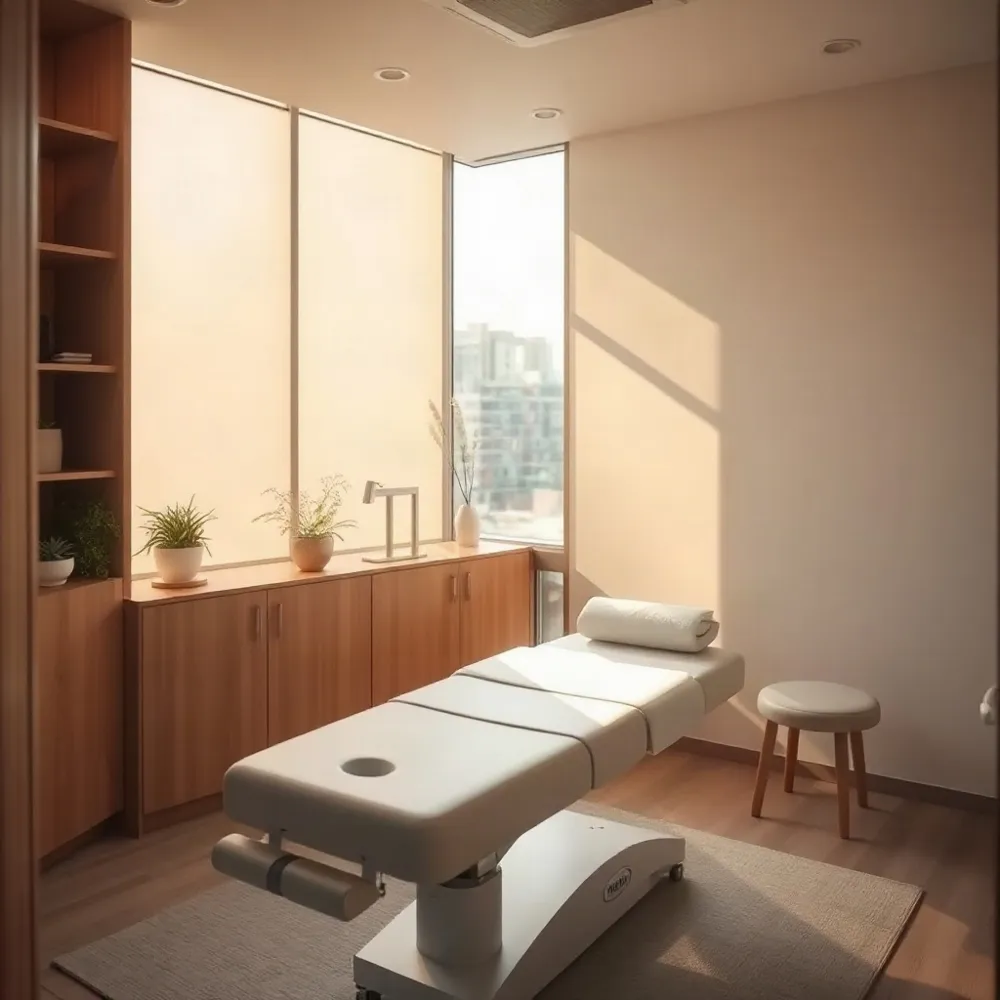 Walking into your first chiropractic appointment for sciatica can feel uncertain, especially if you have never seen a chiropractor before. The process is straightforward, starting with a detailed consultation and ending with a treatment plan matched to your specific symptoms. If you are in the Buffalo area, West Buffalo Chiropractic helps patients move through each step at a comfortable pace.
The Initial Consultation and Exam
Your first visit begins with a discussion of your medical history, the nature of your sciatica pain, what makes it worse, and any prior treatments you have tried. The chiropractor then performs a focused physical exam, checking your posture, range of motion, and nerve function. This evaluation identifies which parts of your lower back and leg are contributing to the nerve compression.
Depending on your presentation, additional testing such as X-rays may be recommended to rule out other causes. Diagnostic imaging helps the chiropractor decide whether chiropractic care is appropriate or whether you need a referral. The goal is to confirm whether your nerve pain originates from a disc, a joint, or a muscle before any treatment begins.
Common Treatment Approaches
Once the exam is complete, the chiropractor will explain the findings and propose a treatment plan. Several techniques are commonly used to relieve sciatica pain. Manual adjustments and spinal manipulation aim to restore proper joint motion, while decompression and soft tissue therapy target the muscle and nerve irritation. Exercise and stretching are often included to support long-term recovery.
The exact approach depends on your diagnosis and comfort level. Some patients prefer a gentle, low-force technique, while others respond well to more direct adjustments. The chiropractor will discuss the options with you so you understand what will happen during each session and why.
Spinal adjustment. A controlled, high-speed thrust that helps align the spine and reduce nerve irritation.
Spinal decompression. A gentle stretching method that relieves pressure on the spinal discs.
Soft tissue therapy. Massage and trigger-point work that relaxes tight muscles around the nerve.
Rehabilitation. Targeted exercises that strengthen the core and stabilize the spine.
Research published in the National Library of Medicine shows that chiropractic adjustments can effectively reduce nerve pain intensity. Many patients in Buffalo find that a combination of manual techniques and at-home care produces the fastest relief.
How Many Visits Will You Need?
There is no single answer because healing time depends on the cause and duration of your symptoms. Some patients notice improvement after a few visits, while others need several weeks of care for lasting results. The chiropractor will set realistic expectations and adjust the plan based on your progress.
What matters is consistency. Missing appointments or skipping prescribed exercises can slow your recovery. Communicating openly about what you feel during each session helps the chiropractor fine-tune the treatment.
At West Buffalo Chiropractic, the emphasis is on whole-person care. The clinic combines spinal adjustments, decompression, and rehab exercises to address the root cause of your pain. For those concerned about cost, flexible financing through CareCredit is available.
| Technique | Purpose | What to Expect |
|---|---|---|
| Spinal adjustment | Restore joint motion | Brief, controlled thrust |
| Decompression | Relieve disc pressure | Gentle, machine-assisted stretch |
| Soft tissue therapy | Relax tight muscles | Firm, targeted massage |
| Rehabilitation | Stabilize the spine | Guided at-home exercises |
Discovering Lasting Relief
Mild to moderate sciatica often responds well to consistent stretching and strengthening. Gentle movement improves blood flow to the irritated nerve, reduces muscle spasm, and takes pressure off the nerve root. A 2017 clinical practice guideline from the American College of Physicians recommends non-drug treatments, including exercise therapy, as a first-line approach for low back pain. The key is to perform each movement slowly, stay within a pain-free range, and stop if you feel sharp or shooting pain down the leg.
Aim to stretch daily, holding each position for 20 to 30 seconds and repeating 2 to 3 times per side. Breathe deeply throughout, and never force a stretch. If a particular movement worsens your symptoms, skip it and focus on the ones that feel therapeutic. For many people, a combination of the following exercises forms a sustainable home routine that complements professional care.
Knee-to-Chest Stretch
This gentle stretch targets the lower back and glutes, helping to relieve pressure on the sciatic nerve. Lie on your back with both knees bent and feet flat on the floor. Gently pull one knee toward your chest, keeping the other foot on the floor. Hold for 20 to 30 seconds, then switch sides. For a deeper stretch, you can gently pull the knee across your body toward the opposite shoulder.
Piriformis Stretch
The piriformis muscle sits deep in the buttock and can become tight, contributing to sciatic pain by pressing on the nerve as it passes nearby. To stretch it, lie on your back with both knees bent. Cross the ankle of the affected leg over the opposite knee, then gently pull the thigh of the bottom leg toward your chest. You should feel a stretch in the buttock of the crossed leg. Hold for 20 to 30 seconds and repeat on the other side.
Child's Pose
Child's pose is a resting posture that gently stretches the lower back, hips, and thighs. Start on your hands and knees, then sit back onto your heels while reaching your arms forward on the floor. Let your chest sink toward the floor and relax your forehead on the mat. If this is too intense, place a cushion under your chest or extend your arms slightly wider. Breathe deeply and hold for 30 seconds to a minute.
Seated Spinal Twist
Seated spinal twists help mobilize the spine and stretch the glutes, which can ease nerve irritation. Sit on the floor with both legs extended. Bend your right knee and place your right foot flat on the floor on the outside of your left knee. Place your left elbow on the outside of your right knee and gently twist your torso to the right. Keep your spine tall and hold for 20 to 30 seconds, then switch sides. Avoid forcing the twist if it aggravates your symptoms.
Cat-Camel Stretch
The cat-camel (or cat-cow) is a gentle spinal mobility exercise that can help relieve stiffness. Start on your hands and knees with your spine in a neutral position. Inhale as you arch your back, dropping your belly toward the floor and lifting your chest and tailbone. Exhale as you round your back, tucking your chin toward your chest and pressing your spine toward the ceiling. Move slowly with your breath, repeating for 8 to 10 repetitions. This exercise helps maintain spinal flexibility without directly compressing the nerve.
When to Seek Chiropractic Help
While home exercises can be very helpful, they have limits. If your pain persists for more than a few weeks, worsens, or is accompanied by numbness, weakness, or bladder or bowel changes, it's time to see a professional. A chiropractor can assess your condition, identify the root cause of your sciatica, and create a personalized treatment plan. This plan may include spinal adjustments, soft tissue therapy, and targeted rehabilitation exercises, all of which are designed to reduce nerve irritation and restore normal function.
At West Buffalo Chiropractic in Buffalo, NY, the team focuses on whole-body, nonsurgical care for sciatica, sports injuries, and chronic pain. Rather than guessing at stretches on your own, you get a specific home exercise program tailored to your symptoms and goals, delivered alongside professional treatment. This combination helps you recover faster and reduce the risk of future flare-ups.